
Comprehensive Tips For Handling A Gun Safely
February 4, 2025 · Embracing Responsible Gun Ownership / Firearm Safety & Education / Shooting Skills & Best Practices
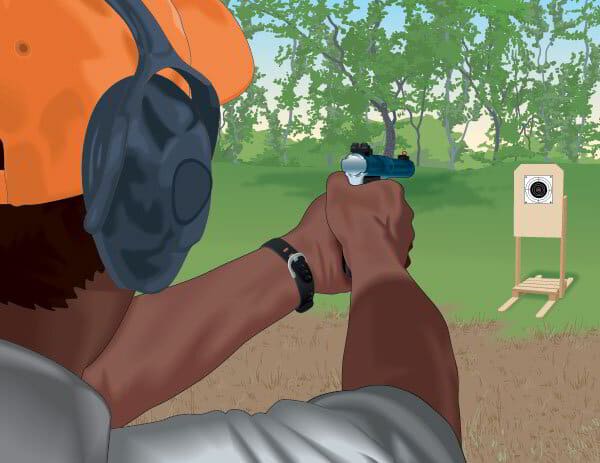
Navigating the world of firearms can be daunting, especially for first-time users eager to learn
how to handle a weapon with the utmost safety and respect. Understanding the comprehensive
tips for handling a gun safely for first-time users is not just essential for personal safety; it also
plays a vital role in fostering a culture of responsible gun ownership within our communities.
With millions of Americans lawfully using firearms for sport, hunting, and self-defense, proper
education and training have never been more critical. This blog post will guide you through the
fundamental principles of firearm safety, offering valuable insights that empower you to
approach gun handling with confidence and caution. Whether you are considering your first
firearm purchase or looking to enhance your existing skills, these tips will serve as a crucial
foundation for safe and responsible ownership.
Understanding the Importance of Gun Safety
In today’s world, the ability to handle a firearm safely is a critical skill—especially for first-time
users. Gun safety is not just about preventing accidents; it's about fostering a culture of
responsibility and respect for the Second Amendment. A fundamental understanding of safety
measures can significantly reduce the risk of firearm-related incidents and promote a safer
community.
Fundamental Safety Rules for Firearm Handling
Before diving into the comprehensive tips for handling a gun safely for first-time users, it’s
essential to familiarize yourself with the basic safety rules. These rules form the backbone of
responsible gun ownership and should always be observed.
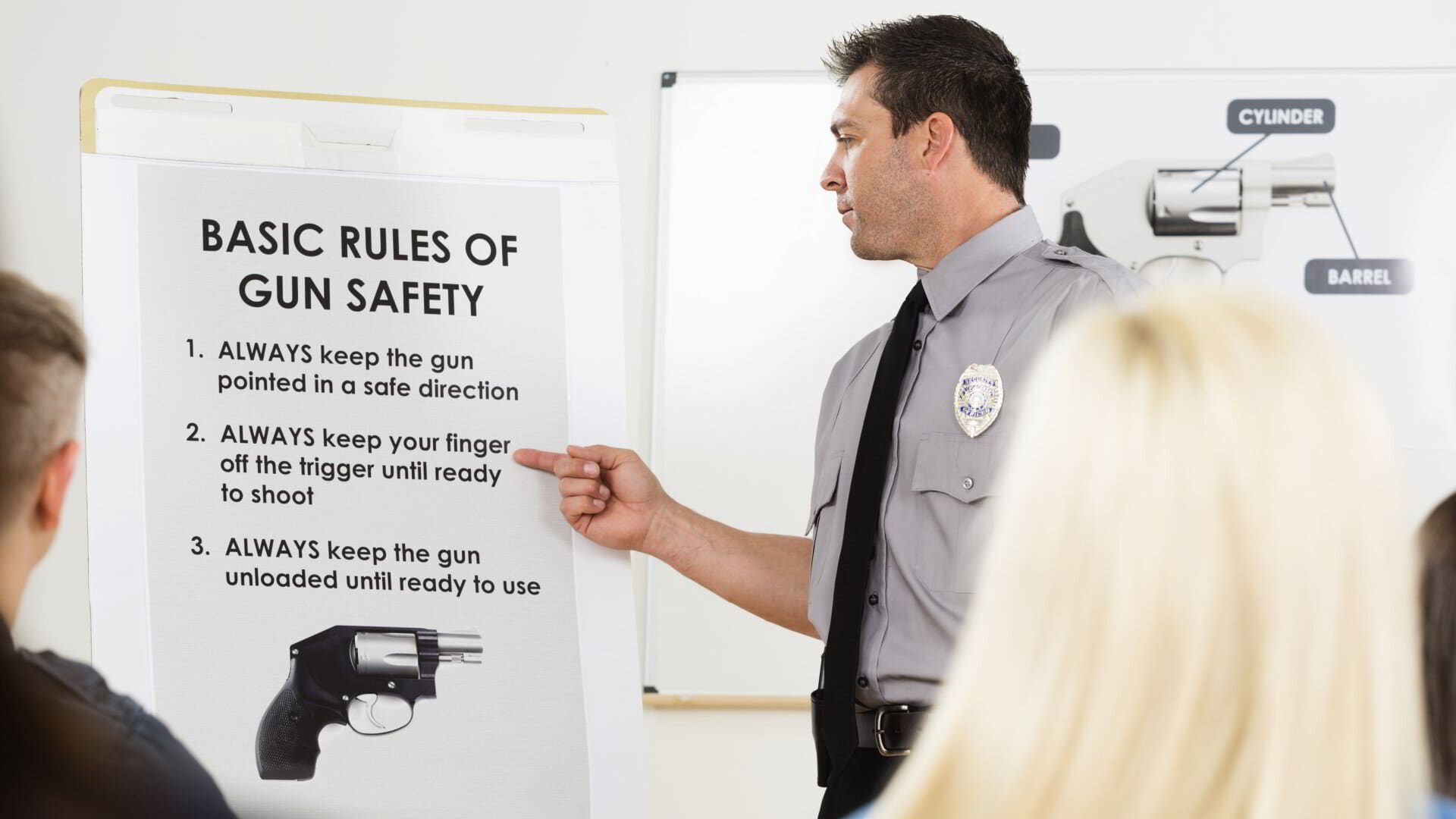
- Always treat every gun as if it is loaded: This mindset prevents complacency and
ensures that you handle each firearm with care.
- Keep the muzzle pointed in a safe direction: This minimizes the risk of accidental
discharge harming someone or damaging property.
- Be aware of your target and what is beyond it: Knowing your surrounding area can
prevent unintended injuries to bystanders.
- Ensure your finger is off the trigger until you are ready to shoot: This simple habit
can prevent an accidental discharge.
Comprehensive Tips for Handling a Gun Safely for First-Time Users
For those new to firearms, understanding how to handle a gun safely is vital. Here are several
comprehensive tips specifically designed for first-time users:
- Familiarize yourself with different types of firearms: Understanding the various
categories (handguns, rifles, shotguns) will help you make an informed decision on which
to choose.
- Learn the basic components of a gun: Knowing parts such as the trigger, safety, and
magazine will enhance your confidence and competence in handling firearms.
- Practice safe loading and unloading procedures: Always abide by the manufacturer’s
instructions when loading and unloading your gun to ensure you do it correctly.
- Understand and use safety mechanisms effectively: Take the time to learn how to
operate the safety features of your firearm.
Safe Shooting Practices for Beginners
When it comes to shooting, adhering to safe practices is crucial for both the user and those
nearby. Here are some tips to keep in mind:
- Proper stance and grip: Ensure you have a stable stance and a firm grip on the firearm
to control recoil effectively.
- Eye and ear protection essentials: Always wear safety glasses and hearing protection
to guard against potential injuries.
- Importance of breathing and trigger control: Focus on relaxing your breath to stabilize
your aim, and practice squeezing the trigger gently to avoid jerking.
By implementing these comprehensive tips for handling a gun safely for first-time users, you will
not only enhance your skills but also contribute to a culture of responsible gun ownership in you
r community.
For further information and resources on firearm safety, consider visiting the National Rifle
Association at nraila.org.

Awareness and Preparedness
Being aware and prepared is essential for anyone handling a firearm, especially first-time users.
A thorough understanding of your surroundings, the legal landscape, and personal
preparedness can significantly enhance safety and confidence in your abilities.
Knowing Your Environment
When handling a firearm, it’s crucial to have a good understanding of your surroundings. Here
are a few key points to consider:
- Identify safe shooting areas: Always choose a designated shooting range or a permitted
area for practice. Avoid any place that may endanger others.
- Recognize potential hazards: Familiarize yourself with what’s around you—like
buildings, roads, or people. Understanding your environment enhances your ability to
make safe choices when shooting.
- Stay alert to changes: Changes in environment, such as weather or presence of people,
can alter safety conditions. Always be vigilant.
Understanding Local Laws and Regulations
Each state has its own laws regarding firearms, and being informed can keep you out of legal
trouble. Here are some tips to navigate this aspect:
- Research your state's laws: Understand regulations on open carry, concealed carry, and
transportation of firearms.
- Know the age restrictions: Different states have different laws on the minimum age for
owning or using a firearm.
- Follow range rules: If practicing at a shooting range, adhere strictly to their rules and
guidelines.
The Value of Training and Education
Education and hands-on training cannot be overstated when it comes to safe firearm handling.
Here’s why:
- Seek professional training: Consider enrolling in a firearms safety course at a local
academy or through your community college. Professional instructors can provide
invaluable insights and demonstrations.
- Practice repeatedly: Handling a firearm in a controlled environment will build your
confidence and develop muscle memory, which is crucial for safe operation.
- Stay updated on safety practices: Firearm safety is an evolving field, so staying
informed about new techniques and guidelines is imperative for any gun owner.
By embracing these comprehensive tips for handling a gun safely for first-time users, you will
cultivate a mindset of safety and responsibility. Remember, the key to firearm safety lies in
awareness, education, and ongoing practice.
For further details on laws and regulations, visit the Bureau of Alcohol, Tobacco, Firearms, and
Explosives at atf.gov.

Cleaning and Maintenance for Safety
Proper maintenance of your firearm is essential not only for ensuring its longevity but also for
ensuring safety during handling and operation. Neglecting to clean and maintain a firearm can
lead to malfunctions, which can pose a serious risk. Here’s a closer look at how to effectively
clean and maintain your gun.
Importance of Regular Firearm Maintenance
Understanding why maintenance is critical can reinforce the importance of a regular cleaning
schedule. Consider the following points:
- Prevents malfunctions: Dirt, debris, and residue can build up and cause your firearm to
jam or misfire, leading to dangerous situations.
- Enhances accuracy: A clean gun operates more smoothly and can improve your
shooting performance significantly.
- Extends lifespan: Regular maintenance helps keep your firearm in optimal condition,
extending its useful life.
Basic Cleaning Procedures for Your Firearm
Here are some comprehensive tips for handling a gun safely for first-time users, specifically
focused on cleaning and maintenance:
- Gather necessary tools: Invest in a proper cleaning kit that includes brushes, patches,
solvent, and lubricant specific to your firearm type.
- Clear the firearm: Always ensure the gun is unloaded before cleaning. Double-check that
there is no ammunition in the chamber or magazine.
- Disassemble the firearm: Follow the manufacturer's instructions to safely disassemble
your firearm for thorough cleaning.
- Clean each component: Use appropriate cleaning solutions and tools to clean the barrel,
slide, and other parts, removing any residue or dirt.
- Lubricate moving parts: After cleaning, apply the recommended lubricant to moving
parts to ensure smooth operation.
Storing Your Firearm Safely When Not in Use
Proper storage of your firearm is just as crucial as cleaning and maintenance. Here are some
key considerations:
- Use a secure gun safe: Investing in a quality gun safe prevents unauthorized access and
protects your firearm from theft.
- Store ammunition separately: Keep ammunition in a different location from the firearm,
ensuring that it is locked away as well.
- Consider environmental factors: Store your firearm in a climate-controlled environment
to prevent rust and degradation due to humidity and temperature changes.
By following these cleaning and maintenance practices, first-time users will not only ensure that
their firearm is in good working condition but also contribute to a safe shooting experience.
Ongoing attention to maintenance is a cornerstone of responsible gun ownership.
For more details on firearm storage laws and best practices, you can visit the National Shooting
Sports Foundation at nssf.org.
Conclusion: Embracing a Lifelong Commitment to Gun Safety
As we've explored, handling a firearm requires diligence, respect, and a commitment to safety.
For first-time users, this commitment is particularly crucial in fostering a culture of responsible
gun ownership. Embracing comprehensive tips for handling a gun safely for first-time users not
only benefits the individual but also contributes to the broader community by promoting safe
practices and reducing accidents.
Continuous Learning and Practice
Gun safety is not a one-time lesson but a lifelong journey that involves continuous education
and practice. Here are some steps to consider for ongoing improvement:
- Attend advanced training courses: As you become more comfortable, look for
advanced classes that focus on specific skills, such as tactical shooting, self-defense, or
competitive shooting.
- Stay informed about new guidelines: Firearm laws and safety guidelines can evolve.
Regularly check reputable resources and organizations for updates to stay compliant and
informed.
- Engage with the gun community: Attend local firearm workshops, exhibitions, and
safety seminars. Networking with experienced gun owners can provide valuable insights
and foster friendships.
Encouraging Others to Prioritize Safety
As you continue your journey in responsible gun ownership, consider sharing your knowledge
with others. Here’s how you can help instill safe practices in your community:
- Lead by example: Demonstrate safe handling and storage practices with your own
firearms, setting a standard for others to follow.
- Offer to mentor beginners: If you have friends or family members interested in firearms,
consider offering to mentor them through a safety course or practice sessions.
- Support local gun safety programs: Get involved in or donate to local organizations
that focus on educating the public about firearm safety.
By adopting these principles and fostering a commitment to education and safety, first-time
users can enhance their skills and knowledge while promoting responsible firearm ownership in
their communities. Remember, safety is a shared responsibility, and every individual can make a
difference.
For additional resources on safe practices and training opportunities, visit the United States
Concealed Carry Association at uscca.com.

Final Thoughts on Safe Firearm Handling
As we conclude our discussion on comprehensive tips for handling a gun safely for first-time
users, it’s essential to recognize that safety is not just a set of rules to follow—it’s a mindset that
must be cultivated. Being a responsible gun owner involves an ongoing commitment to safety,
education, and preparedness.
Prioritize Safety in Every Aspect
When handling firearms, always maintain a focus on safety at all times. Here’s how to reinforce
this principle:
- Create and follow a personal safety checklist: Before handling a firearm, run through a
personal checklist that includes all safety rules and procedures.
- Reflect on experiences: After practice sessions, take time to reflect on what was learned
and identify areas for improvement.
- Stay humble and open-minded: Recognize that there is always more to learn about safe
firearm handling, and be open to feedback from more experienced shooters.
Engaging in the Firearm Community
Joining a community of responsible gun owners can enrich your experience. Here are some
benefits of being active in such communities:
- Sharing knowledge: Engaging with others allows you to share insights and learn new
techniques.
- Networking opportunities: Establishing connections can lead to valuable
recommendations for training and resources.
- Encouraging accountability: Being part of a community can motivate you to adhere to
safety practices far more effectively than going it alone.
Utilize Resources for Continued Learning
The journey of firearm safety education is ongoing. Utilizing available resources can help ensure
you stay informed and aware.
- Read books and articles: There are numerous publications focused on gun safety. Look
for those authored by recognized experts in the field.
- Subscribe to reputable forums and blogs: Staying engaged online with reliable
sources often leads to discovering tips, updates, and discussions around current best
practices.
- Attend seminars and workshops: Investing time in these educational settings can
enhance your understanding of various aspects of firearms and safety protocols.
Ultimately, embracing these comprehensive tips for handling a gun safely for first-time users is
about more than just understanding the mechanics—it's about fostering a culture of
responsibility and affection for firearms. By committing to safety and ongoing education, you
become part of a community dedicated to responsible gun ownership.
For more in-depth training resources, consider visiting the National Shooting Sports Foundation
at nssf.org.

Resources for Continuous Learning in Gun Safety
One of the most significant steps a first-time gun user can take is to engage with resources that
promote safe firearm handling and education. The landscape of gun ownership is ever-evolving,
with new safety practices and technologies emerging regularly. By leveraging various resources,
you can enhance your skills and ensure that you are adhering to the latest safety protocols.
Books and Literature
Reading books authored by experts in firearm safety provides foundational knowledge and
complex insights that can benefit both novices and experienced individuals. Consider these
suggestions:
- "The Basics of Pistol Shooting": This book covers essential handgun safety and
shooting techniques.
- "Gun Safety in the Home": A resource focused on storing firearms safely while
addressing common family concerns.
- "The Complete Guide to Gunsmithing": Understand firearm mechanics and
maintenance as a key part of safe handling.
Online Courses and Tutorials
The internet offers a plethora of online courses and video tutorials that allow you to learn at your
own pace. Here are some recommended platforms:
- NRA Online Training: Offers various courses on firearm safety and storage.
- The Truth About Guns YouTube Channel: Provides engaging video content focused on
best practices for gun handling and safety.
- Udemy: Look for courses on shooting techniques and responsible gun ownership that are
well-rated by users.
Joining Local and National Organizations
Being part of firearm safety organizations can connect you with a wealth of knowledge and
community support. Engage with groups such as:
- The National Rifle Association (NRA): Offers training programs and extensive
resources on safe firearm practices.
- The National Shooting Sports Foundation (NSSF): Provides various educational
resources focused on safety and responsible gun ownership.
- Women’s Shooting Sports Foundation: Aimed at empowering women to learn about
firearm safety, shooting sports, and responsible ownership.
Online Forums and Communities
Participating in forums can provide you with real-time advice and shared experiences. Look for
communities that focus on safe firearm practices, such as:
- The High Road Forum: A comprehensive discussion platform for firearm enthusiasts with
sections dedicated to safety education.
- Arfcom (AR-15.com): Though primarily focused on AR-15 rifles, this forum provides a
wealth of information on safe firearm handling practices.
By utilizing these resources and engaging with the community, you can stay informed about
comprehensive tips for handling a gun safely for first-time users. Continuous education and
community involvement are vital for evolving your skills and ensuring that your approach to
firearm ownership remains responsible.
For a wealth of knowledge on firearm safety, consider visiting the NRA website at nra.org.
Key Takeaways for First-Time Users
Navigating the world of firearm ownership can be daunting for first-time users, but by
understanding and implementing comprehensive tips for handling a gun safely, you can build a
strong foundation of knowledge and confidence. Here are some key takeaways that
encapsulate what you’ve learned throughout this guide.
Establish Strong Safety Habits
Safety should always be your top priority when handling firearms. By establishing strong habits
early on, you can minimize risks. Remember these core safety principles:
- Always Treat Every Gun as Loaded: This mindset keeps you vigilant and avoids
careless mistakes.
- Maintain Control of the Muzzle: Always point the firearm in a safe direction, even when
you believe it to be unloaded.
- Educate Your Inner Circle: Encourage family and friends to understand firearm safety to
create a safer environment.
Develop Knowledge and Skills
Understanding the mechanics of firearms and honing your skills will not only enhance your
proficiency but also bolster your confidence. Consider the following:
- Engage in Continuous Learning: Regularly update your knowledge through courses,
books, and educational content.
- Practice Frequently: Regular practice at shooting ranges is essential to maintain and
improve your handling abilities.
- Participate in Community Events: Join local organizations or participate in safety
events to stay connected and informed.
Utilize Resources Wisely
A wealth of resources is available to assist you in your journey towards safe firearm handling.
Here’s how to make the most of them:
- Leverage Online Learning Platforms: Websites offering courses on firearm safety can
provide structured education tailored to beginners.
- Read Industry Literature: Books and articles from reputable sources can deepen your
understanding of not only safety but also the ethical aspects of gun ownership.
- Network with Experts: Engaging with experienced firearm owners can provide
mentorship opportunities and valuable insights.
Commit to Responsible Ownership
As a first-time user, you must recognize that owning a firearm comes with significant
responsibility. Here are some commitments to make:
- Prioritize Safe Storage: Ensure your firearms are stored properly, such as in a secure
safe, to prevent unauthorized access.
- Stay Informed about Legislation: Gun laws can change; staying aware of local
legislation ensures that you remain compliant.
- Promote Safety Awareness: Share your knowledge about gun safety within your
community, helping others understand the importance of responsible gun ownership.
By internalizing these takeaways and continually striving for safe practices, you will embody the
principles of responsible firearm handling. Remember that you are not only protecting yourself
but also contributing to a safer community.
For additional insights and guidelines on safe gun ownership, visit the website of the National
Rifle Association at nra.org.
What is the most important rule of gun safety?
The most important rule of gun safety is to always treat every firearm as if it is loaded. This
mindset ensures that you handle guns with the utmost care and prevent negligent discharges,
which can lead to accidents.
How can I find a reputable firearms training course?
To find a reputable firearms training course, start by checking with local shooting ranges, gun
shops, or firearms training academies. You can also look for organizations like the National Rifle
Association (NRA) or the United States Concealed Carry Association (USCCA), as they often
provide lists of certified instructors and training programs in your area.
What are the best practices for safely storing a firearm at home?
The best practices for safely storing a firearm at home include using a locked gun safe or
secure cabinet to prevent unauthorized access. Additionally, it is advisable to store ammunition
separately from the firearm and to keep the storage area secure and inaccessible to children or
visitors.
How can I ensure I use the correct ammunition for my firearm?
To ensure you are using the correct ammunition for your firearm, always refer to the owner's
manual provided by the manufacturer or check the markings on the barrel of the gun. Using the
wrong caliber or type of ammunition can cause serious malfunctions that jeopardize your safety.
What should I do if I see someone handling a gun unsafely?
If you witness someone handling a gun unsafely, prioritize your safety first and then politely
address the issue if you feel safe doing so. If the situation appears dangerous, it is best to alert
the authorities or the range operator immediately, as they are trained to handle such
circumstances appropriately.
Tags: Safe Firearm Handling, Gun Safety Guidelines, Responsible Firearm Use
Latest Blog & Articles
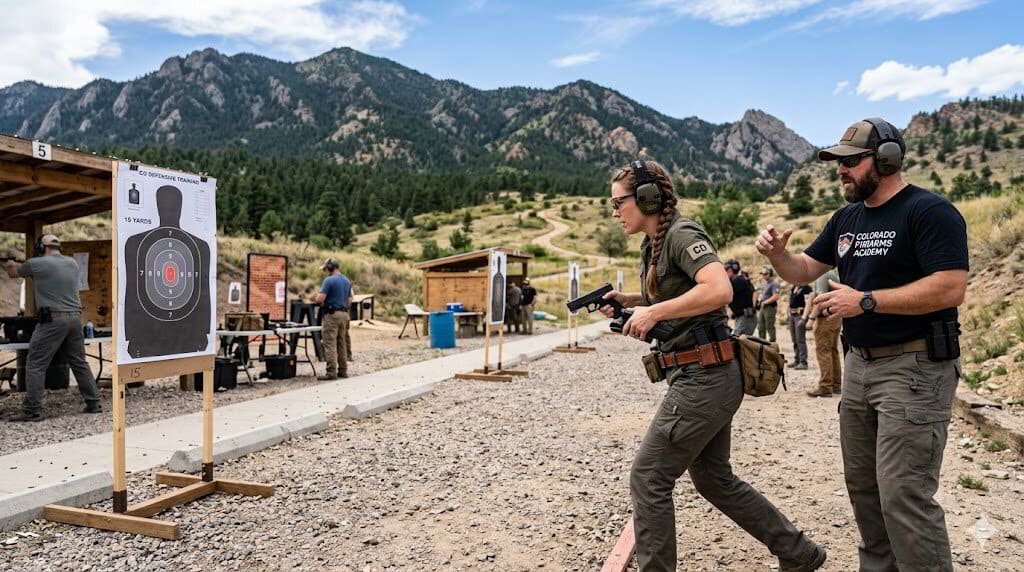
The Ultimate Guide to Defensive Handgun Training in Colorado
In an increasingly uncertain world, mastering defensive handgun training is essential for responsible gun ownership and personal safety. Co…
Read more →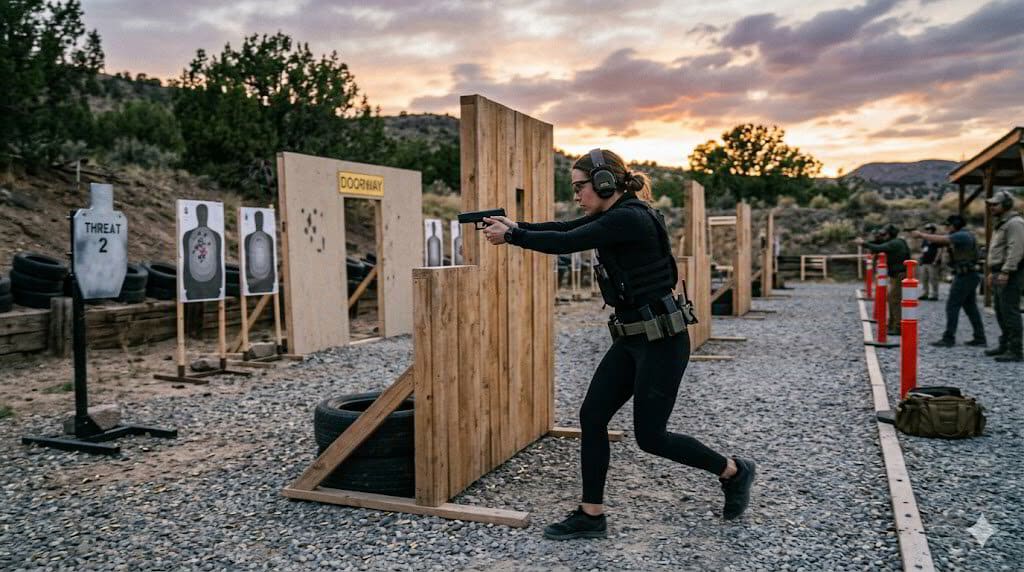
Best Practices for Defensive Handgun Training: A Comprehensive Guide
In a world where personal safety is increasingly vital, mastering defensive handgun training is essential for anyone considering firearm ow…
Read more →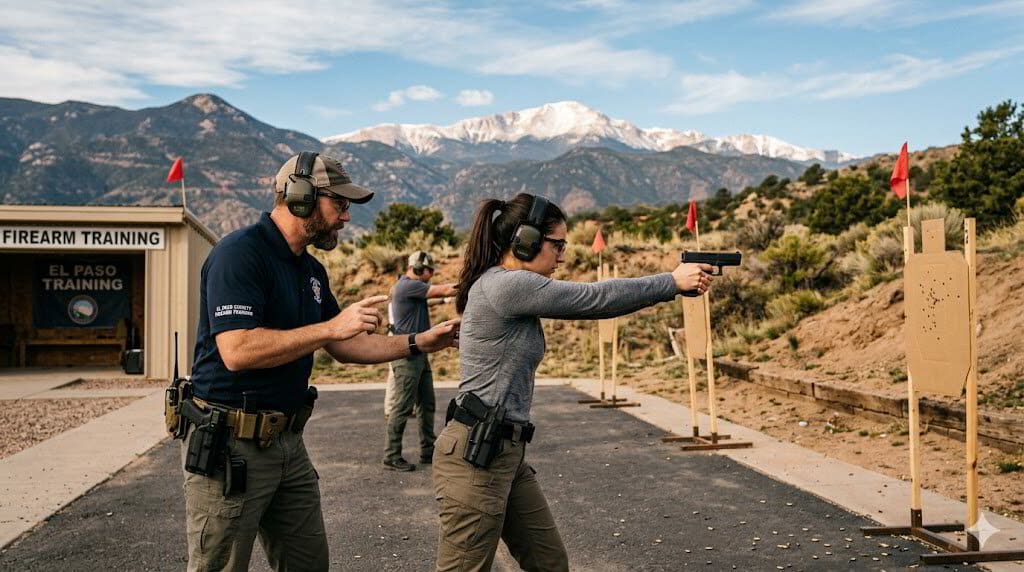
The Ultimate Guide to Firearm Training Courses in El Paso County, Colorado
In an age where firearm safety and education are paramount, Colorado Boots is proud to provide the definitive guide to firearm training cou…
Read more →