
Choosing the Right First Time Firearm Class in Colorado: A Comprehensive Comparison
June 9, 2026 · Firearm Training / Safety & Education / Personal Protection
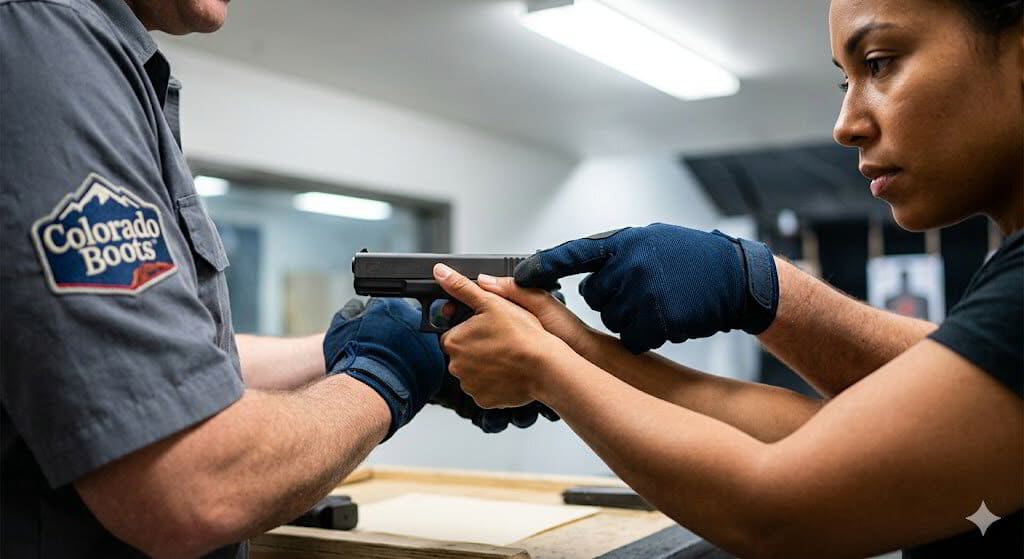
Introduction
Embarking on your firearms education journey represents a significant step toward personal responsibility, safety awareness, and potentially self-defense preparedness. For first-time gun owners and those considering firearm ownership in Colorado, selecting the appropriate training program can feel overwhelming given the numerous options available throughout the state.
Proper firearm education extends far beyond basic safety protocols—it encompasses legal knowledge, practical handling skills, marksmanship fundamentals, and the development of sound judgment in firearm-related decisions. Colorado's diverse landscape of firearms training opportunities includes everything from basic safety courses designed for complete beginners to specialized programs addressing concealed carry requirements and advanced tactical applications.
The importance of quality instruction cannot be overstated when considering your first time firearm class Colorado experience. Professional training provides the foundation for safe, responsible firearm ownership while building confidence through structured learning environments. Whether your goals include obtaining a Colorado concealed carry permit, developing self-defense capabilities, or simply gaining comprehensive knowledge about firearms, the right educational foundation will serve you throughout your entire firearms journey.
This comprehensive comparison will guide you through the essential considerations, available options, and key factors that distinguish quality firearms training programs. By understanding these elements, you'll be equipped to make an informed decision that aligns with your specific needs, learning style, and long-term objectives in firearm ownership and proficiency.
Understanding Different Firearm Classes
Firearms training encompasses a broad spectrum of educational approaches, each designed to address specific skill levels, legal requirements, and practical applications. Understanding these distinctions helps prospective students identify programs that align with their current knowledge base and future objectives.
Basic firearm safety classes serve as the foundation for all firearms education, focusing on fundamental safety rules, proper handling techniques, and basic marksmanship principles. These courses typically accommodate complete beginners who may have never handled a firearm, providing a comfortable introduction to firearms in a controlled environment. The NRA Basic Pistol Course exemplifies this category, offering standardized curriculum recognized nationwide.
Concealed carry classes address the specific legal and practical requirements for carrying concealed firearms in Colorado. These programs combine safety instruction with legal education, covering Colorado's concealed carry laws, justifiable use of force statutes, and practical considerations for concealed carry. Students completing these courses become eligible to apply for their Colorado concealed carry permit.
Specialized courses target specific aspects of firearm ownership and use. Handgun fundamentals courses delve deeper into pistol-specific techniques, while advanced programs address tactical applications, defensive shooting scenarios, and enhanced marksmanship skills. Some programs focus on equipment selection, such as holster choice and firearm selection guidance.
The benefits of attending structured firearm classes extend beyond basic safety knowledge. Professional instruction provides immediate feedback on technique, identifies and corrects dangerous habits before they become ingrained, and offers access to various firearms and equipment for hands-on experience. Additionally, classroom environments facilitate questions and discussions that enhance learning beyond individual study.
Colorado maintains specific legal requirements for certain types of firearms training. While the state doesn't mandate general firearms education for ownership, concealed carry permits require completion of approved training programs. These programs must meet state-specified curriculum standards and be conducted by certified instructors, ensuring consistent quality and legal compliance across different training providers.
Key Factors to Consider When Choosing a Class
Selecting the right first time firearm class Colorado requires careful evaluation of several critical factors that directly impact your learning experience and long-term success in firearms proficiency.
Instructor qualifications represent perhaps the most crucial consideration in your selection process. Experienced instructors bring not only technical knowledge but also the ability to communicate complex concepts clearly and safely manage diverse groups of students. Look for instructors with NRA certifications, military or law enforcement backgrounds, competitive shooting experience, or extensive civilian training credentials. The best instructors combine technical expertise with teaching ability, creating learning environments where students feel comfortable asking questions and making mistakes as part of the learning process.
Class size and student-to-instructor ratios significantly influence the quality of individual attention you'll receive. Smaller classes typically provide more personalized instruction, increased range time, and greater opportunity for one-on-one feedback. While larger classes may offer cost advantages, they often limit individual attention and may feel rushed or impersonal. Optimal class sizes generally range from six to twelve students per instructor, allowing for meaningful interaction while maintaining efficient use of time and resources.
Location and facility quality affect both convenience and learning effectiveness. Consider proximity to your home or workplace, parking availability, and facility amenities such as indoor ranges, classroom spaces, and equipment availability. Well-equipped facilities often indicate professional operations with attention to detail and student experience. Additionally, indoor ranges provide weather-independent training opportunities, while outdoor facilities may offer more realistic shooting environments.
Course duration and scheduling flexibility accommodate different learning preferences and personal schedules. Some students prefer intensive single-day courses that cover all material in concentrated sessions, while others benefit from multi-session programs that allow time for practice and reflection between classes. Weekend availability, evening options, and make-up session policies demonstrate provider flexibility and commitment to student success.
Cost considerations extend beyond initial class fees to include ammunition, equipment rental, certification fees, and potential follow-up training needs. While cost shouldn't be the primary deciding factor, understanding total investment requirements helps in making informed decisions. Some providers include ammunition and equipment in their fees, while others charge separately for these items. Additionally, consider the value proposition—higher-quality instruction may justify premium pricing through better learning outcomes and enhanced safety.
Comparing Popular Classes for First-Time Shooters
Understanding the specific characteristics and benefits of different course types enables informed decision-making for your first time firearm class Colorado experience.
Colorado Concealed Carry License Training serves dual purposes: providing comprehensive firearms education while fulfilling legal requirements for concealed carry permits. These courses typically span eight hours and cover Colorado-specific laws, use of force principles, firearm safety, and practical shooting exercises. Students learn about reciprocity agreements with other states, prohibited carry locations, and legal responsibilities associated with concealed carry. The practical component includes live-fire exercises designed to demonstrate basic proficiency with handguns. Upon completion, graduates receive certificates enabling them to apply for Colorado concealed carry permits. This option appeals particularly to students who know they want concealed carry privileges while gaining foundational firearms knowledge.
Handgun Fundamentals Courses focus intensively on pistol-specific knowledge and skills without the legal emphasis of concealed carry classes. These programs typically dedicate more time to marksmanship development, various shooting positions, malfunction clearance procedures, and handgun maintenance. Students often experience different types of handguns, learning about various action types, calibers, and their practical applications. The curriculum usually includes ammunition selection, storage considerations, and basic gunsmithing concepts. This approach suits students primarily interested in home defense, recreational shooting, or building strong foundational skills before advancing to specialized training.
Personalized Coaching Sessions offer completely customized instruction tailored to individual needs, learning pace, and specific goals. One-on-one instruction allows instructors to focus entirely on individual student needs, addressing specific concerns, fears, or skill deficits without group dynamics. These sessions accommodate students with unusual schedules, specific physical limitations, or those who prefer private instruction environments. Personalized coaching often proves most effective for students with previous negative experiences with firearms or those requiring additional attention to develop confidence. The flexible format allows for multiple sessions focusing on different aspects of firearms training as skills develop.
Advanced Handgun Shooting Techniques cater to students who have completed basic training and seek enhanced skills development. These courses introduce defensive shooting concepts, multiple target engagement, shooting from cover, low-light scenarios, and stress inoculation exercises. Students learn advanced marksmanship techniques, tactical reloading procedures, and movement while shooting. While labeled "advanced," these courses often welcome motivated beginners who demonstrate strong safety awareness and basic proficiency. The curriculum typically includes scenario-based training that simulates real-world defensive situations, providing practical application of learned skills.
Participant Expectations and Class Experiences
Understanding what to expect during your first firearms training experience helps reduce anxiety and enables better preparation for successful learning outcomes.
First-day experiences typically begin with comprehensive safety briefings and introductions to fundamental firearm safety rules. Instructors establish clear expectations regarding range commands, safety protocols, and emergency procedures. Students receive orientation to range facilities, including designated shooting positions, target systems, and safety equipment locations. Most programs begin with classroom instruction covering basic firearm terminology, parts identification, and operational principles before progressing to hands-on activities.
Safety protocols form the cornerstone of all professional firearms training environments. Students learn and practice the four fundamental firearm safety rules: treat every firearm as loaded, never point the muzzle at anything you don't intend to destroy, keep your finger off the trigger until ready to shoot, and be sure of your target and what's beyond it. Instructors demonstrate proper firearm handling techniques, including safe loading and unloading procedures, appropriate grip and stance, and muzzle control during movement.
The learning environment in quality programs emphasizes patience, encouragement, and gradual skill development. Instructors understand that many students arrive with varying levels of anxiety or uncertainty about firearms, creating supportive atmospheres where questions are encouraged and mistakes become learning opportunities. Professional instructors maintain constant vigilance for safety while providing positive reinforcement for proper technique and improvement.
Training materials typically include a combination of written resources, visual aids, and hands-on equipment. Students often receive course handbooks covering safety rules, legal information, and technical specifications. Many programs utilize dummy ammunition for safe manipulation practice, various types of firearms for comparison, and different holster styles for evaluation. Audio-visual presentations may supplement live instruction, particularly for legal topics and complex technical concepts.
Range time usually begins with instructor demonstration followed by closely supervised individual practice. Students typically start with single-shot exercises focusing on proper grip, stance, sight alignment, and trigger control before progressing to multiple-shot strings. Instructors provide immediate feedback on technique and safety, helping students develop proper habits from the beginning of their firearms journey.
Real Experiences: Testimonials and Reviews
Student feedback provides valuable insights into the practical benefits and transformative potential of quality firearms training programs.
Many graduates report significant confidence improvements following their first time firearm class Colorado experience. Students frequently describe overcoming initial fears and developing genuine comfort with firearm handling through patient, professional instruction. One common theme involves students who initially felt intimidated by firearms discovering that proper education demystifies the equipment and builds genuine competence through understanding.
Success stories often highlight the practical value of comprehensive training beyond basic safety knowledge. Students pursuing Colorado concealed carry permits frequently express appreciation for legal education components that clarify complex statutes and provide practical guidance for real-world situations. Many graduates report feeling prepared not just to carry firearms legally, but to make sound decisions regarding when and how such tools might be appropriately employed.
First-time gun owners consistently emphasize the value of hands-on experience with different firearms and equipment. Students appreciate opportunities to handle various types of handguns, compare different action types, and evaluate equipment options before making purchase decisions. This exposure prevents costly mistakes and helps new gun owners select firearms that match their specific needs and physical capabilities.
Advanced students often credit foundational training with providing solid platforms for continued skill development. Many students return for additional training after completing basic courses, building on fundamental knowledge with specialized skills and advanced techniques. The progression from nervous beginner to confident practitioner represents a common trajectory among dedicated students who invest in quality initial training.
Feedback regarding instructor quality consistently emphasizes the importance of patience, knowledge, and teaching ability in creating positive learning experiences. Students value instructors who can explain complex concepts clearly, provide constructive feedback without criticism, and maintain safe learning environments while building student confidence.
Conclusion: Making the Right Choice for Your Firearms Journey
Selecting the appropriate first time firearm class Colorado represents a crucial investment in your safety, legal compliance, and long-term success as a responsible firearm owner. The decision requires careful consideration of your specific goals, learning preferences, and practical requirements.
Whether your objectives include obtaining a Colorado concealed carry permit, developing self-defense capabilities, or building comprehensive firearms knowledge, quality instruction provides the foundation for achieving these goals safely and effectively. The comparison of available options—from basic safety courses to specialized training programs—demonstrates that successful firearms education requires matching program characteristics with individual needs.
Remember that firearms training represents an ongoing process rather than a single event. Your initial course selection should provide solid foundational knowledge while preparing you for continued learning and skill development. The investment in professional instruction pays dividends through enhanced safety awareness, improved proficiency, and increased confidence in your abilities.
The key factors discussed—instructor qualifications, class size, facility quality, scheduling flexibility, and cost considerations—provide a framework for evaluating available options objectively. By prioritizing these elements according to your specific situation, you can identify programs that offer the best combination of quality instruction and practical convenience.
Most importantly, taking action represents the crucial first step in your firearms education journey. The knowledge, skills, and confidence gained through professional training will serve you throughout your entire experience with firearms, whether for sport, self-defense, or personal interest.
Call to Action
Ready to begin your firearms education journey with confidence? Colorado Boots Firearms Instruction offers comprehensive training programs designed specifically for first-time gun owners and those seeking to enhance their firearms knowledge in a professional, supportive environment.
Contact Colorado Boots today at 719-782-8793 to discuss which course best matches your needs and goals. Visit coloradobootsfirearmsinstruction.com to explore our complete range of training options, from basic safety courses to advanced tactical instruction. Take the first step toward responsible firearm ownership—enroll now and start building the knowledge and confidence you need for a lifetime of safe firearms handling.
Tags: Firearm Class Colorado, First Time Gun Owner, Gun Safety Training
Latest Blog & Articles
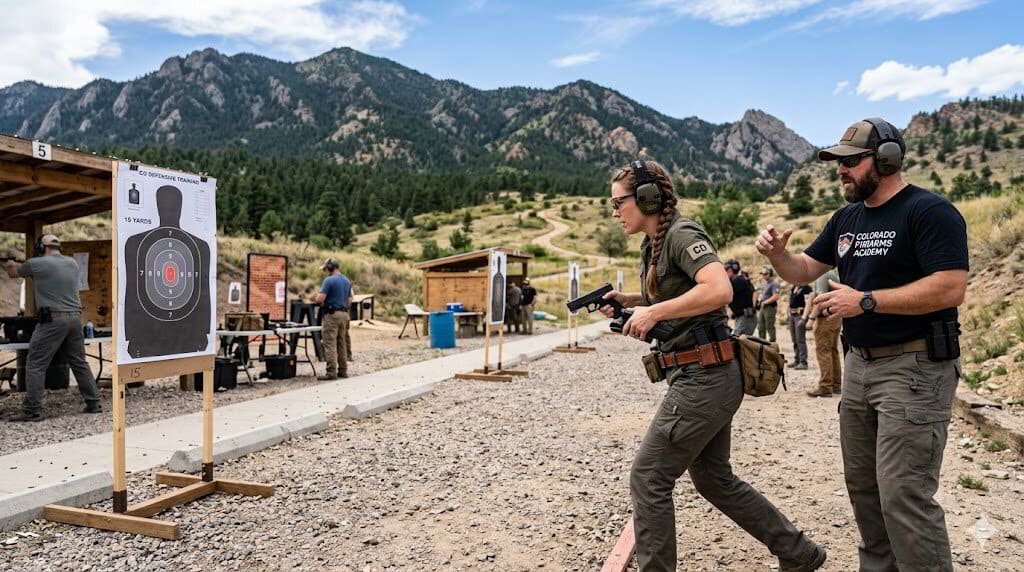
The Ultimate Guide to Defensive Handgun Training in Colorado
In an increasingly uncertain world, mastering defensive handgun training is essential for responsible gun ownership and personal safety. Co…
Read more →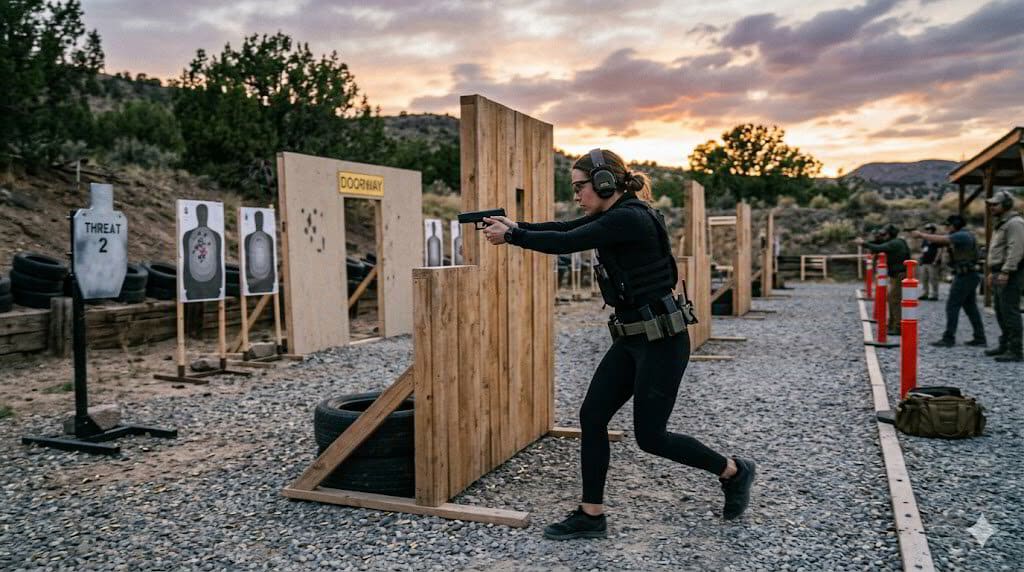
Best Practices for Defensive Handgun Training: A Comprehensive Guide
In a world where personal safety is increasingly vital, mastering defensive handgun training is essential for anyone considering firearm ow…
Read more →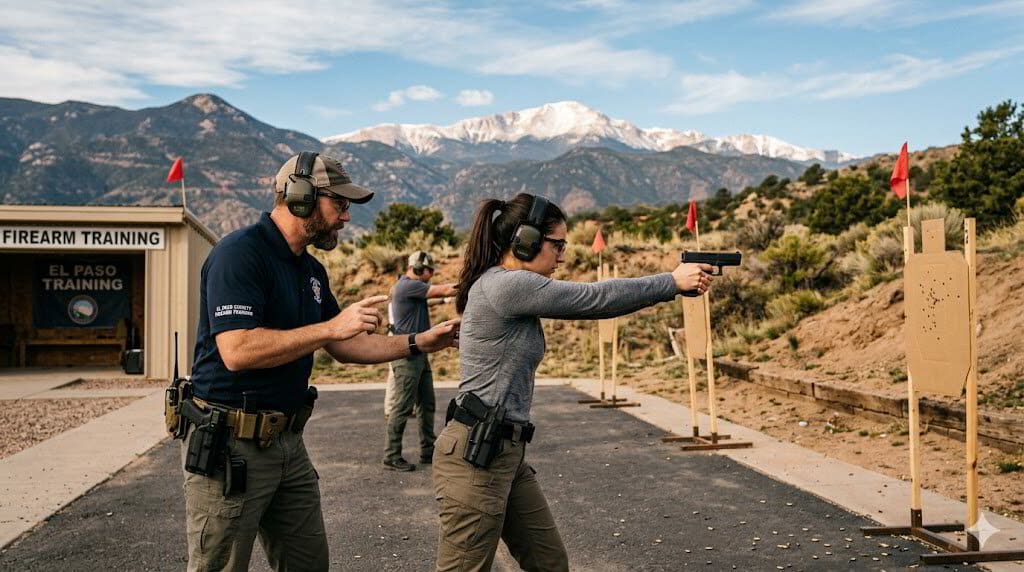
The Ultimate Guide to Firearm Training Courses in El Paso County, Colorado
In an age where firearm safety and education are paramount, Colorado Boots is proud to provide the definitive guide to firearm training cou…
Read more →