
Building Confidence in Firearm Handling Today
September 24, 2024 · Firearm Handling
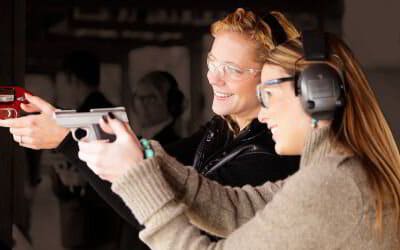
Building confidence in firearm handling is essential for anyone looking to engage in shooting
sports or promote personal safety. Did you know that studies show well-trained individuals
exhibit significantly lower rates of accidents and mishandling compared to those who have not
received proper education? Whether you're a seasoned shooter or a beginner stepping into the
world of firearms, understanding how to cultivate that confidence can be the difference between
responsible ownership and potential mishaps. In this blog post, we will explore various
strategies and techniques aimed at enhancing your skills, fostering a positive mindset, and
creating a supportive environment, all of which are key to becoming a proficient and responsible
firearms user.
Understanding the Importance of Confidence in Firearm Handling
Confidence is a critical element in firearm handling that significantly impacts both safety and
performance. When individuals feel confident in their skills, they are more likely to handle
firearms responsibly and effectively. Here's why building confidence in firearm handling is
essential:
The Impact of Confidence on Safety
Confidence can be a double-edged sword in firearm contexts; while it fosters responsible
behaviors, overconfidence can lead to carelessness. Therefore, a balanced approach to
developing confidence is vital. Key safety improvements include:
Controlled Decision-Making: Confident handlers make better choices under stress,
enhancing safety protocols.
- Proper Handling Techniques: A strong sense of competence encourages the correct
handling of firearms, minimizing accidents.
- Awareness of Surroundings: A confident individual is more likely to maintain situational
awareness, reducing risks for themselves and others.
How Confidence Affects Performance
Confidence directly influences an individual's ability to perform under pressure. This is
especially crucial in shooting sports or self-defense scenarios. Here are ways confidence
elevates performance:
- Improved Focus and Concentration: Confident shooters can better concentrate on the
task at hand, leading to improved accuracy.
- Enhanced Reactions: A confident individual can quickly respond to unexpected
situations, ensuring effective firearm use.
- Proactive Learning: Confidence fosters a growth mindset, encouraging continual
practice and skill enhancement.
Building confidence in firearm handling is not solely about the act of shooting but also
encompasses mindset, education, and practice.
For those interested in diving deeper into training, consider visiting NRA Training for additional
resources that promote safe and confident firearm operations.
Key Principles of Safe Firearm Handling
To embark on the journey of building confidence in firearm handling, one must first understand
the critical principles of safety. A solid foundation in these principles not only promotes
responsible use but also enhances overall competence with firearms.
The Four Fundamental Rules
Every firearms user should adhere to the Four Fundamental Rules of firearm safety, which are
paramount in building confidence:
- Treat Every Firearm as if It’s Loaded: Always assume the firearm is loaded, which
establishes a mindset of respect and caution.
2. Never Point the Muzzle at Anything You’re Not Willing to Destroy: Maintain discipline
in muzzle direction to prevent accidents.
3. Keep Your Finger Off the Trigger Until Ready to Shoot: This rule helps prevent
unintentional discharges and promotes conscious control.
4. Be Sure of Your Target and What’s Beyond It: Understanding what’s behind your target
is crucial for safety and prevents collateral damage.
The Role of Proper Training
In addition to the fundamental rules, proper training is essential in building confidence in firearm
handling. Engaging in structured training programs provides several benefits:
- Skill Development: Training helps you develop essential skills such as accuracy,
handling, and maintenance.
- Scenario Practice: Realistic scenario-based training cultivates familiarity with various
situations one might encounter.
- Feedback Provision: Having experienced instructors provides immediate feedback,
which is invaluable for personal growth and skill rectification.
By incorporating these key principles into your training routine, you can build solid confidence in
your ability to handle firearms safely and effectively.
For further guidance on safe firearm practices, check out Smith & Wesson Training Division.
Effective Training Methods for Building Confidence
Building confidence in firearm handling is rooted in proper and consistent training. Different
approaches and methodologies can enhance skills while fostering a safe environment. Here are
some effective training methods to consider:
Structured Classes at Colorado Boots Firearms Instruction
Structured classes provide a critical base in firearm training, offering a safe space for learners to
develop their skills. At Colorado Boots Firearms Instruction, students benefit from:
- Expert Instructors: Learn from seasoned professionals who understand the nuances of
firearm handling.
- Comprehensive Curriculum: Classes cover a range of topics, from basic safety to
advanced shooting techniques.
- Interactive Learning: Engaging formats that include discussions, demonstrations, and
hands-on practice reinforce understanding.
Hands-On Practice: Live Fire Exercises
Nothing beats real-life experience when it comes to building confidence. Live fire exercises
allow individuals to apply what they've learned in a controlled setting. Benefits of live fire
practice include:
- Realistic Conditions: Experience handling firearms under conditions that mimic actual
scenarios.
- Immediate Feedback: Instructors can provide real-time corrections and guidance,
promoting faster learning.
- Skill Reinforcement: Regular practice helps solidify techniques and boosts confidence
through repetition.
Dry Fire Drills: A Tool for Mastery
Dry fire drills are an excellent method for honing skills without live ammunition. This practice is
beneficial for several reasons:
- Cost-Effective: Save on ammunition while still practicing essential skills.
- Focus on Technique: Concentrate on grip, trigger control, and sight alignment without
the distraction of recoil.
- Convenient: Practice at home or at the range, making it an accessible option for building
muscle memory.
Incorporating these methods into your training regime will significantly contribute to building
confidence in firearm handling, enabling you to operate firearms safely and proficiently.
For more information on firearm training resources, visit Glock Inc. Training.
Overcoming Anxiety Related to Firearm Handling
For many, building confidence in firearm handling involves navigating personal anxieties or fears
related to guns. Understanding these emotions and implementing strategies to overcome them
can create a more positive experience during training and beyond.
Understanding Common Fears
Common fears associated with firearm handling can hinder progress and diminish confidence.
Recognizing these fears is the first step in overcoming them:
- Fear of Injury: Worrying about personal safety or the safety of others when handling
firearms.
- Fear of Making Mistakes: Anxiety about performing incorrectly or embarrassing oneself
in front of peers.
- Fear of the Unknown: New gun owners may feel overwhelmed by unfamiliar terms,
operations, and protocols.
Techniques to Manage Anxiety in Shooting Situations
Several techniques can help alleviate anxiety and build confidence in firearm handling:
- Preparation Through Education: Understanding how firearms work and what to expect
during training can significantly reduce anxiety. Taking classes that cover firearm safety
and operation can build familiarity.
- Breathing Exercises: Practicing deep breathing techniques before and during shooting
can help calm nerves. Focus on controlled breathing to maintain composure.
- Gradual Exposure: Start with lower-pressure situations, such as dry fire drills, before
progressing to live fire exercises. Gradual exposure helps individuals acclimate to the
experience.
- Mindfulness Techniques: Practicing mindfulness can help individuals stay focused on
the present moment, reducing anxiety about past failures or future concerns.
- Seek Support: Engage with instructors and fellow students. Sharing experiences and
anxieties can foster a supportive learning environment where everyone encourages one
another.
By addressing and overcoming these anxieties, aspiring shooters can better navigate their
training journey, significantly contributing to building confidence in firearm handling.
For additional resources about managing firearm-related anxiety, consider visiting Sig Sauer
The Role of Community in Building Confidence
Building confidence in firearm handling is not just an individual journey; it is greatly enhanced by
the support and camaraderie found within the firearms community. Joining a community of
fellow enthusiasts can provide encouragement, knowledge sharing, and motivation to improve
skills.
Finding Supportive Training Environments
Choosing the right training environment is crucial in fostering confidence. Supportive training
venues often share the following characteristics:
- Encouraging Atmosphere: Instructors and peers encourage questions and dialogue,
which helps reduce anxiety for beginners.
- Inclusive Learning: Environments that welcome individuals of all skill levels allow
learners to progress at their own pace.
- Safety-Focused Culture: A strong emphasis on safety creates a reassuring atmosphere,
allowing participants to focus on their skills without the added stress of unsafe practices.
Peer Encouragement and Shared Learning
The sense of community can significantly enhance the learning experience through peer-to-peer
interaction. Here’s how:
- Learning from Others: Observing and learning from more experienced firearms users
can accelerate skill acquisition.
- Sharing Experiences: Open discussions about challenges and successes help
normalize the learning process, reinforcing that everyone starts somewhere.
- Motivation to Practice: Having a shooting buddy or group can motivate individuals to
practice regularly. Group sessions often make training more enjoyable and less
intimidating.
Being part of a supportive community not only aids in building confidence in firearm handling but
also creates lasting friendships that can enhance the overall experience.
To find nearby firearms communities or training programs, consider resources like America's 1st
Freedom for local events and networking opportunities.
Developing Mindset for Confident Firearm Handling
A positive mindset is essential for building confidence in firearm handling. Cultivating a strong
mental approach will not only improve your shooting skills but also instill a greater sense of
responsibility when handling firearms.
The Importance of a Positive Mental Attitude
A can-do attitude in firearm training leads to significant improvements in performance and
enjoyment. Here’s why a positive mindset matters:
- Resilience to Challenges: A positive outlook helps individuals persist through difficulties,
turning setbacks into opportunities for growth.
- Enhanced Focus: Confidence fosters concentration, allowing shooters to focus on their
technique rather than dwelling on past mistakes or fears.
- Increased Enjoyment: A positive attitude toward learning can make training more
enjoyable and fulfilling, encouraging consistent practice.
Visualization Techniques for Success
Imagining successful outcomes can be a powerful tool in building confidence. Incorporating
visualization into your routine can have numerous benefits:
- Mental Rehearsal: Visualizing each step of firearm handling can help reinforce good
habits and improve muscle memory without the need for physical practice.
- Building Familiarity: Imagining being in a shooting scenario can help reduce anxiety by
allowing individuals to mentally prepare for real-life situations.
- Boosting Self-Efficacy: Visualizing success enhances belief in one’s capabilities,
making it easier to take on new challenges with confidence.
By embracing a positive mindset and utilizing visualization techniques, individuals can
significantly enhance their journey in building confidence in firearm handling.
For additional tips on mindset development, you might find resources on Mental Performance
Training from the NRA extremely useful.
Continuous Improvement: Lifelong Learning in Firearm Skills
Building confidence in firearm handling doesn't end with a single class or training session; it is
an ongoing journey of improvement and skill enhancement. Committing to lifelong learning
ensures shooters stay proficient and informed about best practices in firearm safety and
handling.
The Benefits of Ongoing Training
Regular training sessions provide numerous advantages that contribute to building confidence:
- Skill Refinement: Continued practice helps refine existing skills and develop new
techniques that enhance overall performance.
- Adaptation to Changes: Firearms technology and methodologies evolve. Ongoing
training allows individuals to stay current with innovations and legal changes.
- Networking Opportunities: Engaging in training creates opportunities to connect with
fellow enthusiasts, experts, and firearms instructors who can offer support and insights.
Staying Updated with Legal Changes and Best Practices
An essential aspect of responsible firearm ownership is keeping informed about relevant laws
and safety practices. This encompasses:
- Understanding Local Regulations: Firearm laws may vary significantly by region.
Awareness of local laws ensures responsible ownership and prevents legal issues.
- Attending Workshops and Seminars: Participating in educational events allows
individuals to learn about current trends, legal updates, and safety protocols from experts
in the field.
- Reading Industry Publications: Subscribing to reputable firearm industry publications
can keep you updated on best practices, trends, and innovations.
Embracing a commitment to continuous improvement and education can greatly enhance your
journey. By investing time in refining your skills and staying informed, you'll not only build
confidence in firearm handling but foster a deeper appreciation for the responsibilities that come
with firearms ownership.
For additional resources on firearm safety and updated training programs, check out the
Conclusion: The Journey to Building Confidence in Firearm Handling
Building confidence in firearm handling is a multifaceted journey that encompasses education,
practice, and community support. Each element plays a crucial role in developing responsible,
skilled, and confident firearm users.
Encouraging Enthusiasm for the Shooting Sports
As individuals embrace the learning process, they often discover a newfound enthusiasm for
shooting sports. This enthusiasm can be cultivated through:
- Participating in Competitions: Engaging in local shooting competitions can provide
valuable experience and motivation to improve.
- Exploring Different Disciplines: Trying various shooting methods, such as target
shooting or competitive shooting, can enhance skills and maintain interest.
- Joining Clubs and Organizations: Becoming part of a shooting club fosters
camaraderie and encourages consistent practice.
The Ongoing Commitment to Safety and Skill Development
The foundation of building confidence lies in a strong commitment to safety and continuous
development. Key takeaways include:
- Practice Regularly: Regular practice builds muscle memory and reinforces safe handling
practices.
- Stay Informed: Keep up with the latest news, laws, and safety protocols within the
firearms community.
- Seek Continuous Training: Attending new classes, workshops, and certifications will
ensure that skills are fresh and relevant.
In conclusion, building confidence in firearm handling is not merely a destination but a lifelong
journey that requires dedication, education, and community engagement. As individuals commit
to this process, they'll not only improve their skills but also promote a culture of safety and
responsibility within the wider firearms community.
For those looking to enhance their skills and knowledge, resources from the National Rifle
Association (NRA) offer comprehensive training and safety information for all levels of firearm
enthusiasts.
What are the best ways to build confidence in firearm handling?
The best ways to build confidence in firearm handling include engaging in structured training
classes, practicing frequently in a safe environment, and participating in community events.
Surrounding yourself with experienced instructors and fellow enthusiasts can provide valuable
support and encouragement throughout your learning journey.
How important is mindset in firearm training?
Mindset is critically important in firearm training. A positive attitude can improve focus,
resilience, and enjoyment of the training process. Embracing a growth mindset helps individuals
view challenges as opportunities for improvement, bolstering their confidence and overall
performance.
Can I build confidence in firearm handling without prior experience?
Absolutely! Everyone starts somewhere, and building confidence in firearm handling begins with
education and practice. Taking beginner classes, focusing on basic safety and handling skills,
and gradually progressing to more advanced techniques can help novices develop the
necessary skills and confidence over time.
How can I manage anxiety when learning to handle firearms?
Managing anxiety when learning to handle firearms can be achieved through several
techniques, such as practicing deep breathing exercises, visualizing successful outcomes, and
starting with low-pressure scenarios like dry fire drills. Additionally, engaging in discussions with
instructors and peers can normalize the learning process and provide reassurance.
What role does community play in building confidence in firearm handling?
Community plays a significant role in building confidence in firearm handling by providing
support, encouragement, and opportunities for shared learning. Joining a supportive training
group or club can foster friendships, reduce anxiety, and motivate individuals to practice
regularly, ultimately enhancing their confidence and skills in handling firearms.
Tags: Firearm Handling
Latest Blog & Articles
The Ultimate Guide to Defensive Handgun Training in Colorado
In an increasingly uncertain world, mastering defensive handgun training is essential for responsible gun ownership and personal safety. Co…
Read more →
Best Practices for Defensive Handgun Training: A Comprehensive Guide
In a world where personal safety is increasingly vital, mastering defensive handgun training is essential for anyone considering firearm ow…
Read more →
The Ultimate Guide to Firearm Training Courses in El Paso County, Colorado
In an age where firearm safety and education are paramount, Colorado Boots is proud to provide the definitive guide to firearm training cou…
Read more →