
Building A Positive Firearm Relationship Through Training
January 14, 2025 · Building A Positive Firearm Relationship
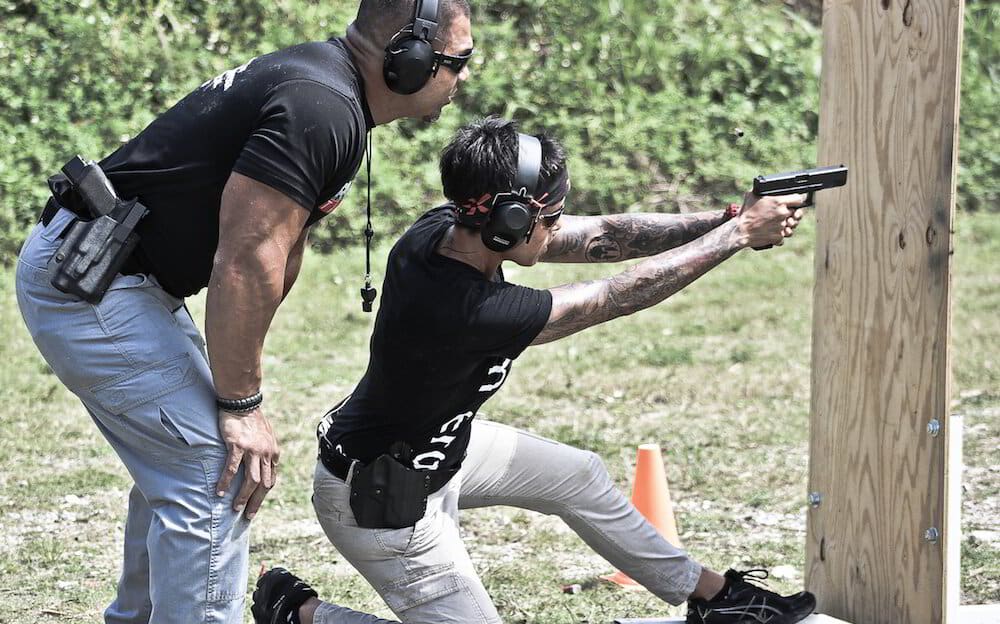
Building a positive relationship with firearms through responsible training and education is
essential in today's world, where the importance of gun safety and knowledge cannot be
overstated. Did you know that according to the National Safety Council, the proper training and
education of firearm owners can significantly reduce the risk of accidents? Whether you are a
seasoned gun owner or a newcomer to the shooting sports, understanding the dynamics of
firearm ownership is vital. This involves not just knowing how to operate a firearm, but also
grasping the legal, ethical, and social responsibilities that come with it. By committing to
responsible training and ongoing education, individuals can cultivate a deep respect for
firearms, making informed decisions that promote safety and advocacy within the community.
Join us as we explore the many facets of building this positive relationship, ensuring that you
are well-equipped to enjoy your rights while prioritizing safety.
Understanding the Importance of a Positive Firearm Relationship
When it comes to owning firearms, developing a positive relationship with them is paramount.
This relationship is not just about familiarity; it encompasses a deep respect for the
responsibility that firearm ownership entails. A positive connection helps individuals appreciate
the significance of their Second Amendment rights, leading to a safer and more informed
approach to firearm handling.
The Role of Firearms in Self-Defense and Personal Safety
Firearms provide a means of self-defense, which is a vital aspect of personal safety.
Understanding their capabilities and limitations promotes responsible usage. Here are a few
considerations to bear in mind:
- Awareness of Potential Threats: Being informed about personal safety and threats in
your environment.
- Effective Response: Recognizing that firearms can be one part of a larger self-defense
strategy.
Mental and Emotional Aspects of Firearm Ownership
Owning a firearm transcends the physical act of possession; it also involves a mental and
emotional journey. Here’s how training can build a more profound connection:
- Confidence Building: As individuals learn to handle firearms responsibly, their
confidence in their abilities increases.
- Reduced Anxiety: Proper training alleviates fears and anxieties associated with firearm
misuse.
Building a Positive Relationship with Firearms
Defining what a positive relationship means with firearms requires introspection and
commitment. It involves recognizing that responsible firearm ownership is an ongoing journey,
not a destination. Key elements of this relationship include:
- Respect for the Tool: Understanding firearms as tools designed for specific purposes,
such as sport shooting or self-defense.
- Commitment to Safety: Consistently practicing safe firearm handling techniques.
- Education on Usage: Gaining knowledge about how different firearms operate and their
appropriate settings.
The Impact of Responsible Training
Investing time and effort into responsible training lays the foundation for a healthy firearm
relationship. Well-structured training programs not only enhance a person's skills but also foster
a culture of safety and responsibility in the shooting community.
- How Training Enhances Safety Awareness: Individuals become more cognizant of
firearm laws, safe handling practices, and emergency procedures.
- Developing Skills Through Professional Instruction: Engaging with qualified
instructors can provide insights that self-learning may overlook.
- Importance of Ongoing Education: Acquiring new skills and knowledge continuously
fortifies a positive mindset towards firearms.
For further resources on firearm training programs and safety education, consider visiting the
National Rifle Association (NRA) for comprehensive information.
In conclusion, building a positive relationship with firearms through responsible training and
education is not only about mastering the mechanics; it's about fostering a mindset centered on
respect, safety, and community involvement. This journey encourages responsible firearm
ownership and contributes to a safer society, empowering individuals to embrace their rights
with knowledge and confidence.
Key Components of Effective Firearm Training
Effective firearm training is crucial for anyone looking to build a positive relationship with
firearms through responsible training and education. By focusing on the right components,
individuals can ensure they receive a comprehensive learning experience that prioritizes safety
and skill development.
Choosing the Right Training Program
When it comes to selecting a training program, consider the following aspects:
- Goals and Objectives: Understand what you want to achieve from training (e.g.,
self-defense, sport shooting).
- Course Format: Analyze whether you prefer in-person lessons, online courses, or a
hybrid approach.
- Instructor Credentials: Ensure that the instructors are certified and have substantial
real-world experience.
Assessing Instructor Qualifications and Experience
The qualifications of your firearm instructor can significantly affect your training experience.
Look for:
- Certifications: Valid credentials from recognized organizations, such as the NRA or the
U.S. Concealed Carry Association (USCCA).
- Experience Level: Instructors who have substantial field experience as well as teaching
expertise.
- Teaching Style: Find an instructor whose teaching methods resonate with your learning
preferences.
Customizing Training to Individual Needs
Each firearm owner has unique needs and capabilities. Therefore, customizing training is
essential for effective learning. Some ways to tailor your training experience include:
- Skill Assessment: Begin with an evaluation of your current skill level to tailor your
learning trajectory.
- Personal Goals: Focus on areas that align with your personal goals, whether that’s
precision shooting or tactical handling.
- Feedback Mechanisms: Incorporate opportunities for continuous feedback to help refine
skills and techniques.
The Importance of Lifelong Learning
Building a positive relationship with firearms through responsible training and education is not a
one-time endeavor. Firearm owners must commit to lifelong learning. Consider these benefits:
- Adapting to New Technologies: Staying updated on new firearms technology and safety
equipment.
- Legal Awareness: Understanding changes in firearm laws and regulations is crucial for
responsible ownership.
- Expanding Skills: Engaging in advanced training classes or workshops to develop
expertise in specialized areas.
For additional resources and training opportunities, you can explore the U.S. Concealed Carry
Association (USCCA), which offers various courses and resources for firearm owners looking to
enhance their skills.
By focusing on these key components, individuals can establish a strong foundation for building
a positive relationship with firearms, encouraging responsible ownership and a commitment to
safety in every aspect of their firearm journey.
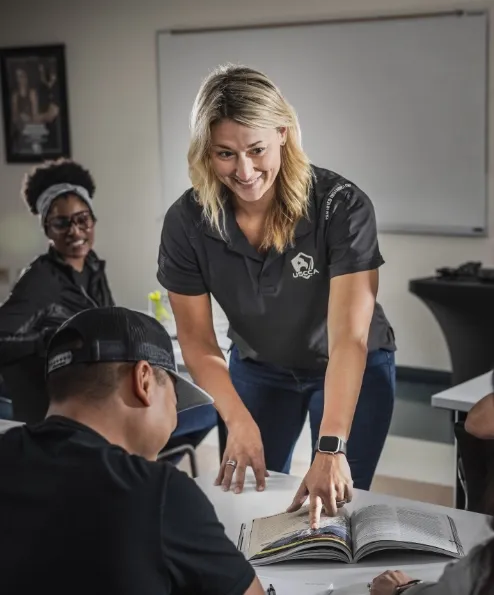
Education as a Pillar of Responsible Firearm Ownership
Education plays a crucial role in building a positive relationship with firearms through
responsible training and education. It encompasses not just learning how to operate a firearm,
but also understanding the broader implications of firearm ownership. A well-rounded education
can empower individuals, promoting safe practices and informed decision-making.
Understanding Firearm Laws and Regulations
A foundational element of firearm education is an awareness of local and federal laws governing
their use. Key points to include are:
- State-Specific Regulations: Laws regarding firearm ownership can vary significantly
from one state to another. Always research and stay updated on these laws.
- Transport and Storage Requirements: Knowing how to legally transport and safely
store firearms is essential for compliance and safety.
- Use of Force Laws: Understanding where and when you can legally use a firearm can
prevent serious legal repercussions.
Learning About Different Types of Firearms and Their Uses
Not all firearms are created equal; they serve different purposes and require distinct handling
practices. Educating yourself on various types of firearms includes:
- Handguns, Shotguns, and Rifles: Understanding the differences in operation and
intended use for each type.
- Sport Shooting vs. Self-Defense: Knowing the specific applications can help tailor your
training to your personal needs.
- Ammunition Knowledge: Learning about various types of ammunition and their
performance characteristics is vital for safe handling.
Resources for Continuous Learning and Improvement
Building a positive relationship with firearms through responsible training and education is an
ongoing process. Here are some resources for continued learning:
- Online Courses and Webinars: Many reputable organizations offer online training
programs covering various aspects of firearm safety and usage.
- Books and Publications: Check for safety guidelines and techniques published by
well-known firearm organizations.
- Industry Events and Workshops: Participating in firearm expos, shooting competitions,
or community events can provide hands-on experience and networking opportunities.
For more information and resources on firearm education, consider visiting the National
Shooting Sports Foundation (NSSF), which offers a wealth of information on safety and training
for gun owners.
Investing time in expanding your knowledge and understanding of firearms not only enhances
safety but also fosters a deeper appreciation for responsible ownership. This commitment to
education is fundamental in ensuring that individuals build a positive relationship with firearms
while navigating their rights and responsibilities.
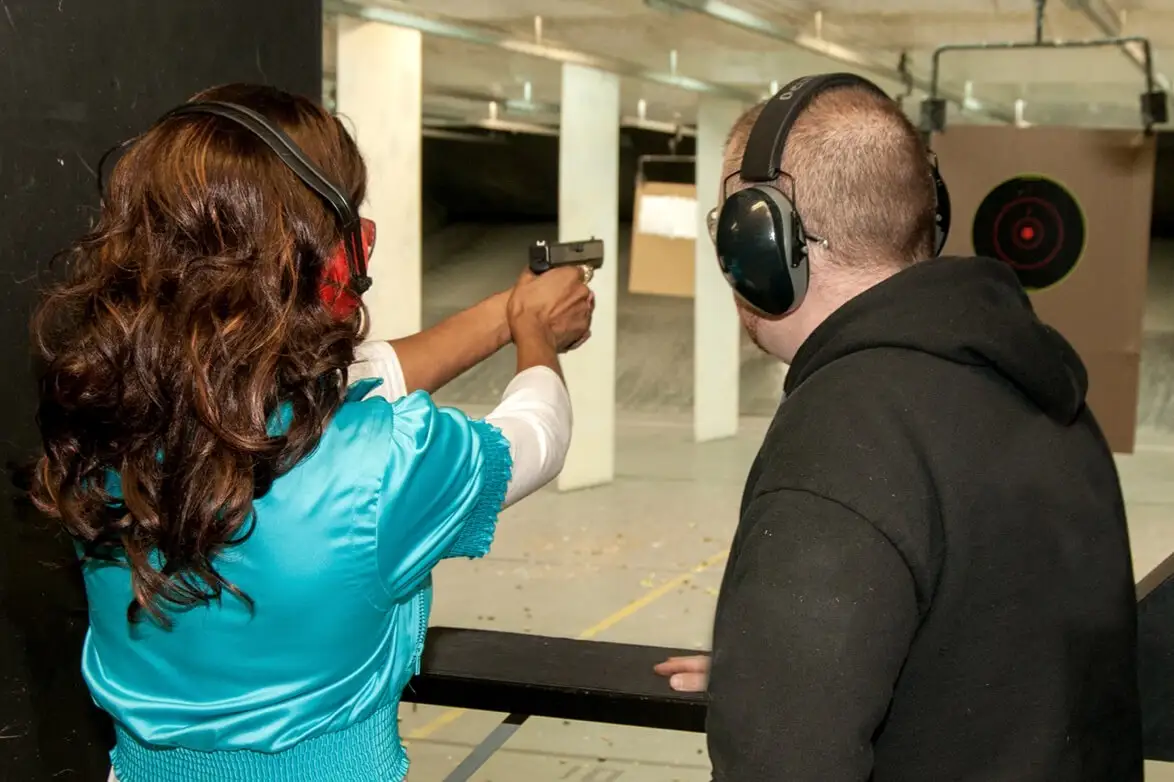
Creating a Safe Environment for Training
Creating a safe environment for firearm training is essential for building a positive relationship
with firearms through responsible training and education. A secure and controlled space not
only enhances learning but also instills confidence in participants as they develop their skills.
Selecting Appropriate Training Locations
The choice of training location plays a critical role in shaping the experience. Consider the
following options:
- Indoor Ranges: Typically offer climate control and can provide a controlled environment
for beginners and experienced shooters alike.
- Outdoor Ranges: Ideal for practicing with long-range firearms and more dynamic
shooting exercises, often providing a more realistic setting.
- Private Property: Make sure to verify that it is safe and legal to shoot in these areas, and
that it adheres to all local laws and regulations.
Importance of Safety Protocols
Safety protocols are non-negotiable in any training environment. Essential safety practices
include:
- Always Treat Firearms as if They Are Loaded: Instilling a habit of treating every firearm
with caution can prevent accidents.
- Clear Communication: Establish clear commands and signals to enhance safety and
ensure that all participants are aware of the environment.
- Supervision by Qualified Instructors: Always train under the supervision of
experienced professionals who can guide practices and correct mistakes in real-time.
Involving Family Members in the Training Process
Firearm education works best when it involves family members, helping to foster a culture of
safety and respect within the household. Benefits of including family include:
- Shared Understanding: Everyone can learn about safe handling, proper usage, and
legal responsibilities together.
- Developing a Support Network: Family members can support each other in responsible
ownership and training.
- Encouraging Open Discussions: Frequent conversations about firearms can promote
transparency and help dispel fears or misconceptions.
For additional guidance on creating a safe training environment, consider exploring the
resources offered by the American Shooting Sports Foundation (ASSF). They provide valuable
information to help ensure safe and effective training practices.
By prioritizing safety in the training environment and making it a family affair, individuals can
significantly enhance their journey toward building a positive relationship with firearms. This
fundamental commitment to safety not only benefits the individual but also contributes to the
broader community's understanding and respect for responsible firearm ownership.
Fostering Respect and Appreciation for Firearms
Fostering a sense of respect and appreciation for firearms is a critical element in building a
positive relationship with firearms through responsible training and education. Understanding
the value of firearms and their role in society can significantly enhance an individual’s
perspective and usage of these tools.
Cultivating a Mindset Focused on Responsibility
A respectful approach to firearm ownership begins with a responsible mindset. Here are some
key principles to embrace:
- Understanding Risk: Acknowledge the potential dangers associated with firearms and
the importance of mitigating those risks through training and education.
- Recognizing the Privilege: Owning a firearm is a privilege that comes with significant
responsibilities, including secure storage and legal compliance.
- Promoting Accountability: Take personal responsibility for your actions and the
consequences they may have on yourself and others.
Community Involvement and Sharing Knowledge
Engagement with the community can help broaden perspectives and foster respectful firearm
practices. Consider the following avenues:
- Participating in Local Events: Joining shooting clubs and local firearm safety workshops
can improve skills and build camaraderie among fellow firearm enthusiasts.
- Volunteering: Contributing knowledge and resources to community events promotes
education and safe practices for all participants.
- Joining Online Forums: Engaging in conversations on reputable platforms allows for the
sharing of experiences and the exchange of best practices, enhancing collective
knowledge.
The Role of Mentorship in Firearm Education
Mentorship serves as a vital resource in fostering respect for firearms. A mentor can offer
insights and experiences that shape a person’s understanding of responsible firearm ownership.
Benefits of mentorship include:
- Guided Learning: Mentors can provide personalized training and feedback, helping
mentees progress in their skill levels.
- Modeling Responsibility: By demonstrating responsible firearm behavior, mentors set
an example for others to follow.
- Encouraging Growth: Mentors inspire continuous learning and exploration within the
shooting sports community.
For more information on responsible firearm ownership and community engagement
opportunities, you can visit the National Shooting Sports Foundation (NSSF). They provide
valuable programs focused on promoting safety and education in firearm practices.
Ultimately, fostering respect and appreciation for firearms is not just about the tools themselves;
it is about embedding a culture of responsibility and knowledge within oneself and the
community. By prioritizing respect, individuals can significantly enhance their relationship with
firearms while contributing to the wider dialogue surrounding responsible ownership.
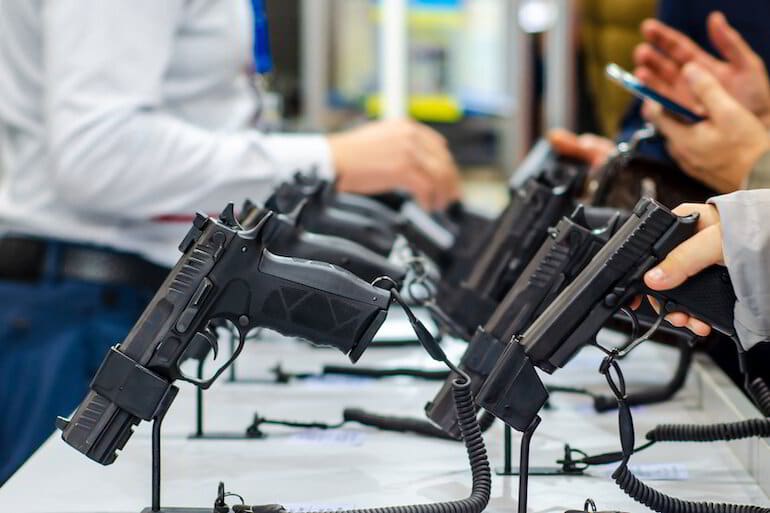
Conclusion
In conclusion, building a positive relationship with firearms through responsible training and
education is essential for anyone who owns or intends to own a firearm. This process involves
several key components that collectively enhance safety, skill development, and respect for
firearms.
Recap of the Journey Towards Building a Positive Relationship
The journey begins with understanding the importance of responsible firearm ownership and
progresses through effective training and continuous education. Each element, from selecting
the right training program to fostering a mindset of respect and community involvement,
contributes to a well-rounded and informed approach to firearm usage.
Encouragement to Pursue Responsible Training and Education
We encourage firearm owners and enthusiasts to take their education seriously. Whether you're
a beginner or an experienced shooter, there is always room for growth and improvement.
Prioritizing safety and education not only empowers individuals but also strengthens the
collective community of responsible firearm owners.
Final Thoughts on Lifelong Commitment
A positive mindset regarding firearms is a lifelong commitment that can significantly benefit
individuals and society. This dedication to responsible training and education shapes
perceptions around firearms, promotes safe practices, and develops an appreciation for the
rights and responsibilities inherent in firearm ownership.
For further resources and information on best practices in firearm safety and education,
consider visiting the National Rifle Association (NRA). They offer a wide array of training
programs and educational materials for all levels of firearm owners.
By actively engaging in this rewarding journey, individuals can create a safer environment for
themselves and their communities, emphasizing the importance of building a positive
relationship with firearms through responsible training and education.
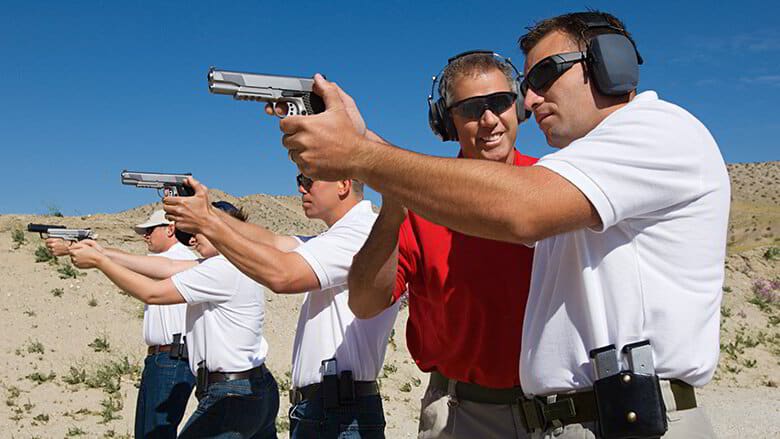
The Benefits of Building a Positive Relationship with Firearms
Building a positive relationship with firearms through responsible training and education offers
numerous benefits that extend beyond personal safety. These advantages not only enhance
individual skills but also contribute to a culture of respect and responsibility within the broader
firearm community.
Enhanced Safety Awareness
Developing a strong understanding of firearm operations and safety protocols significantly
reduces the risks associated with firearm ownership. Benefits include:
- Increased Preparedness: Knowledge of safety measures allows for prompt and effective
responses in emergencies.
- Accident Prevention: Understanding safety practices minimizes the likelihood of
unintentional discharges and injuries.
- Confidence in Handling: Training boosts confidence, enabling firearm owners to handle
their weapons with greater ease and control.
Improved Skill Development
Regular practice and education empower individuals to become proficient in firearm handling.
This proficiency translates into several advantages:
- Accuracy and Precision: Consistent training helps improve shooting skills and accuracy
over time.
- Adaptability: Being well-trained in various shooting scenarios prepares individuals for
different situations, whether for sport or self-defense.
- Lifelong Learning: As firearm enthusiasts continuously seek to expand their knowledge,
they are more likely to attend workshops and advanced courses.
Contribution to Community Safety
When firearm owners commit to responsible training and education, they actively contribute to
the safety and integrity of their communities. This positive impact includes:
- Setting a Good Example: Responsible firearm ownership encourages others to follow
suit, fostering a culture of safety.
- Community Involvement: Engaging in community safety programs or workshops helps
raise awareness and education around firearms.
- Strengthening Trust: Responsible gun owners cultivate trust with their neighbors and
local law enforcement, promoting a sense of security in the community.
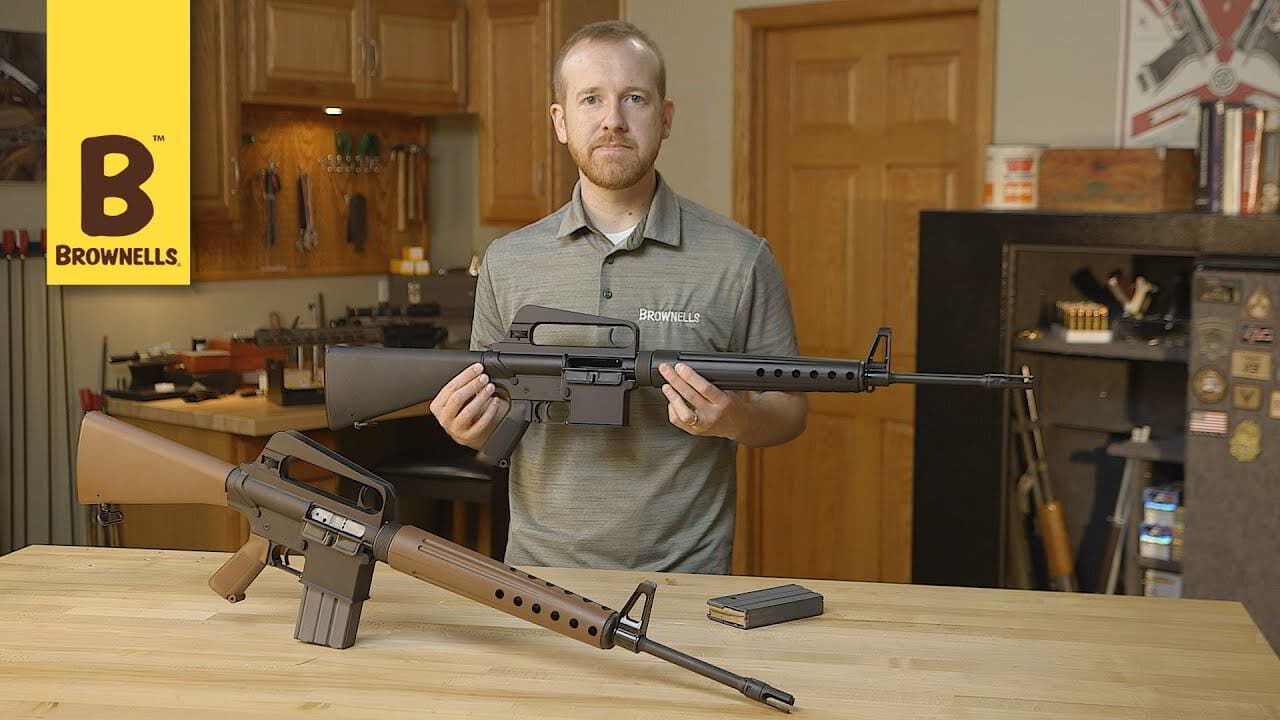
For more insights and resources on firearm safety and skill development, consider exploring the
offerings of the Brownells. Their commitment to promoting responsible firearms education and
support can significantly enhance your journey.
In summary, the benefits of building a positive relationship with firearms through responsible
training and education echo far beyond individual ownership. As individuals grow in knowledge
and skill, they foster a culture of respect and responsibility that can lead to safer communities
and an enriched understanding of firearm rights and responsibilities.
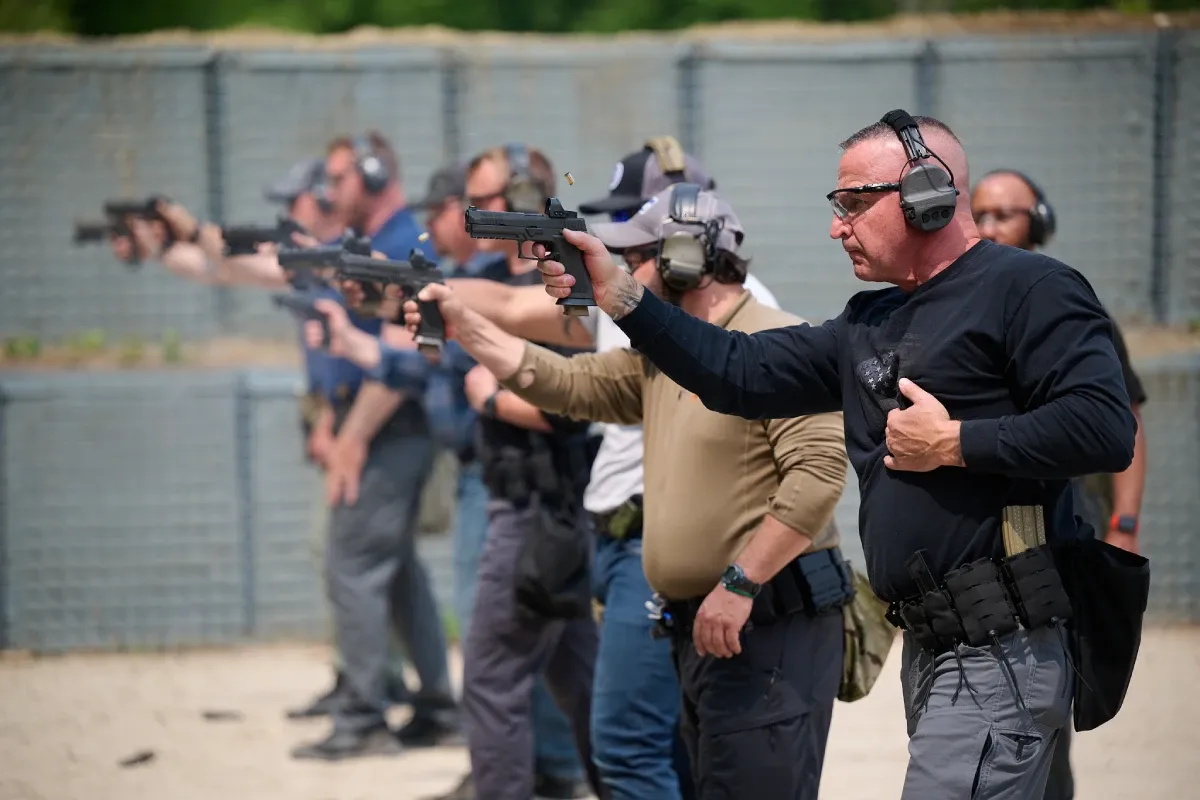
Taking Action: Steps Toward Building a Positive Relationship with Firearms
Building a positive relationship with firearms through responsible training and education is an
achievable goal for anyone interested in firearm ownership. Taking proactive steps can
significantly enhance your skills, awareness, and personal safety. Below, we outline the
essential actions to start your journey.
Establish a Foundation of Knowledge
Knowledge is the cornerstone of responsible firearm ownership. Start by:
- Researching Firearm Types: Understand the different firearms available and determine
which ones best suit your needs.
- Learning the Laws: Stay informed about local and federal laws regarding firearm
ownership, usage, and transport to avoid legal pitfalls.
- Understanding Safety Practices: Familiarize yourself with basic safety protocols, such a
s the "Four Rules of Gun Safety."
Enroll in Training Courses
Training is crucial for enhancing your skills and confidence. Consider these actions:
- Find a Reputable Instructor: Look for certified trainers who provide structured courses
on firearm safety and handling.
- Participate in Hands-On Training: Engage in real-life practice sessions, simulations, or
drills that test your skills in various scenarios.
- Take Advanced Courses: Once you feel comfortable, consider enrolling in specialized
courses that teach advanced techniques and situational awareness.
Engage with the Firearms Community
Becoming part of the firearm community can provide ongoing support and education. To get
involved:
- Join Local Clubs or Associations: Participate in shooting clubs or gun rights advocacy
groups to meet other enthusiasts and learn from their experiences.
- Attend Workshops and Events: Look for local events, expos, or competitions that focus
on firearms to broaden your exposure and network with like-minded individuals.
- Share Knowledge: Consider mentoring others who are new to firearms, as teaching is
one of the best ways to solidify your own understanding.
Stay Committed to Continuous Improvement
The journey of responsible firearm ownership doesn’t end with your first course or training
session. Make a commitment to:
- Practice Regularly: Set aside time to practice your shooting skills to maintain and
improve proficiency.
- Seek Feedback: Request guidance and constructive criticism from instructors and peers.
- Stay Informed on Industry Trends: Follow blogs, podcasts, and news from trusted
sources to keep up with changes in the firearm industry and best practices.
For additional training resources, consider visiting Sig Sauer Academy, known for its
comprehensive training programs tailored to firearm enthusiasts of all levels.
In conclusion, taking actionable steps toward building a positive relationship with firearms
through responsible training and education will empower you with the knowledge, skills, and
connections needed to navigate firearm ownership safely and effectively. This commitment
enriches not only your experience but also contributes to a broader culture of responsibility and
respect within the community.
What is the importance of responsible firearm ownership?
Responsible firearm ownership is crucial for ensuring the safety of both the owner and the
community. It involves not only properly handling and storing firearms but also understanding
the laws, ethical responsibilities, and potential consequences associated with their use. By
prioritizing safety and education, gun owners can help reduce accidents and promote a culture
of respect around firearms.
How can I find a reputable training program?
Finding a reputable training program begins with researching local firearm academies or
instructors and evaluating their qualifications. Look for certifications from recognized
organizations, read reviews from past participants, and consider attending introductory courses
to gauge the quality of instruction. Many training providers also offer trial classes, which can
help you determine if their approach aligns with your learning style.
What are the benefits of involving family members in firearm education?
Involving family members in firearm education enhances overall safety and fosters an
understanding of responsible ownership among all household members. It encourages open
discussions about safety practices and the importance of secure firearm storage. When
everyone is educated, it reduces misunderstandings and promotes a culture of accountability
within the family.
How often should I practice my firearm skills?
Regular practice is essential for maintaining proficiency and ensuring safety. It is generally
recommended to practice your firearm skills at least once a month, though more frequent
training is beneficial, particularly for beginners. Regular practice helps reinforce proper
techniques, boosts confidence, and allows for skill refinement, ultimately leading to better
handling during real-life situations.
What resources are available for ongoing firearm education?
There are numerous resources available for ongoing firearm education, including online
courses, workshops, and community seminars. Many organizations, such as the National Rifle
Association (NRA) and the U.S. Concealed Carry Association (USCCA), offer comprehensive
training programs and online materials. Additionally, books, podcasts, and reputable online
forums can provide valuable insights and updates on firearm safety and handling practices.
Tags: Building A Positive Firearm Relationship Through Training
Latest Blog & Articles
The Ultimate Guide to Defensive Handgun Training in Colorado
In an increasingly uncertain world, mastering defensive handgun training is essential for responsible gun ownership and personal safety. Co…
Read more →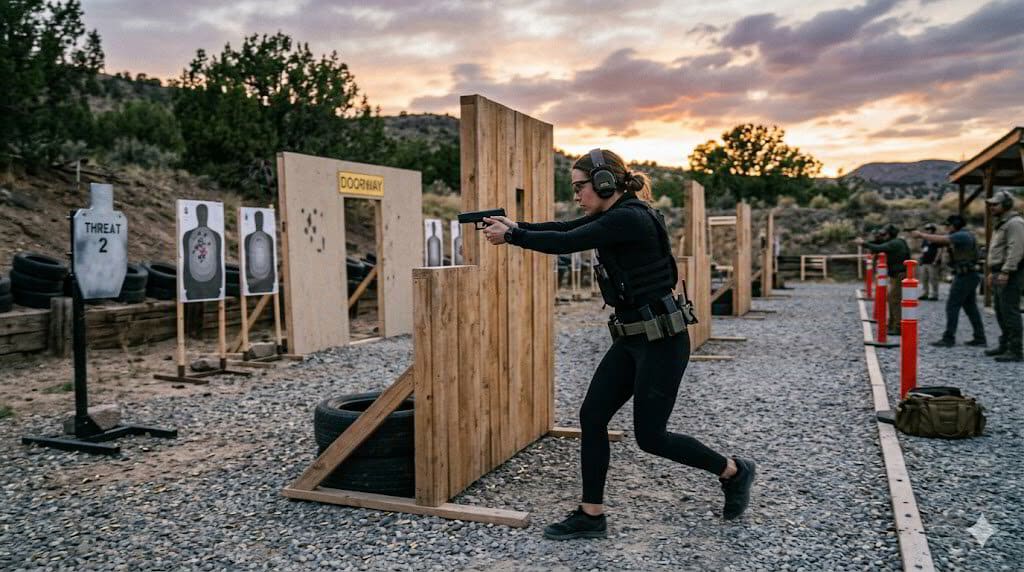
Best Practices for Defensive Handgun Training: A Comprehensive Guide
In a world where personal safety is increasingly vital, mastering defensive handgun training is essential for anyone considering firearm ow…
Read more →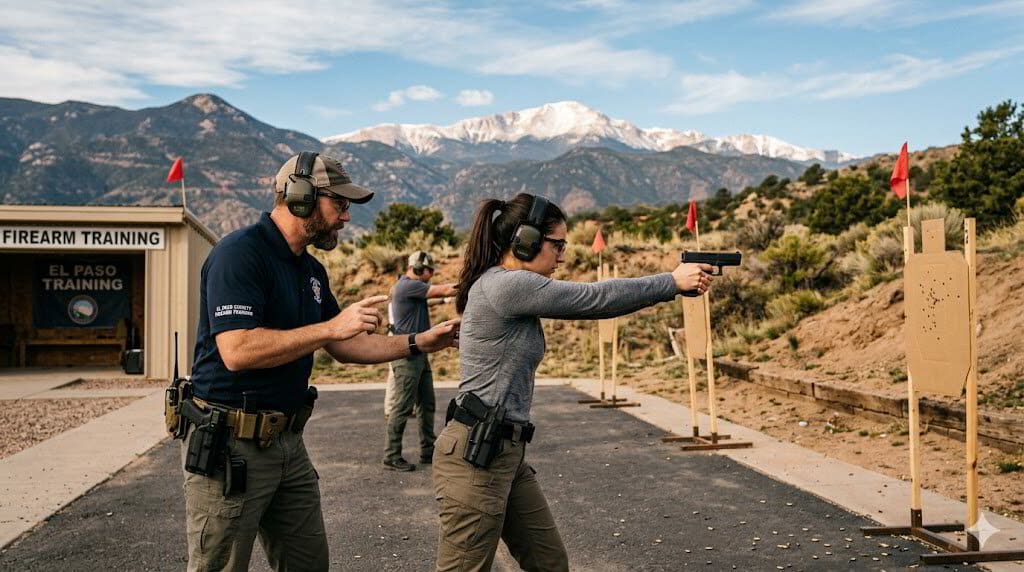
The Ultimate Guide to Firearm Training Courses in El Paso County, Colorado
In an age where firearm safety and education are paramount, Colorado Boots is proud to provide the definitive guide to firearm training cou…
Read more →