
Best Practices For Engaging In Shooting Sports
September 23, 2025 · Firearms Training & Safety / Outdoor & Recreational Shooting / Competitive Shooting Techniques
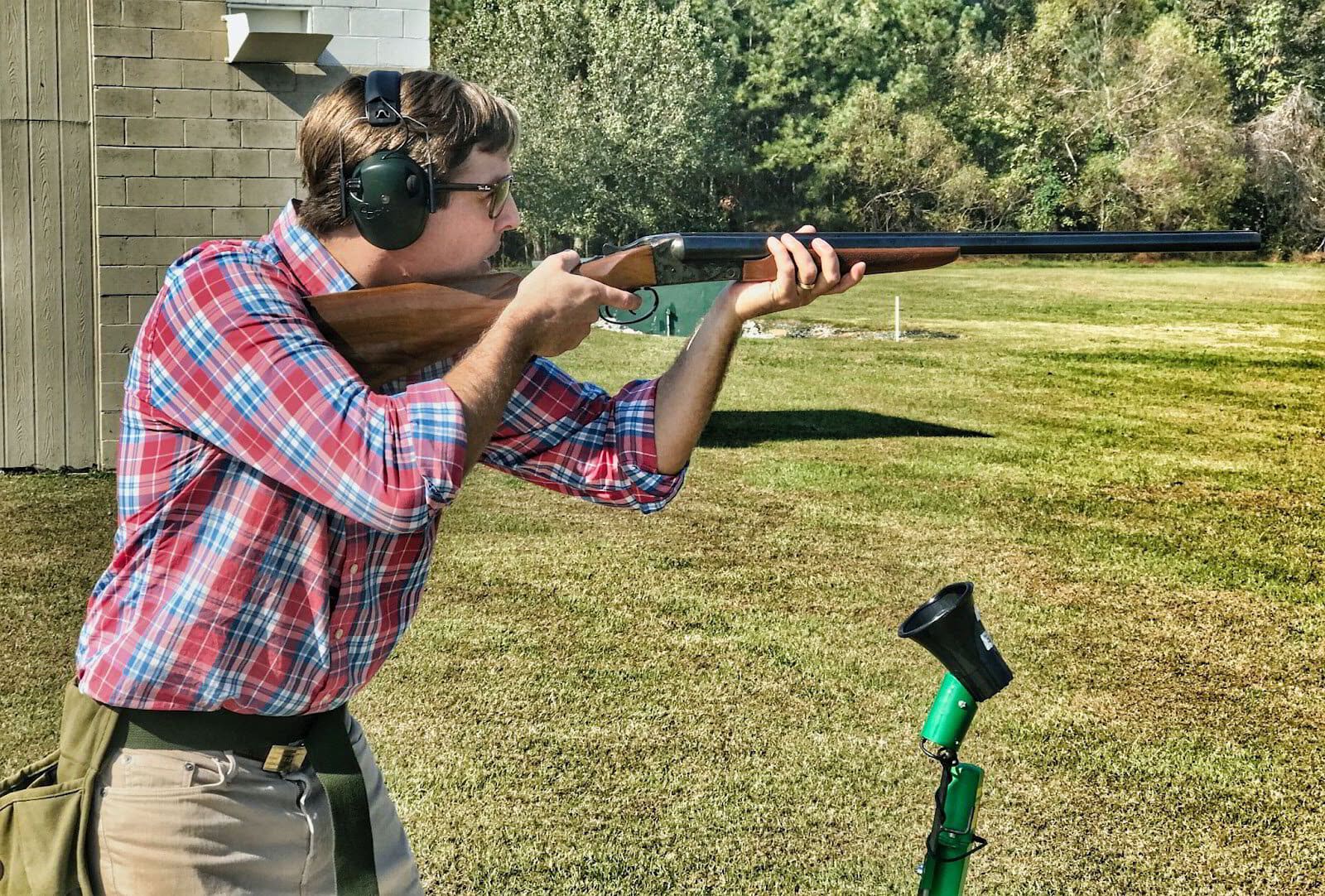
The best practices for engaging in shooting sports as an outdoor enthusiast are not just about
perfecting your aim; they encompass a holistic approach that prioritizes safety, respect for the
environment, and continuous skill development. Did you know that according to the National
Shooting Sports Foundation, millions of Americans participate in various shooting sports each
year, drawn by the thrill of precision and camaraderie? Whether you are a seasoned shooter or
a newcomer exploring this captivating hobby, understanding the essential guidelines can
enhance your experience and foster a safe, responsible community. This blog post will delve
into the fundamental aspects of shooting sports, offering insights and best practices to ensure
that your passion for firearms translates into enjoyable and responsible outdoor experiences.
Understanding Shooting Sports
Shooting sports encompass a variety of disciplines that emphasize skill, precision, and safety in
handling firearms. These activities provide an avenue for outdoor enthusiasts to engage in a
challenging and rewarding pastime. To truly appreciate and enjoy these sports, it's essential to
follow the best practices for engaging in shooting sports as an outdoor enthusiast.
The Importance of Safety
Safety should always be a top priority in shooting sports. Here are key safety measures to
ensure a safe and enjoyable experience:
- Always Treat Firearms as if They Are Loaded: This fundamental rule promotes a
culture of respect for firearms. - Keep the Muzzle Direction Safe: Always point the firearm in a safe direction, away from
people and objects that could be harmed. - Be Aware of Your Target and Beyond: Know what you are shooting at and what lies
beyond the target. - Wear Protective Gear: Use ear and eye protection to guard against hearing loss and eye
injuries.
Preparing for Your Shooting Experience
Before heading out to shoot, proper preparation is key. Here’s how to prepare effectively:
- Selecting the Right Firearm: Choose a firearm that suits your experience level and the
type of shooting sport you wish to engage in. - Wearing Appropriate Gear: Wear comfortable clothing and sturdy shoes suitable for the
terrain. Consider weather conditions as well. - Understanding Local Laws and Regulations: Familiarize yourself with local firearm
laws and shooting regulations to ensure compliance and safety.
Best Practices for Engaging in Shooting Sports
Engaging in shooting sports can be incredibly rewarding when approached with the right
mindset and practices. Here are some best practices for newcomers and seasoned enthusiasts
alike:
- Familiarizing Yourself with Firearm Mechanics: Understanding how your firearm works
can significantly enhance accuracy and safety. - Practicing Proper Shooting Stance and Grip: Developing a sound stance and grip can
lead to better aim and control. Practice regularly to refine these skills. - Importance of Regular Practice: Frequent practice not only improves your skills but also
increases your confidence with firearms. - Developing Good Habits Through Training: Consider taking courses or receiving
training from qualified instructors to cultivate safe handling habits and shooting
techniques.
For a deeper dive into various shooting types and accessories, the National Rifle Association
offers a wealth of resources (nra.org) that can cater to all skill levels and interests in shooting
sports.
Joining a Community or Academy
Connecting with others who share your passion can enhance your shooting experience. Joining
a community or academy offers several advantages:
- Benefits of Learning from Experts: Gain insights and skills from experienced instructors
who can guide you through safe practices and techniques. - Building Connections with Other Enthusiasts: Engage with a community that shares
knowledge, experiences, and camaraderie. - Participating in Local Events and Competitions: Hone your skills while enjoying the
thrill of competition and community support.
Understanding and Respecting the Environment
As outdoor enthusiasts, it's crucial to respect our environment while engaging in shooting
sports:
- Responsible Handling of Firearms Outdoors: Be aware of your surroundings and
ensure all firearms are secured when not in use. - Protecting Wildlife and Natural Resources: Follow ethical practices to ensure minimal
impact on the environment. - Advocating for Sustainable Practices: Promote the responsible use of shooting areas
and encourage others to preserve natural spaces.
Embracing the best practices for engaging in shooting sports as an outdoor enthusiast not only
ensures a safe and enjoyable experience but also fosters a respectful relationship with firearms
and the environment.
Enhancing Your Skills
Improving your shooting skills is an ongoing journey that requires dedication and practice. By
adhering to the best practices for engaging in shooting sports as an outdoor enthusiast, you can
elevate your proficiency and enjoyment of the sport. Here are some strategies to enhance your
skills effectively:
Setting Personal Goals
Establishing clear, achievable goals is essential for progressing in shooting sports. Consider the
following when setting your goals:
- Identify Specific Skills: Focus on areas you wish to improve, such as accuracy, speed,
or handling. - Create a Training Plan: Develop a structured schedule that includes both practice and
review. - Track Your Progress: Keep a journal or use an app to document your achievements and
areas needing improvement.
Seeking Feedback and Improvement Techniques
Feedback from others can significantly contribute to skill enhancement. Here’s how to
incorporate feedback into your practice:
- Work with Coaches or Instructors: Seek guidance from qualified professionals who can
provide real-time feedback on your shooting form and technique. - Participate in Peer Reviews: Shooting with friends can allow for mutual feedback and
learning opportunities. - Record Your Sessions: Video your practice sessions to self-review and identify areas for
improvement.
Exploring Different Shooting Sports Disciplines
Diversifying your experience can provide a fresh perspective and enhance your overall skill set.
Consider these popular shooting disciplines:
- Target Shooting: Focuses on precision and accuracy, often conducted at various
distances. - Action Shooting: Incorporates movement and quick responses to dynamic scenarios,
requiring a different skill set. - Skeet and Trap Shooting: Engages in shooting at moving clay targets, enhancing
reflexes and tracking ability.
For more resources on how to improve your shooting skills and find training classes near you,
visit the United States Practical Shooting Association (USPSA) at uspsa.org.
Remember that the journey to mastery in shooting sports is not only about skill but also about
embracing the safety, respect, and enjoyment that comes with the experience. Following these
best practices for engaging in shooting sports as an outdoor enthusiast will help foster a deeper
appreciation for the sport and enhance your connection to the community.
Understanding and Respecting the Environment
As outdoor enthusiasts, it’s our responsibility to engage in shooting sports while safeguarding
the natural environment around us. Following the best practices for engaging in shooting sports as
an outdoor enthusiast not only enhances our experience but also helps protect our shooting
ranges and wilderness spaces for future generations. Here are some guidelines to consider:
Responsible Handling of Firearms Outdoors
Safety and environmental respect go hand in hand. Ensure you follow these practices when
shooting outdoors:
- Leave No Trace: Bring all trash with you, including spent shell casings, and restore the
area to its natural state. - Secure Firearms When Not In Use: Always store firearms safely to prevent accidental
discharges or unauthorized use. - Educate Others: Encourage fellow shooters to follow safety protocols and respect the
environment.
Protecting Wildlife and Natural Resources
When participating in shooting sports, it's essential to be aware of our impact on wildlife and
natural resources. Here are ways to be a responsible shooter:
- Avoid Shooting Near Wildlife Habitats: Stay clear of nesting areas and migration
pathways to minimize disturbance. - Use Eco-Friendly Ammunition: Consider using lead-free ammunition and biodegradable
targets when possible. - Adhere to Designated Shooting Areas: Utilize approved ranges and designated
shooting zones to minimize environmental disruption.
Advocating for Sustainable Practices
Joining with other outdoor enthusiasts to promote sustainable practices can lead to a better
experience for all:
- Participate in Community Cleanups: Join local clean-up efforts at shooting ranges or
along public lands to support conservation efforts. - Support Conservation Organizations: Contribute to groups that focus on preserving
natural habitats and promote responsible shooting practices. For more information, you
can visit the National Audubon Society at audubon.org.
Engaging in shooting sports with mindfulness towards our environment ensures that we can
continue to enjoy these activities while preserving the beauty and integrity of our natural
surroundings. The best practices for engaging in shooting sports as an outdoor enthusiast
encompass both skill development and environmental stewardship, making our passion more
rewarding and sustainable.
Joining a Community or Academy
Becoming part of a community or academy dedicated to shooting sports enhances your
experience and knowledge. Engaging with others who share your passion can help you adhere
to the best practices for engaging in shooting sports as an outdoor enthusiast and can deepen
your appreciation for the sport. Here’s how joining a community or academy can benefit you:
Benefits of Learning from Experts
Working alongside experienced instructors can provide invaluable insights. Here are some
advantages:
- Structured Learning Environment: Receive guidelines and instruction tailored to your
skill level. - Access to Resources: Gain access to a wealth of information, from gear
recommendations to advanced training techniques. - Safety Training: Participate in courses that emphasize safety and responsible firearm
handling.
Building Connections with Other Enthusiasts
Being part of a community fosters camaraderie and support. Consider the following benefits:
- Networking Opportunities: Meet fellow shooting enthusiasts who can share
experiences, tips, and tricks. - Shared Knowledge: Learn from the diverse backgrounds of other members, enhancing
your own skill set. - Social Engagement: Participate in group outings, competitions, or social events, making
the experience more enjoyable.
Participating in Local Events and Competitions
Joining local events and competitions not only hones your skills but also strengthens community
bonds. Here’s why participation matters:
- Practice Under Pressure: Competing allows you to experience the challenges of
shooting in a timed or judged environment. - Feedback and Improvement: Gain insights on your shooting technique through scores
and critiques from judges and peers. - Celebrate Achievements: Share in the excitement of competing with friends and fellow
enthusiasts.
To find shooting clubs or local events, the National Shooting Sports Foundation (NSSF) offers a
comprehensive directory of resources (nssf.org). Getting involved in shooting sports through
community engagement and training is a rewarding way to embrace the best practices for
engaging in shooting sports as an outdoor enthusiast. This not only improves personal skills but
also fosters a safe and responsible shooting culture.
Preparing for Your Shooting Experience
Proper preparation is essential for a successful and enjoyable shooting experience. By adhering
to the best practices for engaging in shooting sports as an outdoor enthusiast, you can ensure
safety and maximize your enjoyment. Here’s how to prepare effectively before heading out:
Selecting the Right Firearm
Choosing the appropriate firearm is crucial for both safety and enjoyment. Consider the
following factors:
- Experience Level: Match the firearm to your skill level, opting for something manageable
if you're a beginner. - Purpose of Shooting: Select a firearm based on whether you're engaging in target
shooting, hunting, or competitive shooting. - Compatibility and Fit: Ensure the firearm feels comfortable in your hands and that you
can operate it efficiently.
Wearing Appropriate Gear
Safety and comfort go hand in hand when it comes to gear. Essential items include:
- Eye Protection: Always wear safety glasses to shield your eyes from potential hazards.
- Ear Protection: Use earmuffs or earplugs to protect your hearing from loud gunfire.
- Appropriate Clothing: Dress in layers, considering weather conditions, and wear sturdy
footwear suitable for the terrain.
Understanding Local Laws and Regulations
Awareness of firearm laws in your area is essential for responsible engagement in shooting
sports. Here are steps to ensure compliance:
- Research Local Laws: Familiarize yourself with regulations regarding ownership,
transport, and use of firearms. - Check Venue Rules: If shooting at a range or event, verify the specific rules and
regulations they have in place. - Engage in Legal Practices: Always transport and handle firearms in accordance with
state and local laws to avoid legal issues.
For additional guidance on understanding firearm regulations, the American Shooting Sports
Foundation provides valuable resources (asf.org) for outdoor enthusiasts.
By taking these preparatory steps, you can confidently engage in the best practices for
engaging in shooting sports as an outdoor enthusiast, ensuring both a safe and enjoyable
experience while fostering a deeper appreciation for the sport.
Understanding Shooting Sports
Shooting sports offer a thrilling and disciplined way for outdoor enthusiasts to engage with their
passion for firearms. Understanding the fundamentals of shooting sports is crucial to enjoying
the experience while adhering to the best practices for engaging in shooting sports as an
outdoor enthusiast. Below, we break down key components of shooting sports.
Definition and Overview
Shooting sports encompass a range of activities characterized by skill, precision, and safety.
Common types include:
- Target Shooting: Involves shooting at stationary or moving targets to enhance accuracy
and skill. - Clay Target Shooting: Includes disciplines such as skeet and trap shooting, which focus
on hitting flying clay targets. - Practical Shooting: Emphasizes speed and accuracy in various scenarios, often
featuring obstacles and moving targets.
The Importance of Safety
Safety is the cornerstone of all shooting sports practices. As an outdoor enthusiast, following
these safety protocols is essential:
- Always Wear Protective Gear: This includes ear protection and shooting glasses to
safeguard against noise and debris. - Follow the Rule of Firearm Safety: Treat every firearm as if it is loaded. This simple
mindset helps prevent accidents. - Communicate Clearly: Use clear commands and signals to indicate when participants
are ready to shoot or cease fire.
By understanding the structure and principles of shooting sports, you can engage more fully in
this activity. Emphasizing safety and awareness will help you appreciate the best practices for
engaging in shooting sports as an outdoor enthusiast. For further information and resources, the
National Shooting Sports Foundation provides a wealth of educational materials on firearm
safety and shooting sports (nssf.org).
Enhancing Your Skills
Improving your shooting skills is essential for both enjoyment and safety in shooting sports. By
focusing on the best practices for engaging in shooting sports as an outdoor enthusiast, you can
steadily enhance your proficiency and confidence. Here are several strategies to help you
elevate your shooting skills effectively.
Setting Personal Goals
Establishing goals is a powerful way to stay motivated and track your progress. When setting your
goals, consider the following:
- Be Specific: Define what you want to achieve, whether it's improving accuracy, speed, or
specific shooting techniques. - Set Measurable Milestones: Break your goals down into smaller, achievable tasks to
keep yourself on track. - Create a Timeline: Establish deadlines for your goals to give you a sense of urgency and
commitment.
Seeking Feedback and Improvement Techniques
Feedback is vital to skill development. Incorporate the following methods to seek constructive
criticism:
- Enroll in Training Courses: Professional instructors can provide tailored feedback to
align your practice with safe and effective techniques. - Join Shooting Groups: Participate in local shooting clubs where you can get tips and
insights from fellow enthusiasts. - Video Practice Sessions: Record yourself during practice to visually analyze your
technique and identify areas for improvement.
Exploring Different Shooting Sports Disciplines
Engaging in a variety of shooting disciplines can enrich your overall experience and skill set.
Consider the following:
- Try Target Shooting: Focus on accuracy and precision, practicing at various distances.
- Take on Action Shooting: Engage in dynamic scenarios that require quick thinking and
adaptability. - Participate in Clay Sports: Test your reflexes and tracking ability with skeet and trap
shooting.
For more resources and detailed guides on enhancing shooting skills, consider visiting the
Civilian Marksmanship Program at (thecmp.org).
By following these strategies and adhering to best practices for engaging in shooting sports as
an outdoor enthusiast, you can cultivate a rewarding and proficient experience while deepening
your sense of community and enjoyment in the sport.
What are the basic safety rules for shooting sports?
Basic safety rules for shooting sports include treating every firearm as if it is loaded, keeping the
muzzle pointed in a safe direction, being aware of your target and what lies beyond it, wearing
appropriate safety gear (such as eye and ear protection), and always following the range rules
or guidelines provided at the shooting facility.
How do I choose the right firearm for my needs?
When choosing the right firearm, consider your experience level, the type of shooting sports
you're interested in, and how comfortable the firearm feels in your hands. It's essential to select
a firearm that matches your physical ability and purpose, whether it's for target shooting,
competition, or hunting.
What type of gear do I need for shooting sports?
Essential gear for shooting sports includes protective eyewear, ear protection, and appropriate
clothing based on the weather conditions. Additionally, comfortable footwear, a range bag to
carry your equipment, and any specific gear required for the type of shooting you plan to do
(such as holsters for practical shooting) are also important.
How can I find shooting clubs or organizations in my area?
To find shooting clubs or organizations in your area, consider checking online resources such as
the National Shooting Sports Foundation’s website, which offers a directory of shooting ranges and
clubs. Local gun shops or sporting goods stores may also have information on affiliated
clubs and events, and community bulletin boards can provide details on shooting events.
What should I do if I'm new to shooting sports?
If you're new to shooting sports, it's a good idea to start by taking a safety course or a
beginner’s class at a certified shooting range. Learning from experienced instructors will help
you understand the fundamentals of firearm handling and safety. Additionally, practicing
regularly while following the best practices for engaging in shooting sports as an outdoor
enthusiast will build your confidence and skills over time.
Tags: Embracing Responsible Gun Ownership Today, Shooting Sports Safety, Firearms Training Colorado, Shooting Range Tips
Latest Blog & Articles
The Ultimate Guide to Defensive Handgun Training in Colorado
In an increasingly uncertain world, mastering defensive handgun training is essential for responsible gun ownership and personal safety. Co…
Read more →
Best Practices for Defensive Handgun Training: A Comprehensive Guide
In a world where personal safety is increasingly vital, mastering defensive handgun training is essential for anyone considering firearm ow…
Read more →
The Ultimate Guide to Firearm Training Courses in El Paso County, Colorado
In an age where firearm safety and education are paramount, Colorado Boots is proud to provide the definitive guide to firearm training cou…
Read more →