
Beginner's Guide to Selecting Your First Firearm: Expert Tips & Insights
April 21, 2026 · Firearms Education & Safety / Beginner Guides / Personal Defense & Security
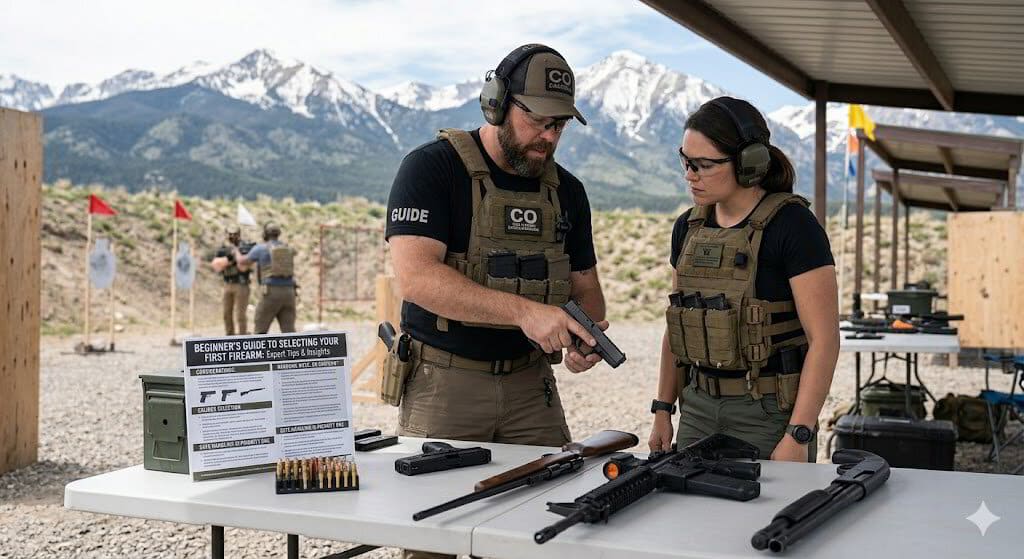
Selecting your first firearm represents a significant decision that requires careful consideration,
education, and professional guidance. This beginner's guide to selecting your first firearm will
provide you with essential knowledge to make an informed choice that aligns with your specific
needs, circumstances, and legal requirements.
The importance of choosing the right firearm cannot be overstated. Your selection will impact
your safety, effectiveness, and overall experience with firearm ownership. Whether you're
considering a firearm for self-defense, recreational shooting, or sport, understanding the
fundamental principles of selection ensures you invest in equipment that serves you well for
years to come.
This comprehensive guide covers everything from understanding your specific needs to
navigating Colorado's legal requirements. We'll explore different firearm types, essential factors
for consideration, safety protocols, and the critical importance of proper training. By following
this structured approach, you'll develop the confidence and knowledge necessary to make a
responsible, informed decision about your first firearm purchase.
Understanding Your Needs
Before exploring specific firearm options, you must clearly define your intended purpose for
firearm ownership. Self-defense represents the most common motivation for first-time buyers,
whether for home protection or personal carry. Sport shooting, including target practice and
competitive shooting, requires different considerations than defensive applications. Hunting
demands specific firearm characteristics based on your intended game and hunting environment.
Understanding Colorado's firearm laws and regulations is essential before making any purchase
decisions. Colorado requires background checks for all firearm sales, including private
transactions. The state permits concealed carry with proper licensing, but specific restrictions
apply to certain locations and circumstances. Colorado has no waiting period for firearm
purchases, but you must be 18 years old for rifle or shotgun purchases and 21 for handguns.
Consider your living situation and storage capabilities when determining your needs. Apartment
dwellers face different considerations than homeowners with secure storage areas. Your physical capabilities, experience level, and comfort with different firearm types should influence your
decision. Additionally, factor in your budget for not only the firearm itself but also ammunition,
training, storage solutions, and ongoing maintenance costs. These preliminary considerations
form the foundation for making an appropriate selection.
Types of Firearms
Understanding the three primary firearm categories helps narrow your selection based on
intended use and personal preferences. Handguns offer portability and convenience, making
them popular choices for self-defense and concealed carry applications. Within handguns,
you'll choose between revolvers and semi-automatic pistols, each offering distinct advantages.
Revolvers feature a rotating cylinder holding typically five to eight cartridges. They're
mechanically simpler, generally more reliable, and easier to operate for beginners. Revolvers
rarely malfunction and require minimal maintenance. However, they offer limited ammunition
capacity and slower reloading compared to semi-automatics. Semi-automatic pistols use
magazines holding anywhere from six to twenty or more cartridges. They provide faster
reloading, higher capacity, and often better ergonomics for extended shooting sessions.
Rifles excel in accuracy and range, making them ideal for hunting, sport shooting, and certain
defensive applications. Bolt-action rifles offer exceptional accuracy but slower follow-up shots.
Semi-automatic rifles provide faster shooting capabilities while maintaining good accuracy.
Lever-action rifles combine traditional aesthetics with reliable function.
Shotguns deliver devastating close-range effectiveness, making them excellent for home
defense and hunting applications. They fire multiple projectiles simultaneously, increasing hit
probability at close distances. However, shotguns produce significant recoil and are less
suitable for concealed carry due to their size. Pump-action shotguns are reliable and affordable,
while semi-automatic shotguns offer faster follow-up shots. Break-action shotguns provide
simplicity and safety but limit capacity to one or two shots.
Factors to Consider When Choosing a Firearm
Caliber selection significantly impacts your firearm's performance, recoil, ammunition cost, and
availability. Popular handgun calibers for beginners include .22 LR for minimal recoil and
affordable practice, 9mm for balanced performance and manageable recoil, and .38 Special for
reliable stopping power in revolvers. Larger calibers like .40 S&W and .45 ACP offer increased
stopping power but generate more recoil and cost more to shoot regularly.
Ergonomics and proper fit are crucial for safety, accuracy, and comfort. Visit a reputable firearms
dealer to handle different options before making decisions. Consider grip size, trigger reach,
sight alignment, and overall balance. Your hands should comfortably reach all controls without
stretching or straining. The firearm should point naturally when you bring it to shooting position.
Weight affects both carrying comfort and shooting stability – lighter firearms are easier to carry
but may be more difficult to control during rapid fire.
Budget considerations extend beyond the initial purchase price. Factor in costs for ammunition,
training courses, storage solutions, cleaning supplies, and accessories like holsters or cases.
Quality firearms from reputable manufacturers typically cost more initially but offer better
reliability, accuracy, and resale value. Avoid extremely cheap firearms that may compromise
safety or performance. Consider starting with a moderately priced, well-reviewed option from
established manufacturers. Remember that investing in proper training and ammunition for
practice often provides better value than purchasing the most expensive firearm available. Plan to
spend as much on training and ammunition as you do on the firearm itself during your first year
of ownership.
Safety First: Training and Education
Professional firearm training forms the cornerstone of responsible ownership and safe handling
practices. Gun safety for beginners requires structured learning that covers fundamental safety
rules, proper handling techniques, and emergency procedures. The four fundamental safety
rules – treat every firearm as loaded, never point at anything you don't intend to destroy, keep
your finger off the trigger until ready to shoot, and identify your target and what's beyond it – must
become automatic responses.
Colorado Boots Firearms Instruction offers comprehensive training programs designed
specifically for new firearm owners. Our NRA Basic Pistol Course provides essential foundation
knowledge covering firearm safety, operation, ammunition, shooting fundamentals, and storage.
The Handgun Fundamentals Course focuses on practical skills development, while our Kids
Firearm Safety Class ensures younger family members understand proper safety protocols. For
those considering concealed carry, our Colorado Concealed Carry License Training covers legal requirements, situational awareness, and defensive shooting principles.
Assessing your training needs depends on your experience level and intended firearm use.
Complete beginners benefit most from comprehensive basic courses covering safety, operation,
and fundamental shooting skills. Those with some experience might focus on specific applications
like concealed carry or advanced shooting techniques. Personalized coaching sessions allow
customized instruction addressing individual needs and concerns. Regular ongoing training
maintains and improves skills while reinforcing safety habits. Consider your training an investment
in safety and competence rather than an optional expense.
Informed Purchasing Decisions
Choosing where to purchase your first firearm significantly impacts your experience and legal
compliance. Licensed firearms dealers provide professional service, legal compliance assurance,
and often valuable advice for new buyers. They handle all required paperwork, conduct
background checks, and ensure transactions meet federal and state requirements. Many dealers
offer basic instruction and can recommend local training resources.
Understanding background check requirements prevents delays and complications during
purchase. The National Instant Criminal Background Check System (NICS) requires personal
information including full legal name, address, and identification. Certain disqualifying factors
prevent firearm purchases, including felony convictions, domestic violence restraining orders,
and specific mental health adjudications. Colorado requires background checks for all sales,
including private transactions, which must occur through licensed dealers.
Proper storage and safety accessories are essential purchases accompanying your firearm.
Gun safes protect against unauthorized access while preserving your investment. Trigger locks
provide additional safety layers, particularly important in households with children. Quality
holsters ensure safe carrying and quick access when needed. Cleaning supplies maintain
firearm function and longevity. Consider these accessories part of your initial investment rather
than optional additions. Research storage requirements if you live in households with prohibited
persons who cannot legally access firearms.
Next Steps After Purchasing
Colorado doesn't require firearm registration, but maintaining proper documentation protects your
investment and proves legal ownership. Keep purchase receipts, warranty information, and serial
number records in secure locations separate from the firearm itself. Some insurance policies
cover firearms, while others require specific riders for full protection. Consider documenting your
firearm's condition and value for insurance purposes.
Selecting appropriate holsters and storage solutions depends on your intended use and carrying preferences. Inside-the-waistband holsters provide concealment for everyday carry, while
outside-the-waistband options offer easier access and comfort. Holster quality directly impacts
safety – invest in well-made holsters from reputable manufacturers that completely cover the
trigger guard and provide secure retention. Colorado Boots offers a Choosing the Holster Course
specifically addressing selection criteria and proper use.
Ongoing training and skills improvement separate responsible owners from those who simply
possess firearms. Regular practice maintains proficiency while building confidence and
competence. Consider advanced courses like our Advanced Handgun Shooting Techniques or
Advanced Pistol Course as your skills develop. Competitive shooting provides motivation for
continued improvement while connecting you with experienced shooters. Defensive shooting
courses address real-world scenarios and decision-making under stress. Schedule regular
training sessions to maintain and improve your abilities rather than allowing skills to deteriorate
over time. Join local shooting clubs or organizations that provide ongoing education and social
connections with fellow enthusiasts.
Conclusion
This beginner's guide to selecting your first firearm has covered the essential elements for
making an informed, responsible decision about firearm ownership. From understanding your
specific needs and Colorado's legal requirements to exploring firearm types and critical selection
factors, you now possess the foundational knowledge necessary for confident decision-making.
Remember that firearm selection represents just the beginning of your ownership journey. Proper
training, ongoing education, and consistent practice are essential components of responsible
ownership. Safety must remain your primary consideration throughout every aspect of firearm
ownership, from initial selection through daily handling and storage.
The investment in quality training pays dividends in safety, competence, and confidence that last
throughout your ownership experience. Professional instruction provides structured learning that
self-teaching cannot match, while connecting you with experienced instructors who can guide
your development as a responsible firearm owner.
Ready to start your firearm ownership journey with confidence?
Colorado Boots Firearms Instruction offers comprehensive training programs designed
specifically for beginners. From our NRA Basic Pistol Course to personalized coaching sessions,
we provide the professional education you need for safe, responsible ownership. Contact us at
719-782-8793 or visit https://coloradobootsfirearmsinstruction.com/ to explore our complete
range of courses and schedule your training today.
Tags: First-Time Firearm, Firearm Basics, Gun Selection Tips
Latest Blog & Articles
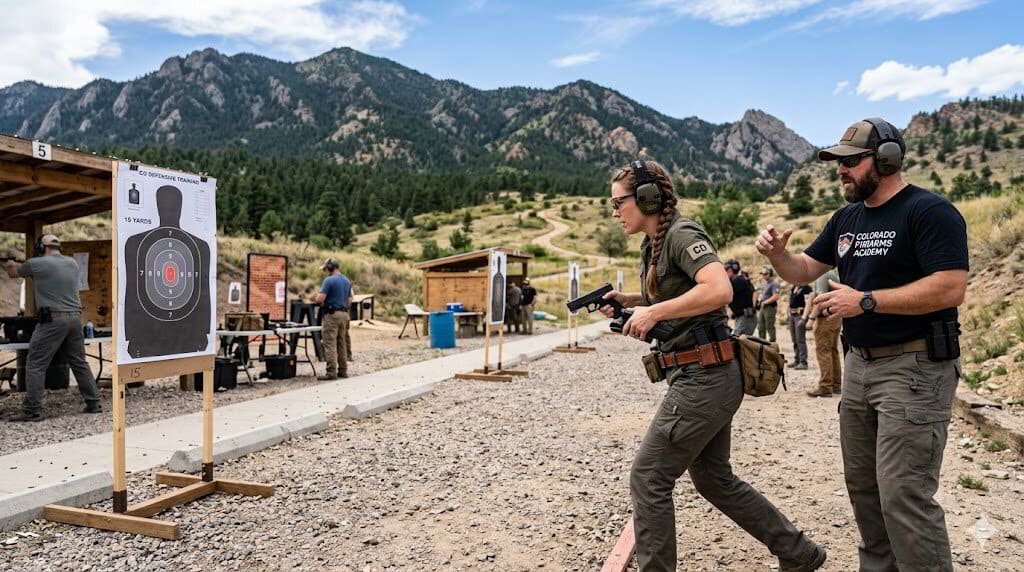
The Ultimate Guide to Defensive Handgun Training in Colorado
In an increasingly uncertain world, mastering defensive handgun training is essential for responsible gun ownership and personal safety. Co…
Read more →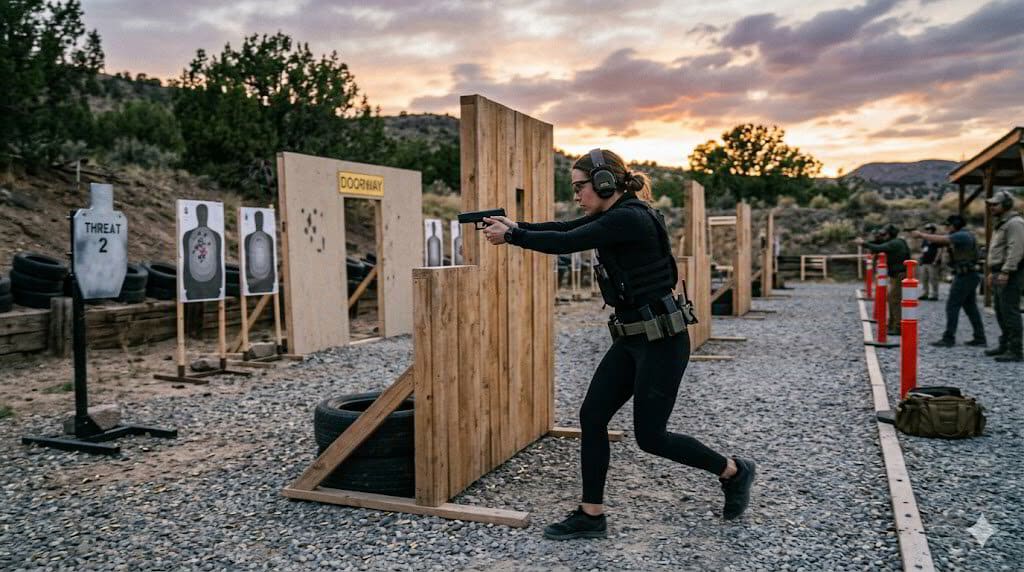
Best Practices for Defensive Handgun Training: A Comprehensive Guide
In a world where personal safety is increasingly vital, mastering defensive handgun training is essential for anyone considering firearm ow…
Read more →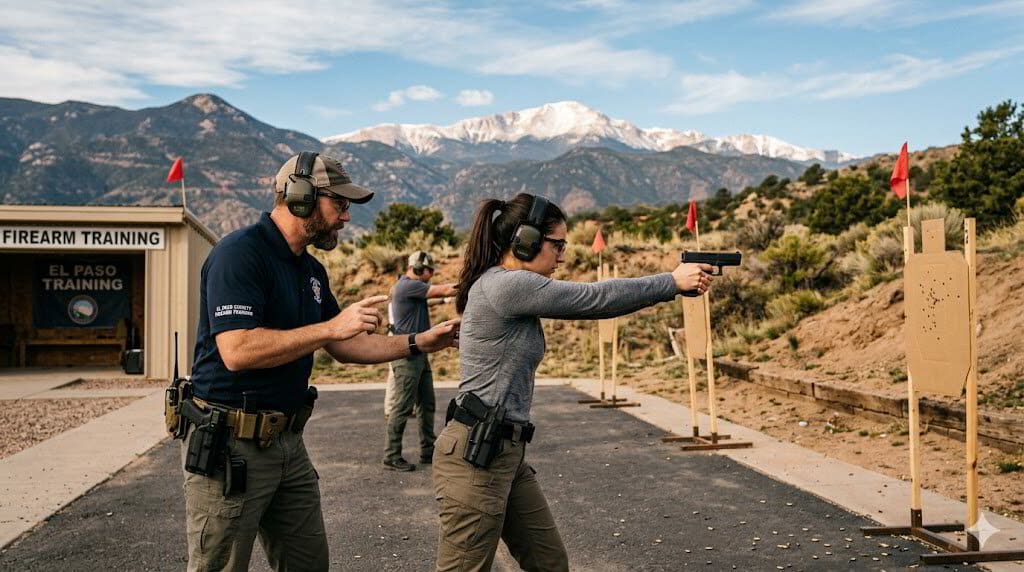
The Ultimate Guide to Firearm Training Courses in El Paso County, Colorado
In an age where firearm safety and education are paramount, Colorado Boots is proud to provide the definitive guide to firearm training cou…
Read more →