
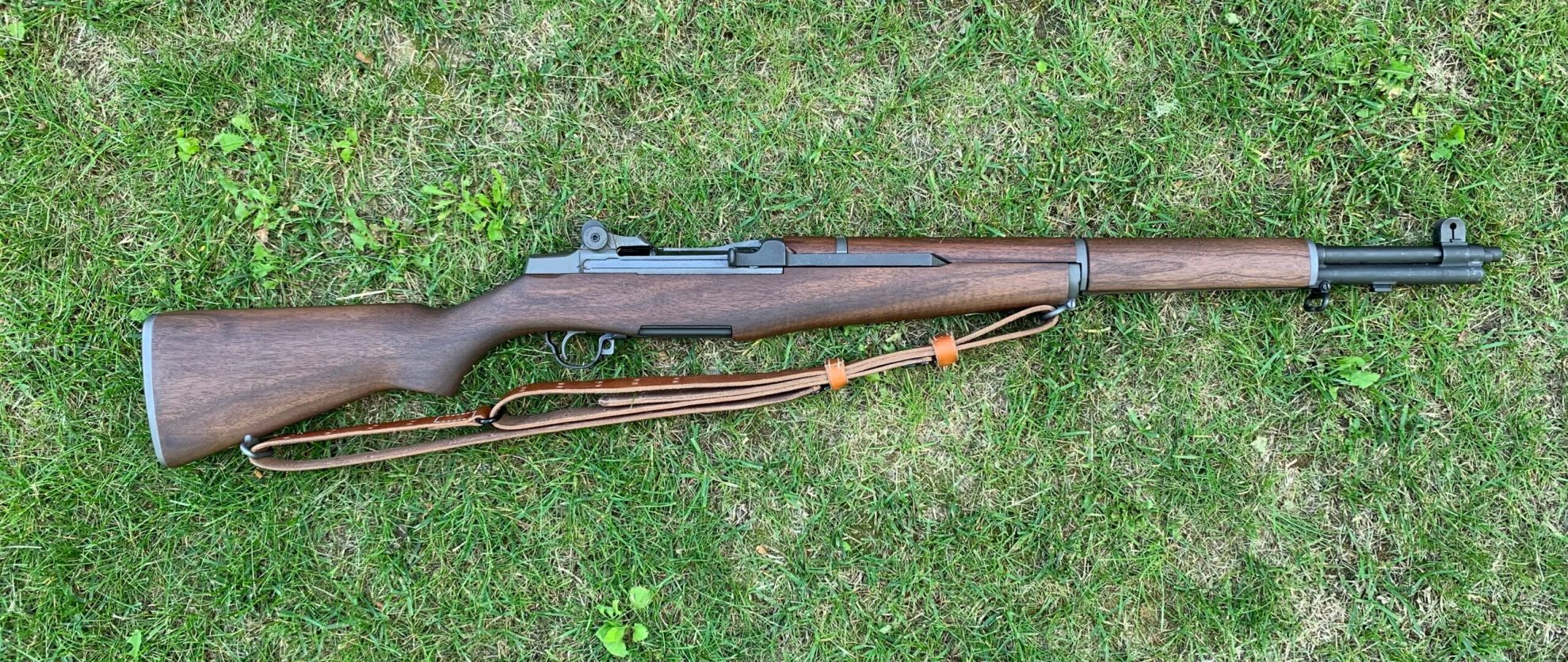


Photo source: outdoorlife.com, machinegunamericaorlando.com, denix.es
M1 Garand
M1 Garand rifle in .30-06 Springfield: specs, history, ammo and Colorado legal notes from the CO Boots gun library. Want hands-on time with a firearm like the M1 Garand? Our certified instructors cover safe handling, operation and marksmanship in every firearms training class.
| Library ID | GT-342 |
|---|---|
| Manufacturer | Springfield Armory |
| Type | Rifle |
| Caliber | .30-06 Springfield |
| Action | Semi-automatic |
| Barrel Length | 24 inches (610 mm) |
| Country of Origin | United States |
| Year of Production | 1936 |
| Production Status | Discontinued |
| Typical Users | Military, Civilians |
| Rating | 4.6 |
M1 Garand: Technical Specifications
The M1 Garand is a semi-automatic rifle designed by John Garand, serving as the standard U.S. service rifle during World War II and the Korean War.
Caliber: .30-06 Springfield
Barrel Length: 24 inches
Weight: Approximately 9.5 pounds (unloaded)
Overall Length: 43.6 inches
Magazine Capacity: 8-round en-bloc clip
Material: The receiver is typically made of steel, with a hardwood stock (often walnut) and handguard.
Unique Features:
- Gas-operated action: Utilizes a gas port to cycle the action, allowing for semi-automatic fire.
- En-bloc clip system: The magazine is a metal clip that holds 8 rounds and is ejected when empty, allowing for quick reloading.
- Rifling: 4-groove barrel with a right-hand twist, enhancing accuracy.
The M1 Garand is renowned for its reliability, accuracy, and robust construction, making it a significant advancement in military firearms technology at the time.
M1 Garand: Performance Characteristics
The M1 Garand, a semi-automatic rifle adopted by the U.S. military in 1936, is renowned for its accuracy and reliability. Chambered in .30-06 Springfield, it boasts an effective range of about 500 yards, with a maximum range of over 3,000 yards. The rifle’s accuracy is enhanced by its 24-inch barrel and robust sights, achieving sub-MOA performance in skilled hands.
Reliability is a hallmark, functioning effectively in diverse conditions, though it can be sensitive to ammunition quality. The M1 Garand has a cyclic rate of fire of approximately 40-50 rounds per minute, dependent on the shooter. Handling is generally favorable, with a weight of about 9.5 lbs contributing to stability, but it can feel cumbersome compared to modern rifles. The en-bloc clip system allows for quick reloading, though it requires practice. Overall, the M1 Garand remains respected for its balance of firepower, accuracy, and ruggedness, epitomizing U.S. military firepower during its service.
M1 Garand: Design Features
The M1 Garand, designed by John Garand in the 1930s, is a semi-automatic rifle renowned for its robust construction and innovative design. Ergonomically, it features a wooden stock with a comfortable pistol grip and a straight comb, allowing for a natural alignment when shouldered. The rifle has a weight of about 9.5 pounds, offering stability during firing.
Safety mechanisms include a manual safety lever located at the rear of the trigger guard, preventing accidental discharge. The rifle's aesthetic design showcases a classic military style with a polished walnut stock and a blued finish, giving it an elegant yet utilitarian appearance.
Innovative features include its gas-operated, rotating bolt action, which allows for faster follow-up shots compared to bolt-action rifles. The M1 Garand uses an 8-round en-bloc clip, which ejects automatically after the last round, enhancing reloading efficiency. Its combination of reliability, accuracy, and historical significance has made it an icon in firearm design.
M1 Garand: Historical Context
The M1 Garand, developed by John C. Garand in the 1930s, was the first standard-issue semi-automatic rifle for the U.S. military. Its design was finalized in 1936, and it became the primary infantry weapon during World War II, replacing the bolt-action Springfield M1903. The M1 Garand’s gas-operated mechanism allowed for faster follow-up shots, significantly enhancing combat effectiveness.
Key milestones include its adoption in 1936, production ramping up during WWII, and its use in the Korean War. Approximately 6 million units were produced, making it a staple for U.S. forces.
The rifle's design influenced future firearm development, promoting the semi-automatic concept in military rifles, leading directly to the M14 and later the M16. Its reliability and accuracy earned it a reputation as one of the finest military rifles of its time, cementing its legacy in firearm history. The M1 Garand remains a symbol of American military prowess and innovation.
M1 Garand: User Experience
The M1 Garand, a semi-automatic rifle developed in the 1930s, is praised for its historical significance and reliability. Users appreciate its robust construction and accuracy, making it a favored choice among military enthusiasts and collectors. The rifle’s weight, approximately 9.5 lbs, can be a concern for some, especially during extended use, leading to fatigue. However, many find the wooden stock comfortable to hold, contributing to a positive shooting experience.
Ease of use is generally good, with a straightforward loading process using en-bloc clips, though some novices may require practice to become proficient. Users often commend its durability, reporting that well-maintained models can function effectively even after decades of use.
Common complaints include the rifle's recoil, which can be significant for shooters unaccustomed to larger calibers. Additionally, some users note that maintenance can be labor-intensive. Overall, the M1 Garand is celebrated for its historical legacy, reliability, and shooting performance, despite a few ergonomic drawbacks.
M1 Garand: Ammunition Information
The M1 Garand, a semi-automatic rifle used during World War II and the Korean War, primarily utilizes .30-06 Springfield ammunition, a caliber renowned for its versatility and effectiveness. The standard military load features a 150 to 180 grain full metal jacket (FMJ) bullet, but there are also options for soft point and hollow point projectiles for hunting and match shooting.
The M1 Garand is specifically designed for .30-06 ammunition, and while other brands like Hornady, Federal, and Winchester produce compatible rounds, it’s critical to avoid using commercial ammunition loaded with bullets heavier than 180 grains due to potential cycling issues.
For optimal performance, especially in competitive settings, match-grade ammunition like the Federal Gold Medal or Hornady Match is recommended. Additionally, the use of en-bloc clips is essential for loading, ensuring smooth operation of the feeding mechanism. Properly maintained, the M1 Garand delivers exceptional accuracy and reliability with the right ammunition.
M1 Garand: Usage Tips and Best Practices
M1 Garand Usage Tips and Best Practices
Cleaning & Maintenance:
1. Regular Cleaning: Clean after every use. Use a rod with patches and solvent to clean the bore. Ensure the chamber is free of debris.
2. Lubrication: Apply a light coat of gun oil to moving parts, especially the op rod and bolt. Avoid excess oil.
3. Inspect Parts: Regularly check for wear on the op rod, springs, and trigger assembly. Replace parts as needed.
Shooting Tips:
1. Stance & Grip: Use a stable shooting stance. Keep a firm grip on the rifle to manage recoil.
2. Aiming: Focus on the front sight. The M1 has a distinctive sight picture; practice to improve accuracy.
3. Loading: Use en-bloc clips for smooth loading. Practice loading quickly without rushing.
Common Mistakes:
1. Over-lubrication: Excess oil can attract dirt and cause malfunctions.
2. Neglecting the Gas System: Ensure the gas port and cylinder are clean to prevent cycling issues.
3. Improper Handling: Avoid dropping the rifle; the stock and internal components can be damaged.
Legal Considerations in Colorado
The M1 Garand, a semi-automatic rifle originally used by the U.S. military, is classified as a firearm under federal law. As of October 2023, it is legal for civilian ownership in most states, given it was manufactured before 1986 and is not classified as an assault weapon under federal law.
State regulations vary significantly: some states, like California and New York, impose strict regulations or bans on semi-automatic rifles, while others, like Texas, have few restrictions.
Key legal cases involving the M1 Garand include United States v. Miller (1939), which upheld the National Firearms Act and discussed the relationship between firearms and militia use. Additionally, state-level cases often examine the legality of modifications and magazine capacities.
Always check local laws, as they can change frequently, and consult legal experts for specific guidance.
M1 Garand: Reviews and Ratings
User reviews for the M1 Garand generally highlight its reliability and accuracy as standout features. Many owners praise the rifle’s robust construction and dependable performance, often noting that it functions well even after extensive use. Accuracy is frequently mentioned, with users appreciating its precision at various ranges, making it a favorite for both target shooting and historical reenactments.
However, some reviews point out challenges related to the weight of the rifle, which can be cumbersome for extended periods. Customer service experiences vary, with some users reporting positive interactions when sourcing parts or seeking assistance, while others encountered delays or unresponsive support.
Overall satisfaction is high, with many users expressing pride in owning a piece of history, valuing the M1 Garand for its historical significance and military heritage. The combination of reliability, accuracy, and historical value fosters strong loyalty among enthusiasts and collectors.
M1 Garand: Appearances in Media
The M1 Garand, a semi-automatic rifle widely used during World War II and the Korean War, has made numerous appearances in various movies, TV shows, and video games. Here’s a brief list:
Movies:
1. Saving Private Ryan (1998) - The M1 Garand is prominently featured as the standard issue rifle for American soldiers during World War II.
2. Band of Brothers (2001) - This miniseries depicts the experiences of Easy Company during WWII, featuring the M1 Garand as a key weapon.
3. Flags of Our Fathers (2006) - The film about the Battle of Iwo Jima includes scenes where soldiers use the M1 Garand.
4. Full Metal Jacket (1987) - While primarily featuring the M16, some scenes depict the M1 Garand as a historical reference to earlier conflicts.
5. The Pacific (2010) - This miniseries, like Band of Brothers, showcases the M1 Garand in the context of the Pacific Theater during WWII.
TV Shows:
1. Combat! (1962-1967) - A series set in WWII that features the M1 Garand as the primary weapon of American soldiers.
2. MAS*H (1972-1983) - While primarily a comedy, the show features flashbacks and scenes that include the M1 Garand.
3. The Vietnam War (2017) - This documentary series covers the conflict and includes historical footage of soldiers using the M1 Garand.
Video Games:
1. Call of Duty series - The M1 Garand appears in multiple titles, including Call of Duty, Call of Duty: World at War, and Call of Duty: WWII.
2. Battlefield V - Set in WWII, the game features the M1 Garand among its weapons.
3. Medal of Honor series - The M1 Garand is featured in several games within this franchise, particularly those set during WWII.
4. World of Tanks - The M1 Garand is available as part of certain American tank crews.
5. Post Scriptum - A World War II simulation game featuring the M1 Garand as a primary weapon for American forces.
These examples illustrate the M1 Garand's prominent place in media depicting military history, particularly concerning World War
Related Firearms in the Library

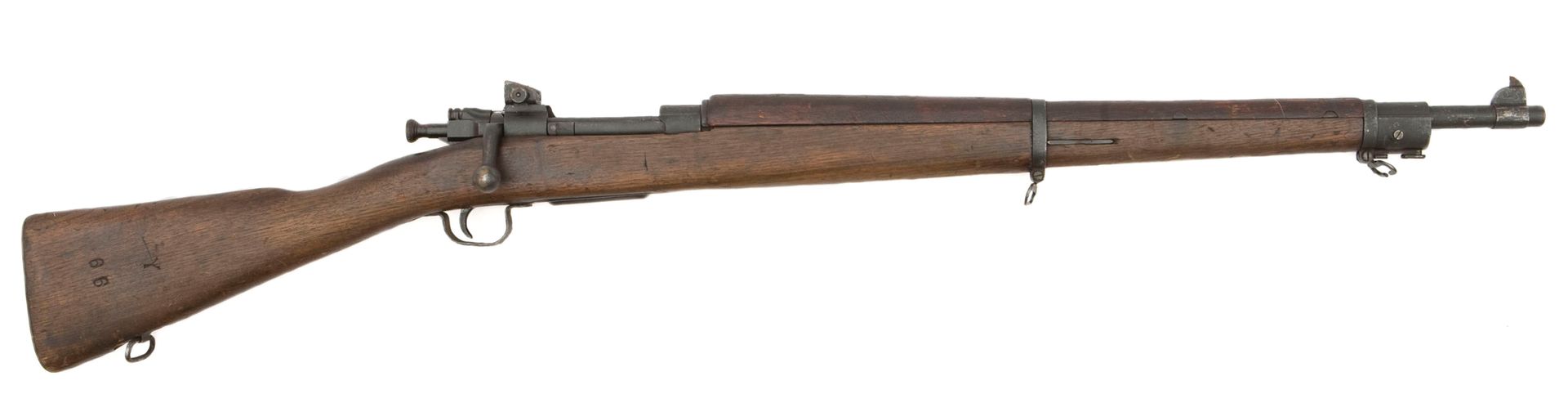
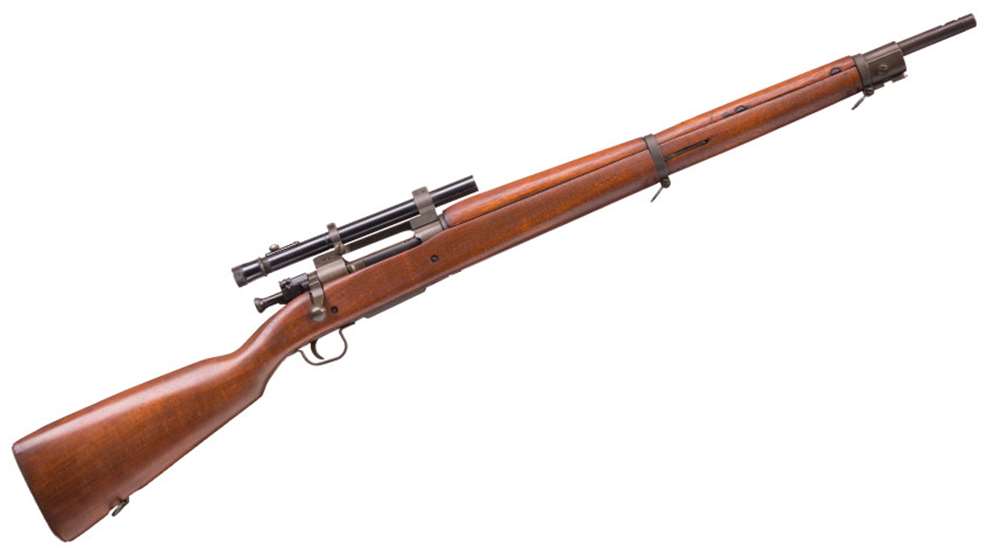



More Rifle firearmsMore Springfield Armory manufacturer firearmsMore .30-06 Springfield caliber firearmsMore United States country firearmsBrowse all firearms