


Photo source: static.wikia.nocookie.net, cdn.rockislandauction.com
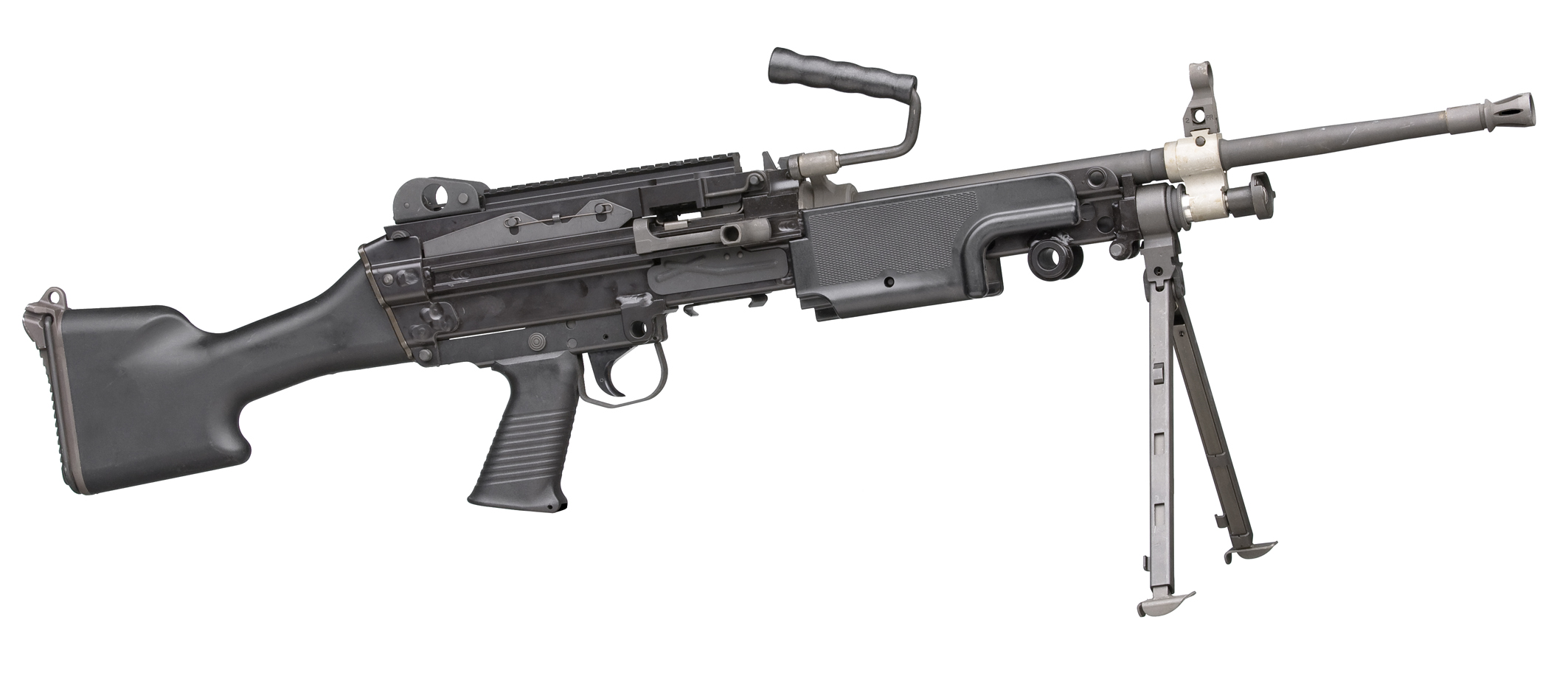
Type 99 LMG
Type 99 LMG light machine gun in 7.7×58mm Arisaka: specs, history, ammo and Colorado legal notes from the CO Boots gun library. Want hands-on time with a firearm like the Type 99 LMG? Our certified instructors cover safe handling, operation and marksmanship in every firearms training class.
| Library ID | GT-754 |
|---|---|
| Manufacturer | Arisaka |
| Type | Light Machine Gun |
| Caliber | 7.7×58mm Arisaka |
| Action | Gas-operated |
| Barrel Length | 520 mm |
| Country of Origin | Japan |
| Year of Production | 1939 |
| Production Status | Discontinued |
| Typical Users | Military |
| Rating | 4.2 |
Type 99 LMG: Technical Specifications
The Type 99 Light Machine Gun (LMG), developed by Japan during World War II, is renowned for its robust design and effective performance. It is chambered in 7.7×58mm Arisaka caliber, offering significant firepower. The barrel length measures approximately 600 mm (23.6 inches), optimizing accuracy and range.
Weighing around 10 kg (22 lbs), the Type 99 is relatively portable for a machine gun, facilitating infantry use. The construction primarily utilizes steel and aluminum, ensuring durability while keeping weight manageable.
A notable engineering aspect is its gas-operated, rotating bolt mechanism, which enhances reliability in various conditions. The Type 99 features a top-mounted feed system using 30-round box magazines, allowing for sustained fire. Additionally, it has a bipod for stabilization during firing and can be fitted with a detachable barrel for easier maintenance. The Type 99's design reflects the need for a dependable light support weapon in the field.
Type 99 LMG: Performance Characteristics
The Type 99 Light Machine Gun (LMG), adopted by the Imperial Japanese Army during World War II, is known for its unique design and operational characteristics.
Accuracy: The Type 99 features a 7.7×58mm Arisaka cartridge, offering effective range up to 800 meters. Its accuracy is decent for an LMG, with a reliable sighting system, though the heavy recoil can affect sustained fire precision.
Reliability: The Type 99 is generally reliable, functioning well in various conditions but can be sensitive to dirt and debris due to its gas-operated mechanism.
Handling: Weighing around 10 kg, it is relatively portable for a machine gun. The design allows for easy maneuverability, though its bipod can limit stability on uneven terrain.
Rate of Fire: It has a cyclic rate of fire of approximately 500-600 rounds per minute, allowing for effective suppression.
Other Metrics: The ammunition capacity is typically 30 rounds per belt, and the gun’s ergonomic design facilitates ease of use, although its fixed wooden stock can be cumbersome for some shooters. Overall, the Type 99
Type 99 LMG: Design Features
The Type 99 Light Machine Gun (LMG), developed by Japan during World War II, showcases several distinct design features.
Ergonomics: The Type 99 is designed for ease of use, featuring a pistol grip that allows for better control during sustained fire. Its adjustable bipod enhances stability, while the lightweight construction facilitates maneuverability.
Safety Mechanisms: The Type 99 incorporates a manual safety lever located on the left side, which blocks the trigger to prevent accidental discharges. This feature is crucial for a weapon intended for both infantry and support roles.
Aesthetic Design: The Type 99 has a utilitarian aesthetic, characterized by its robust, angular receiver and distinctive wooden stock. The gun's finish typically includes a blued or parkerized surface, providing corrosion resistance.
Innovative Features: Notably, the Type 99 employs a quick-change barrel system, allowing for rapid replacement during prolonged engagements. Additionally, it fires the 7.7×58mm Arisaka cartridge, providing effective firepower for its class.
Type 99 LMG: Historical Context
The Type 99 Light Machine Gun (LMG) was developed in Japan during the late 1930s, officially adopted by the Imperial Japanese Army in 1939. It was designed to replace the earlier Type 96 LMG, with improvements in caliber and functionality, utilizing the 7.7x58mm Arisaka cartridge, which was standard for Japanese infantry weapons.
Key milestones include its introduction during the Second Sino-Japanese War, where it saw extensive combat, and later in World War II, where it was used in various theaters, including the Pacific. The Type 99 was known for its reliability and versatility but was often criticized for its weight and complexity.
Its design influenced post-war Japanese firearms and contributed to the development of machine guns in other nations. The Type 99 LMG exemplified the shift towards more effective light support weapons, impacting military tactics and infantry operations in the mid-20th century. Its legacy continues to be studied in the evolution of small arms design.
Type 99 LMG: User Experience
The Type 99 Light Machine Gun (LMG) is generally noted for its robust construction and reliable performance. Users appreciate its solid build, which contributes to its durability under various conditions. The weapon features a relatively comfortable shoulder stock and ergonomic design, allowing for extended use without excessive fatigue.
In terms of ease of use, the Type 99 is praised for its straightforward operation, though some users mention the weight can be a factor in maneuverability during prolonged engagements. The feed system, while effective, can occasionally lead to jams, which is a common complaint.
On the positive side, users commend its accuracy and fire rate, making it effective in suppressive fire roles. However, some feedback highlights the need for improvements in the bipod stability and overall handling in tight spaces. Overall, the Type 99 LMG is viewed as a dependable weapon with minor drawbacks that can be managed with experience.
Type 99 LMG: Ammunition Information
The Type 99 Light Machine Gun (LMG), used by the Imperial Japanese Army during World War II, primarily fires the 7.7×58mm Arisaka cartridge. This caliber was developed for the Type 99 rifle and shares compatibility with other Arisaka models. The ammunition features a rimless design, with a bullet weight typically around 150 grains (9.7 g), and can be found in various types, including full metal jacket (FMJ) for standard use, armor-piercing (AP) for enhanced penetration, and tracer rounds for visibility in low-light conditions.
While the Type 99 LMG was designed for optimal performance with standard military-grade ammunition, some users have reported success with commercially available 7.7mm cartridges from compatible brands. However, it’s crucial to ensure that the ammunition is loaded to the correct specifications to prevent malfunctions. For optimal performance, high-quality, military-grade FMJ ammunition is recommended, ensuring reliability and accuracy in combat situations.
Type 99 LMG: Usage Tips and Best Practices
The Type 99 LMG, known for its reliability, requires regular cleaning and maintenance. After each use, disassemble the firearm and clean the barrel using a rod and patches to prevent fouling. Lubricate moving parts with a light gun oil, avoiding excess that can attract dirt.
When shooting, ensure a firm grip and proper stance to manage recoil effectively. Use the bipod for stability, especially in sustained fire scenarios. Practice controlled bursts to maintain accuracy and prevent overheating.
Common mistakes include neglecting to check the feed system for jams and failing to adjust the sights before shooting. Always ensure the weapon is clear before maintenance. Avoid using improper ammunition, as it can lead to malfunctions. Regularly inspect the belt feed mechanism and replace worn parts promptly to ensure optimal performance. Always adhere to safety protocols, including wearing eye and ear protection.
Legal Considerations in Colorado
The Type 99 Light Machine Gun (LMG), a Japanese military firearm from World War II, is classified under the National Firearms Act (NFA) in the U.S. as a machine gun due to its automatic firing capability. As such, it is heavily restricted for civilian ownership. Individuals must undergo rigorous background checks, pay a tax, and register the firearm with the Bureau of Alcohol, Tobacco, Firearms and Explosives (ATF).
Civilian ownership is legal in many states, but regulations vary significantly. Some states outright ban machine guns, while others allow them under strict licensing. Notable cases involving NFA firearms include United States v. Miller (1939), which upheld the regulation of machine guns under the NFA. In general, the Type 99 LMG is mainly found in military collections, museums, or with licensed collectors due to its historical significance and strict regulatory environment. Always consult local laws for specific guidance.
Type 99 LMG: Reviews and Ratings
User reviews for the Type 99 LMG generally highlight its reliability and accuracy, with many users praising its consistent performance in various conditions. Reviewers often note that the firearm functions well with minimal jams or malfunctions, making it suitable for both recreational shooting and competitive use. However, some users mention a learning curve due to its weight and handling, which may require practice to master.
Customer service experiences are mixed; while some users report prompt and helpful support, others express frustration with delayed responses or difficulty obtaining replacement parts. Overall satisfaction appears high, with many users emphasizing the Type 99's solid construction and effective range. A recurring theme is the value for money, as many feel it offers outstanding performance for its price point. Users appreciate its historical significance and design, contributing to a sense of pride in ownership.
Type 99 LMG: Appearances in Media
The Type 99 Light Machine Gun has appeared in various movies, TV shows, and video games. Here’s a brief list:
Movies:
1. "The Thin Red Line" (1998) - This war film set during World War II features the Type 99 LMG as part of the Japanese arsenal.
2. "Letters from Iwo Jima" (2006) - The film depicts the Battle of Iwo Jima from the Japanese perspective and includes the Type 99 LMG.
TV Shows:
1. "Band of Brothers" (2001) - This acclaimed miniseries set during World War II features various firearms, including the Type 99 LMG.
2. "The Pacific" (2010) - Another miniseries focusing on the Pacific theater of World War II, which features the Type 99 LMG in combat scenes.
Video Games:
1. "Call of Duty: World at War" (2008) - The Type 99 LMG is featured in this game set during World War II.
2. "Battlefield V" (2018) - The game includes the Type 99 LMG among its various World War II weapons.
3. "War Thunder" (2012) - This military vehicle combat game features the Type 99 LMG as part of its Japanese weaponry.
These examples highlight the Type 99 LMG's representation in various media, particularly in contexts related to World War II.
Related Firearms in the Library



More Light Machine Gun firearmsMore Japan country firearmsBrowse all firearms