


Photo source: imfdb.org, static.wikia.nocookie.net, 64.media.tumblr.com
Type 92 (Japanese HMG)
Type 92 (Japanese HMG) machine gun in 7.7 mm: specs, history, ammo and Colorado legal notes from the CO Boots gun library. Want hands-on time with a firearm like the Type 92 (Japanese HMG)? Our certified instructors cover safe handling, operation and marksmanship in every firearms training class.
| Library ID | GT-752 |
|---|---|
| Manufacturer | Kawasaki |
| Type | Machine Gun |
| Caliber | 7.7 mm |
| Action | Belt-fed automatic |
| Barrel Length | 600 mm |
| Country of Origin | Japan |
| Year of Production | 1932 |
| Production Status | Discontinued |
| Typical Users | Military |
| Rating | 4.0 |
Type 92 (Japanese HMG): Technical Specifications
The Type 92 heavy machine gun, developed by Japan in the 1930s, is a prominent firearm known for its reliability and firepower.
Caliber: The Type 92 fires the 7.7×58mm Arisaka cartridge, providing significant stopping power.
Barrel Length: The barrel measures approximately 650 mm (25.6 inches), which contributes to its accuracy and range.
Weight: The weapon weighs around 31 kg (68 lbs) when fully equipped, making it a relatively heavy machine gun suited for fixed positions or vehicle mounting.
Material: Constructed primarily from high-quality steel, the Type 92 features a combination of machined and stamped components, enhancing durability while keeping production costs manageable.
Unique Engineering Aspects: One of its notable features is the use of a distinctive recoil-operated mechanism, which allows for sustained fire. It also has a water-cooled barrel, enabling prolonged firing without overheating. The Type 92's versatility allowed it to be mounted on various platforms, including vehicles and aircraft.
Type 92 (Japanese HMG): Performance Characteristics
The Type 92 Heavy Machine Gun, introduced by Japan in the 1930s, is a water-cooled, belt-fed firearm designed for sustained fire support.
Accuracy: The Type 92 has a maximum effective range of around 1,500 meters, with a high degree of accuracy at mid-range, benefiting from its heavy barrel which minimizes heat distortion.
Reliability: Known for its robust construction, the Type 92 performs well in various conditions, though its water cooling system requires maintenance and can limit mobility in the field.
Handling: Weighing approximately 40 kg, it is cumbersome for individual use but stable when mounted. The gun's design allows for easy operation by a crew, facilitating effective teamwork.
Rate of Fire: The Type 92 has a cyclic rate of fire of 600 rounds per minute, allowing for sustained fire, although this can lead to overheating when not properly managed.
Overall, the Type 92 is respected for its firepower and effectiveness in defensive and offensive roles during its operational period.
Type 92 (Japanese HMG): Design Features
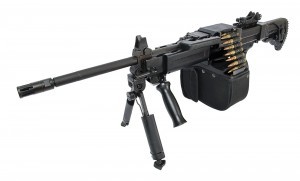
The Type 92 Heavy Machine Gun, developed by Japan in the 1930s, exhibits a robust and utilitarian design. Ergonomically, it features a bipod for stability and a distinctive, large water jacket around the barrel for cooling during prolonged fire. The gun is fed by a cloth belt, allowing for a continuous supply of ammunition, enhancing operational efficiency.
Safety mechanisms include a manual safety lever to prevent accidental discharges and a trigger design that minimizes unintended firing. The aesthetically functional design prioritizes practicality over embellishments, with a matte finish that minimizes glare.
Innovative features include a quick-change barrel system, enabling rapid swaps in the field to maintain sustained fire capability. The Type 92 also utilizes a unique, adjustable rear sight for improved accuracy. Overall, its design emphasizes reliability, ease of use, and adaptability, making it suitable for various combat scenarios.
Type 92 (Japanese HMG): Historical Context
The Type 92 Heavy Machine Gun, developed by Japan in the early 1930s, was designed to meet the needs of the Imperial Japanese Army for a reliable, water-cooled machine gun. Its development began in 1929, with the design heavily influenced by earlier models such as the British Vickers machine gun. It entered service in 1932, featuring a unique 7.7mm caliber, which was compatible with other Japanese firearms.
Key milestones include its deployment during the Second Sino-Japanese War (1937-1945) and World War II, where it was utilized in various theaters, including the Pacific and China. The Type 92 was known for its robustness and effective rate of fire, although it had limitations in mobility compared to lighter models.
The Type 92 influenced post-war Japanese machine gun designs and highlighted the importance of integrating firepower with mobility. Its legacy persists in the evolution of machine guns, emphasizing reliability under combat conditions.
Type 92 (Japanese HMG): User Experience
The Type 92, a Japanese heavy machine gun, is noted for its robust design and effective performance in combat. Users appreciate its solid construction, which contributes to its durability under harsh conditions. The weapon is generally comfortable to operate, though its weight can be a challenge during prolonged use. The ergonomic design of the grips and controls facilitates ease of use, allowing for relatively quick handling and aiming.
Common praises include its reliability and accuracy, making it effective in various combat scenarios. However, users often report that the Type 92 can be cumbersome to transport due to its size and weight, which can hinder mobility. Additionally, some operators have noted that the cooling system can become less effective during sustained fire, leading to overheating issues. Overall, while the Type 92 is respected for its performance, its portability and weight are frequent points of feedback among users.
Type 92 (Japanese HMG): Ammunition Information
The Type 92 heavy machine gun, used by the Imperial Japanese Army during World War II, primarily fires the 7.7x58mm Arisaka cartridge. This caliber was designed for use in both rifles and machine guns, providing compatibility with the Type 99 rifle and other Japanese firearms.
The Type 92 was capable of utilizing standard ball ammunition, tracer rounds, and armor-piercing incendiary (API) rounds, enhancing its versatility in combat. For optimal performance, the use of high-quality, well-manufactured ammunition is recommended, as inconsistencies can affect reliability in the field.
While the Type 92 is not directly compatible with foreign ammunition brands, the 7.7mm round can be sourced from various manufacturers, although it's essential to ensure the ammunition meets the specific standards needed for this firearm. Reloading enthusiasts often seek to replicate the original specifications for enhanced performance and reliability.
Type 92 (Japanese HMG): Usage Tips and Best Practices
When using the Type 92 (Japanese HMG), follow these tips for optimal performance:
Cleaning and Maintenance:
1. Disassembly: Regularly disassemble the weapon for thorough cleaning. Ensure the weapon is unloaded before starting.
2. Cleaning: Use a cleaning rod to scrub the barrel with appropriate solvent and brushes. Wipe down all metal parts to prevent rust.
3. Lubrication: Apply a light coat of gun oil to moving parts and the bolt assembly to ensure smooth operation.
4. Inspection: Regularly check for wear on springs and components, replacing them as necessary.
Shooting Tips:
1. Stability: Use a solid mount or tripod for stability during firing; this helps manage recoil.
2. Aiming: Practice with the sights to become familiar with trajectory and windage adjustments.
3. Controlled Bursts: Fire in controlled bursts to maintain accuracy and prevent overheating.
Common Mistakes to Avoid:
1. Neglecting Maintenance: Failing to clean can lead to malfunctions; always maintain a rigorous cleaning schedule.
2. Overheating: Avoid continuous fire without breaks to prevent barrel overheating.
3.
Legal Considerations in Colorado
The Type 92 Heavy Machine Gun, developed by Japan in the 1930s, is classified as a fully automatic firearm. In the U.S., it falls under the National Firearms Act (NFA), requiring registration, background checks, and tax stamps for civilian ownership. Most states prohibit civilian ownership of machine guns made after 1986, including the Type 92.
Military use is restricted to government entities, as it’s a military-grade weapon. Some states have more lenient laws regarding NFA items, but ownership generally requires adherence to federal regulations. Notable legal cases typically involve challenges to NFA regulations rather than specific cases about the Type 92 itself.
In summary, the Type 92 is primarily restricted for civilian use, with significant regulations under federal law and varying state laws, making private ownership difficult.
Type 92 (Japanese HMG): Reviews and Ratings
User reviews for the Type 92 Japanese HMG highlight several recurring themes.
Reliability: Many users praise the Type 92 for its robust design and dependable performance in various conditions, with some noting it operates effectively in harsh environments.
Accuracy: Reviewers often commend the accuracy of the Type 92, particularly at long ranges. Users report that the weapon maintains a consistent trajectory, contributing to successful targeting in combat simulations.
Customer Service: Feedback on customer service is mixed. Some users report positive experiences with knowledgeable representatives, while others express frustration over slow response times and the difficulty in obtaining parts or service.
Overall Satisfaction: The general sentiment is favorable, with many users expressing satisfaction with their purchase. However, a few highlight concerns regarding weight and mobility, particularly in fast-paced scenarios.
Overall, the Type 92 is seen as a reliable and accurate choice, though customer service experiences vary significantly.
Type 92 (Japanese HMG): Appearances in Media
The Type 92 heavy machine gun, a Japanese firearm from World War II, has appeared in various movies, TV shows, and video games. Here’s a brief list of notable appearances:
Movies:
1. "Empire of the Sun" (1987) - This film features various WWII-era weapons, including the Type 92.
2. "The Pacific" (2010) - This miniseries showcases the Type 92 among other Japanese military equipment during the battles in the Pacific theater.
TV Shows:
1. "Band of Brothers" (2001) - While focusing primarily on American soldiers, the series depicts several battles where Japanese forces, armed with Type 92s, are involved.
Video Games:
1. "Battlefield V" (2018) - The game includes the Type 92 as part of its WWII-era weaponry.
2. "Call of Duty: World at War" (2008) - Features the Type 92 in its campaign set during World War II.
3. "World of Tanks" - Includes the Type 92 as part of its lineup of historical tanks and vehicles.
These appearances highlight the Type 92's significance as a historical military weapon in various forms of media.
Related Firearms in the Library




More Machine Gun firearmsMore Kawasaki manufacturer firearmsMore Japan country firearmsBrowse all firearms