
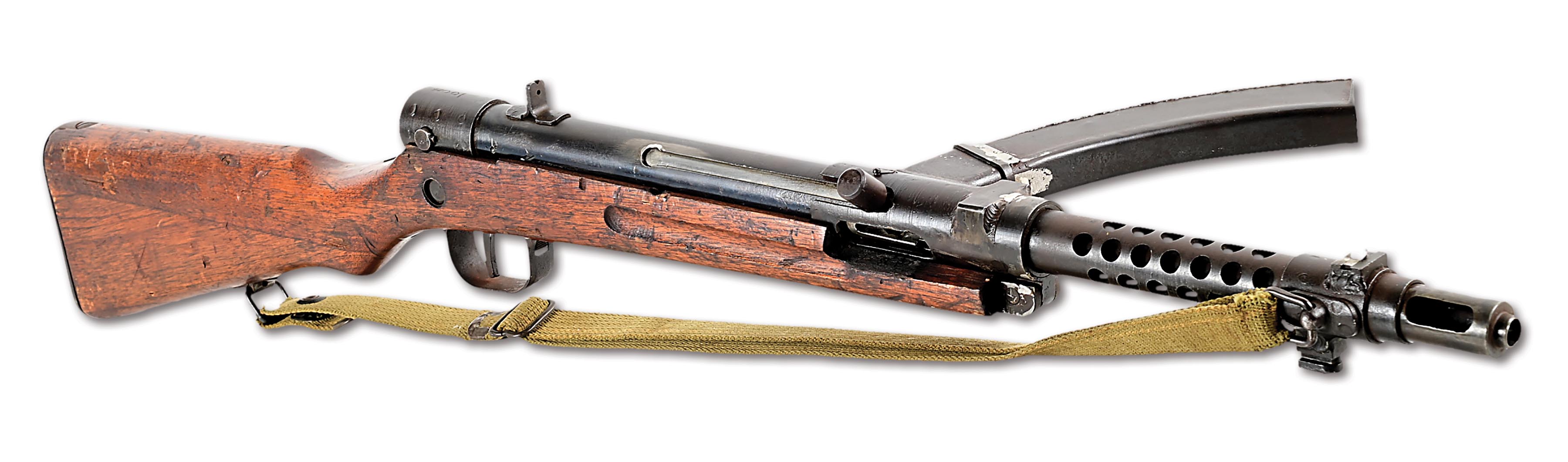
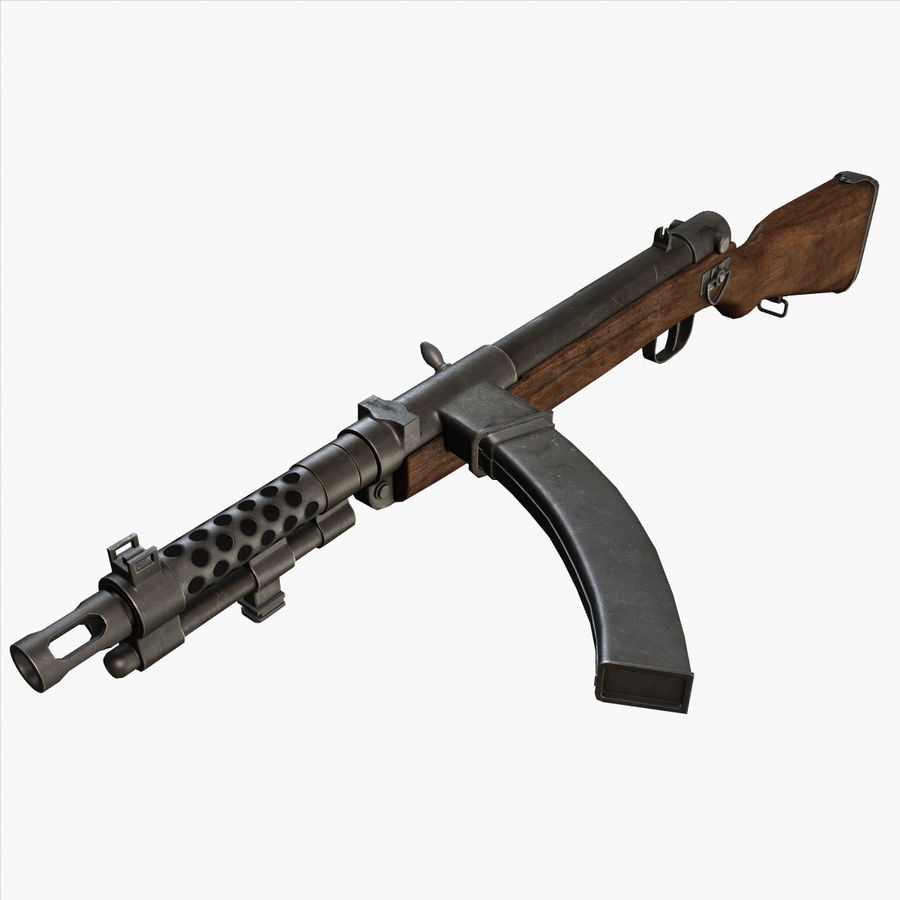
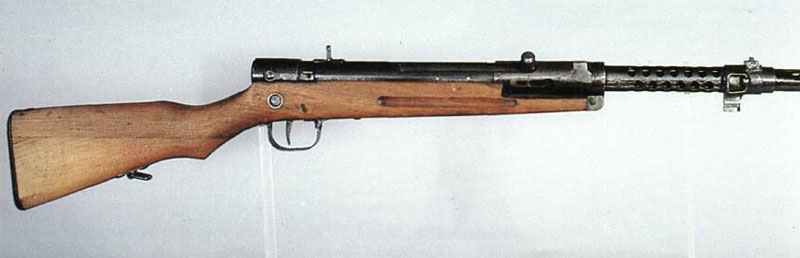
Photo source: auctions.morphyauctions.com, static.wikia.nocookie.net, ww2-weapons.com
Type 100 SMG
Type 100 SMG submachine gun in 8x22mm Nambu: specs, history, ammo and Colorado legal notes from the CO Boots gun library. Want hands-on time with a firearm like the Type 100 SMG? Our certified instructors cover safe handling, operation and marksmanship in every firearms training class.
| Library ID | GT-695 |
|---|---|
| Manufacturer | Nippon Kogeki |
| Type | Submachine Gun |
| Caliber | 8x22mm Nambu |
| Action | Blowback-operated |
| Barrel Length | 250 mm |
| Country of Origin | Germany |
| Year of Production | 1944 |
| Production Status | Discontinued |
| Typical Users | Military, Law Enforcement |
| Rating | 3.5 |
Type 100 SMG: Technical Specifications
The Type 100 submachine gun (SMG) was developed by Japan during World War II. It fires the 8x22mm Nambu cartridge. The weapon has an overall length of approximately 800 mm (31.5 in) with a barrel length of about 250 mm (9.8 in). It weighs around 3 kg (6.6 lbs) when empty.
Key features include a blowback operating mechanism and a selective fire option, allowing both semi-automatic and fully automatic firing modes. The Type 100 has a 30-round detachable magazine and a rate of fire of about 600 rounds per minute.
Constructed primarily of stamped steel, the Type 100 features a simplistic design aimed at ease of production. Its unique folding stock allows for compact storage and maneuverability in close combat. The SMG's design is characterized by a straight-line layout, which helps in recoil management, enhancing control during rapid fire.
Type 100 SMG: Performance Characteristics
The Type 100 submachine gun, developed by Japan during World War II, is notable for its unique design and performance characteristics.
Accuracy: The Type 100 has a maximum effective range of about 150 meters, with a relatively stable trajectory due to its 8-inch barrel. Its accuracy is generally good at close ranges, but less effective beyond 100 meters.
Reliability: The Type 100's reliability is mixed; while it functions well in ideal conditions, it is sensitive to dirt and poor maintenance, leading to malfunctions in adverse environments.
Handling: Weighing around 3.5 kg (7.7 lbs), it offers manageable handling, with a wooden stock that enhances stability. The ergonomic design facilitates quick maneuverability, making it suitable for close-quarters combat.
Rate of Fire: The Type 100 has a cyclic rate of fire of approximately 600 rounds per minute, allowing for sustained fire in engagements.
Overall, the Type 100 SMG is a capable weapon for its time, but its performance is overshadowed by other contemporaneous submachine guns.
Type 100 SMG: Design Features
The Type 100 submachine gun, developed by Japan during World War II, features a compact and ergonomic design, ideal for close-quarters combat. Its wooden stock is designed for comfort, allowing for stable aiming and control during rapid fire. The weapon has a distinctive curved magazine that holds 30 rounds, enhancing balance and weight distribution.
Safety mechanisms include a manual safety lever, positioned for easy access, ensuring the firearm cannot discharge unintentionally. The Type 100 utilizes a blowback operation, which simplifies design and maintenance.
Aesthetically, the Type 100 has a utilitarian appearance, with a streamlined body and minimal embellishments, reflecting its functional purpose. Its innovative features include a folding stock option, allowing for easy transport and maneuverability in confined spaces. Additionally, its effective range and rate of fire make it versatile for various combat scenarios, distinguishing it among contemporaries.
Type 100 SMG: Historical Context
The Type 100 submachine gun (SMG) was developed by Japan during World War II, emerging from a need for a compact, automatic firearm suited for close-quarters combat. Designed by Kijiro Nambu, its production began in 1942. The Type 100 featured a unique, simple design, operating on an open-bolt mechanism and chambered for the 8mm Nambu cartridge.
Key milestones include its deployment in the Pacific theater, where it saw use by Japanese infantry and special forces. Its relatively lightweight and high rate of fire made it effective in urban warfare. Despite this, the Type 100 faced challenges, including production issues and competition from more effective firearms.
The Type 100's design influenced post-war SMG developments, showcasing the practicality of compact, automatic weapons. Its legacy is visible in later models, underlining the shift towards submachine guns in modern military arsenals, particularly for close-quarters engagements.
Type 100 SMG: User Experience
The Type 100 SMG, a Japanese submachine gun, is noted for its compact design and manageable weight, contributing to a comfortable user experience. Users often praise its ergonomic features, which allow for easy handling and maneuverability in close-quarters engagements. The weapon's cyclic rate of fire is relatively high, which can be appealing for rapid firing scenarios.
In terms of ease of use, the Type 100 has a straightforward operation, though some users find the magazine loading process slightly cumbersome due to its unique design. Durability is generally rated well, with the gun being robust enough for frontline use, although some users report issues with reliability in adverse conditions.
Common complaints include its limited magazine capacity compared to contemporary SMGs and occasional jams, particularly with older models. Overall, users appreciate the Type 100 for its comfort and effectiveness, while noting areas for improvement in reliability and magazine design.
Type 100 SMG: Ammunition Information
The Type 100 submachine gun (SMG), developed by Japan during World War II, primarily fires 8x22mm Nambu ammunition, a cartridge designed specifically for this firearm. This caliber is unique to Japanese weaponry and is not widely compatible with Western ammunition brands. The 8mm Nambu cartridge features a bottleneck design, providing a relatively low recoil and a moderate rate of fire, making it suitable for close-quarters combat.
While the Type 100 is optimized for standard 8x22mm Nambu rounds, some variants may accept 8mm Nambu Type A or Type B cartridges. For optimal performance, using high-quality, factory-loaded ammunition is recommended to ensure reliability and accuracy. Specialized rounds, such as subsonic ammunition, can be employed for stealth operations, though they may not be widely available. Due to its historical context, the Type 100's ammunition is primarily found as collectors' items or through specialized military surplus markets.
Type 100 SMG: Usage Tips and Best Practices
Type 100 SMG Usage Tips:
- Handling and Shooting:
- Maintain a firm grip; the Type 100 has a unique magazine well that can affect stability.
- Practice controlled bursts to conserve ammunition and maintain accuracy.
- Use the folding stock for better maneuverability in tight spaces.
- Cleaning and Maintenance:
- Clean the barrel and action after each use to prevent fouling.
- Use a soft brush and patches with gun oil for the bore.
- Inspect and lubricate moving parts regularly to ensure smooth operation.
- Common Mistakes to Avoid:
- Avoid over-lubricating; excess oil can attract dirt and grime.
- Don't neglect the magazine; inspect for wear and ensure it's clean to avoid feeding issues.
- Always ensure the weapon is unloaded before cleaning or maintenance.
- Storage:
- Store in a cool, dry place; consider using a dehumidifier if in a humid environment.
By following these tips, you can enhance the performance and longevity of your Type 100 SMG.
Legal Considerations in Colorado
The Type 100 submachine gun (SMG), originally developed by Japan during World War II, is classified as a machine gun under U.S. federal law. As such, it is subject to the National Firearms Act (NFA) of 1934, which imposes strict regulations on ownership, transfer, and manufacture.
Civilian ownership is permitted only if the firearm is registered with the Bureau of Alcohol, Tobacco, Firearms and Explosives (ATF) and the owner pays a $200 tax. However, due to its classification, the Type 100 is difficult to acquire and is often restricted or banned in several states.
State laws vary widely; some states, like California and New York, have outright bans on assault weapons, which may include the Type 100. Other states may allow ownership under certain conditions.
Notable legal cases involving the Type 100 are rare, but ownership disputes and challenges to state regulations regarding NFA firearms have arisen, leading to ongoing legal discussions about Second Amendment rights and state restrictions.
Type 100 SMG: Reviews and Ratings
User reviews for the Type 100 SMG highlight several recurring themes. Many users praise its reliability, noting that it performs well under various conditions without frequent malfunctions. Accuracy is also frequently mentioned, with shooters appreciating its consistency and ease of aiming, making it suitable for both experienced and novice users.
However, some reviews mention issues with the availability of replacement parts and accessories, which can be a source of frustration. Customer service experiences are mixed; while some users report positive interactions and prompt support, others have faced delays and unresponsive service.
Overall satisfaction with the Type 100 SMG tends to be high, with many users expressing enjoyment in its handling and performance. The combination of reliability and accuracy contributes to its favorable reputation, although the variability in customer service experiences is a noted concern.
Type 100 SMG: Appearances in Media
The Type 100 SMG, a Japanese submachine gun used during World War II, has appeared in various movies, TV shows, and video games. Here's a brief list:
Movies
1. "The Pacific" (2010) - This miniseries depicts the experiences of U.S. Marines in the Pacific Theater during WWII, featuring the Type 100 among other period firearms.
2. "Letters from Iwo Jima" (2006) - This film portrays the Battle of Iwo Jima from the Japanese perspective and features the Type 100 SMG used by Japanese soldiers.
TV Shows
1. "Band of Brothers" (2001) - While primarily focused on American forces, some episodes include Japanese soldiers armed with various WWII-era weapons, including the Type 100.
2. "World War II in HD" (2009) - This documentary series includes reenactments and archival footage that may feature the Type 100 SMG.
Video Games
1. "Call of Duty: World at War" (2008) - The Type 100 appears as a usable weapon in the game's multiplayer and campaign modes.
2. "Battlefield V" (2018) - The Type 100 is featured in this game set during World War II, where players can use it in multiplayer modes.
3. "World of Tanks" (2010) - The Type 100 is represented among the various vehicles and equipment available in the game.
4. "Rising Storm 2: Vietnam" (2017) - While primarily set in the Vietnam War, the game includes the Type 100 in its arsenal.
These appearances highlight the Type 100 SMG's historical significance and its representation in popular culture related to World War II.
Related Firearms in the Library


More Submachine Gun firearmsMore Germany country firearmsBrowse all firearms