
Photo source: pbdionisio.com
PPK 380 ACP
PPK 380 ACP pistol in .380 ACP (9mm Short): specs, history, ammo and Colorado legal notes from the CO Boots gun library. Want hands-on time with a firearm like the PPK 380 ACP? Our certified instructors cover safe handling, operation and marksmanship in every firearms training class.
| Library ID | GT-455 |
|---|---|
| Manufacturer | Walther |
| Type | Pistol |
| Caliber | .380 ACP (9mm Short) |
| Action | Semi-automatic |
| Barrel Length | 3.3 inches (84 mm) |
| Country of Origin | Czech Republic |
| Year of Production | 1931 |
| Production Status | In production |
| Typical Users | Civilians, law enforcement |
| Rating | The a |
PPK 380 ACP: Technical Specifications
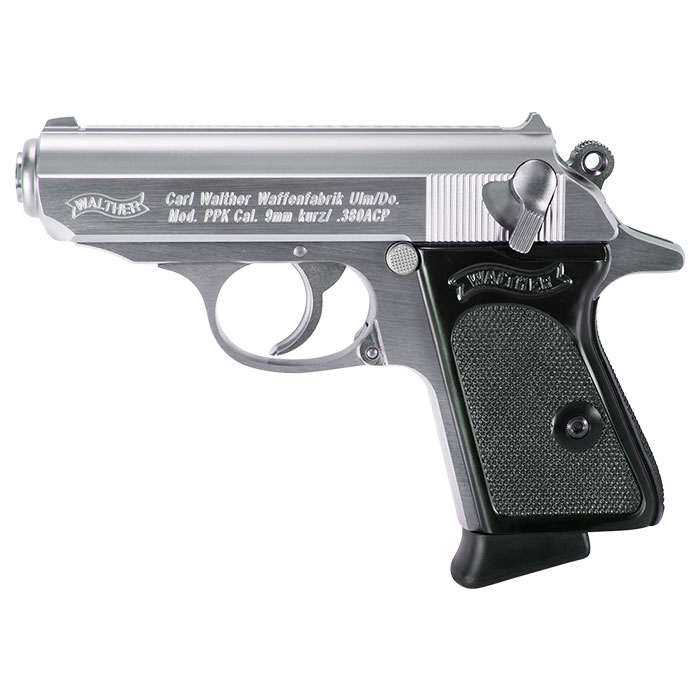
The Walther PPK is a compact semi-automatic pistol notable for its iconic design and engineering. It is chambered in .380 ACP (9mm Kurz). The barrel length measures approximately 3.3 inches (84 mm), contributing to its compact profile, making it suitable for concealed carry.
The PPK weighs around 1.5 pounds (680 grams) when loaded, which enhances its portability. It features a single-action/double-action trigger system, allowing for both modes of operation. The frame is typically constructed from high-strength aluminum alloy, while the slide is made of steel, providing durability and strength.
Unique engineering aspects of the PPK include its blowback action and a decocker mechanism for safe carry. The design includes a manual safety and a magazine safety, enhancing user safety. The PPK is renowned for its ergonomic grip and classic aesthetics, making it a popular choice for personal defense and law enforcement.
PPK 380 ACP: Performance Characteristics
The Walther PPK in .380 ACP is a compact semi-automatic pistol known for its blend of accuracy, reliability, and ergonomic design.
Accuracy: The PPK offers commendable accuracy for a handgun of its size, typically achieving groupings within 3-4 inches at 25 yards. The fixed sights are adequate for defensive use, though some users opt for enhancements.
Reliability: Renowned for its dependability, the PPK functions well with quality ammunition. However, it may experience occasional failures with certain hollow points or lower-quality rounds.
Handling: With a weight of around 1.5 lbs and a slim profile, the PPK is easy to conceal and carry. Its double-action/single-action mechanism allows for a smooth transition from the first shot to follow-ups.
Rate of Fire: The PPK has a semi-automatic action, allowing for rapid follow-up shots limited by the shooter’s ability.
Overall, the PPK .380 ACP combines classic design with solid performance metrics, making it a popular choice for personal defense.
PPK 380 ACP: Design Features
The PPK .380 ACP, designed by Carl Walther in the 1930s, features a compact, lightweight design ideal for concealed carry. Its ergonomic grip is formed to fit comfortably in the hand, with a textured surface for improved handling. The double/single action mechanism allows for a smooth trigger pull, enhancing accuracy.
Safety mechanisms include a manual safety that locks the slide and prevents accidental discharge, as well as a decocker that safely lowers the hammer without firing. The PPK also has a loaded chamber indicator that provides visual confirmation of a round in the chamber.
Aesthetically, the PPK boasts a classic, sleek silhouette with a blued or stainless steel finish, complemented by wooden or plastic grips. Its innovative blowback action design contributes to its reliability and simplicity. Overall, the PPK combines functionality with timeless elegance, making it a favored choice among enthusiasts and for personal defense.
PPK 380 ACP: Historical Context
The PPK .380 ACP, designed by German engineer Carl Walther in the early 1930s, is a compact semi-automatic pistol notable for its innovative design and compact size. Introduced in 1931, it was originally chambered for the .32 ACP but was later adapted to the more powerful .380 ACP.
The PPK gained popularity due to its association with James Bond in the literary and cinematic world, solidifying its status as an iconic firearm. Its design featured a double-action trigger and a unique safety mechanism, influencing future compact handgun designs.
During World War II, the PPK was used by German officers and became a symbol of status. Post-war, it found popularity among civilians and law enforcement, and its compactness made it a favored choice for concealed carry.
The PPK's enduring legacy is reflected in its impact on modern pistol designs, particularly in the development of compact and concealed carry firearms, marking a significant evolution in firearm engineering.
PPK 380 ACP: User Experience
The PPK .380 ACP is often praised for its classic design and compact size, making it a popular choice for concealed carry. Users frequently report that the grip is comfortable and fits well in smaller hands, though some larger-handed individuals find it a bit cramped. The trigger pull is generally considered smooth, enhancing ease of use, especially for new shooters.
Durability is another strong point; the PPK is built with high-quality materials, contributing to its longevity. However, some users have raised concerns about the reliability of the feeding mechanism, particularly with certain ammunition types, leading to occasional jams.
Feedback also highlights the PPK's aesthetics, with many appreciating its sleek, vintage look. On the downside, some users find the slide difficult to rack due to its design. Overall, while the PPK .380 ACP receives high marks for comfort and style, it does have some reliability issues that potential buyers should consider.
PPK 380 ACP: Ammunition Information
The PPK, particularly chambered in .380 ACP (9mm Kurz), utilizes a caliber known for its manageable recoil and effectiveness in compact handguns. The .380 ACP cartridge measures 9mm in diameter and typically features a bullet weight ranging from 90 to 102 grains.
For optimal performance, premium self-defense ammunition such as Hornady Critical Defense, Federal HST, and Speer Gold Dot are recommended, as these brands offer reliable expansion and penetration.
While the PPK is designed primarily for .380 ACP, it is essential to avoid using +P ammunition, as the PPK's construction may not handle the increased pressures safely.
Compatibility with other brands is generally broad, as many manufacturers produce .380 ACP cartridges. However, it's advisable to test various brands for reliability and accuracy in your specific PPK. Always prioritize high-quality ammunition to ensure consistent performance in terms of reliability and terminal ballistics.
PPK 380 ACP: Usage Tips and Best Practices
PPK .380 ACP Usage Tips:
- Grip & Stance: Maintain a firm grip with both hands. Use a proper stance (Isosceles or Weaver) to manage recoil effectively.
- Ammunition: Use high-quality, reliable ammunition. Hollow points are recommended for self-defense for better stopping power.
- Shooting Technique: Focus on your trigger control. The double-action trigger has a longer pull; practice to become accustomed to it.
- Cleaning & Maintenance: After each use, field strip the PPK. Clean the barrel with a rod and brush, and apply gun oil to the moving parts. Wipe down the exterior to prevent rust.
- Common Mistakes: Avoid "limp wristing," which can cause malfunctions. Ensure you're fully seated in your grip. Don’t skip cleaning after use, which can lead to reliability issues.
- Dry Firing: Practice dry firing to improve trigger control. Use snap caps to protect the firing pin.
Regular practice and adherence to safety rules are essential for proficiency.
Legal Considerations in Colorado
The Walther PPK in .380 ACP is a semi-automatic pistol widely recognized for its compact design. Its legal status varies by jurisdiction in the U.S. Federally, it is classified as a handgun, requiring background checks for purchases through licensed dealers.
Restrictions depend on state laws: states like California and New York have strict regulations including waiting periods and microstamping requirements, while others like Texas have more permissive laws. Some states may require permits for concealed carry.
Military use is generally regulated by specific contracts and procurement processes, with the PPK historically used by various militaries, including Germany during WWII.
Notable legal cases include District of Columbia v. Heller, which affirmed individual gun ownership rights, impacting how firearms like the PPK are treated under the Second Amendment. Always consult local laws for precise regulations as they can change frequently.
PPK 380 ACP: Reviews and Ratings
User reviews for the PPK .380 ACP generally highlight its reliability and compact design, making it a preferred choice for concealed carry. Many users appreciate its accuracy, noting that it performs well at both short and moderate ranges. However, some reviews mention occasional feeding issues, particularly with certain types of ammunition, suggesting that users should test various brands for optimal performance.
Customer service experiences vary, with some users reporting prompt and helpful responses, while others experienced delays or unhelpful interactions. Overall satisfaction tends to be high, with many users praising the PPK's classic aesthetics and solid build quality. However, a few reviewers express concerns about the weight and recoil compared to modern polymer options. In summary, while the PPK .380 ACP is favored for its reliability and style, users advise potential owners to consider their specific needs and preferences.
PPK 380 ACP: Appearances in Media
The Walther PPK, particularly in the .380 ACP caliber, has appeared in various movies, TV shows, and video games. Here’s a brief list highlighting some notable appearances:
Movies:
1. James Bond Series:
- Dr. No (1962) - James Bond, portrayed by Sean Connery, uses a Walther PPK.
- From Russia with Love (1963) - Continuation of Bond's use of the PPK.
- Goldfinger (1964) - Bond again uses the PPK.
- Various other Bond films - The PPK is a recurring firearm for Bond in many films up to Die Another Day (2002).
- The Man with the Golden Gun (1974) - Roger Moore's Bond uses a PPK.
- The Departed (2006) - The character Frank Costello, played by Jack Nicholson, uses a PPK.
TV Shows:
1. The Avengers - The character John Steed is known to carry a PPK.
2. The A-Team - The PPK is used by various characters in the series.
Video Games:
1. GoldenEye 007 (1997) - The PPK is featured as one of the weapons available to players.
2. Hitman Series - The PPK appears in various titles, including Hitman: Blood Money and Hitman 2.
3. Call of Duty Series - The PPK has appeared in various installments, often as a sidearm.
This list includes some of the more prominent appearances of the Walther PPK in popular media.
Related Firearms in the Library


More Pistol firearmsMore Walther manufacturer firearmsMore 380 ACP (9mm Short) caliber firearmsMore Czech Republic country firearmsBrowse all firearms