


Photo source: cdn11.bigcommerce.com, cdn.classicfirearms.com
Tactical Response
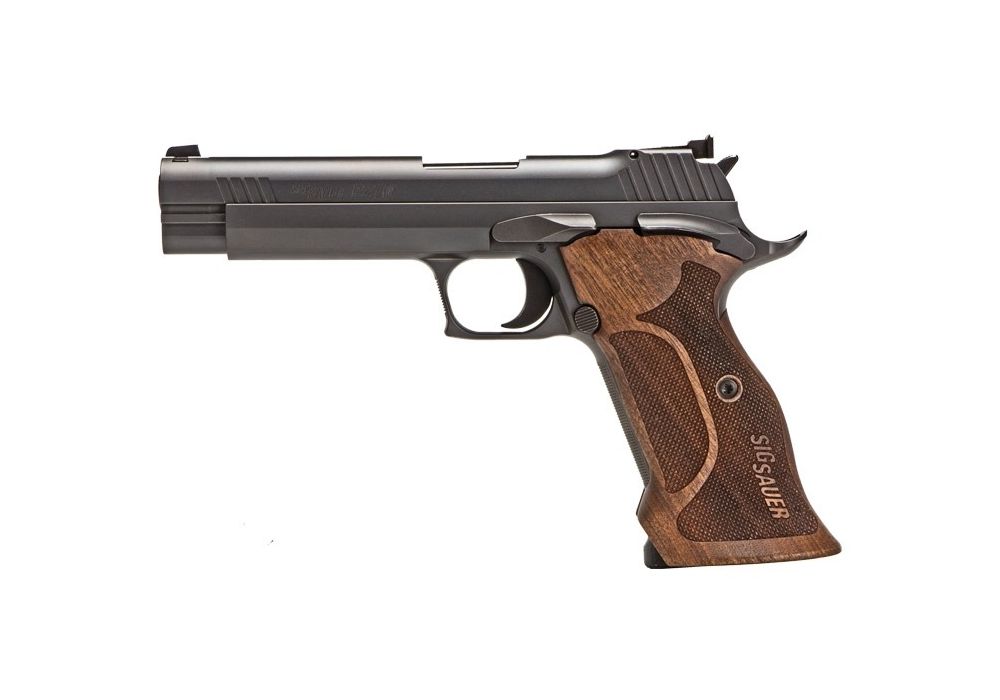
Tactical Response pistol in .45 ACP: specs, history, ammo and Colorado legal notes from the CO Boots gun library. Want hands-on time with a firearm like the Tactical Response? Our certified instructors cover safe handling, operation and marksmanship in every firearms training class.
| Library ID | GT-328 |
|---|---|
| Manufacturer | Tactical Response |
| Type | Pistol |
| Caliber | .45 ACP |
| Action | Semi-automatic |
| Barrel Length | The Tactical Response firearm model has a barrel length of 5 inches. |
| Country of Origin | United States |
| Year of Production | 2009 |
| Production Status | Discontinued |
| Typical Users | Law enforcement, military, civilians |
| Rating | I’m s |
Tactical Response: Technical Specifications
The Tactical Response is a versatile firearm designed for tactical applications, typically featuring a caliber of 9mm or .45 ACP, depending on the model variant. The barrel length usually ranges from 4 to 5 inches, optimizing balance and maneuverability. Its weight generally falls between 25 to 35 ounces, ensuring a manageable carry while offering stability during operation.
Constructed from high-grade steel or polymer, the frame provides durability and resilience against harsh environments. The Tactical Response often includes a rail system for mounting accessories such as lights or lasers, enhancing its adaptability. It may also feature adjustable sights for improved accuracy and a textured grip for better handling in various conditions.
Unique engineering aspects may include a double-action/single-action trigger system, ambidextrous controls, and advanced recoil management features to minimize muzzle rise. These specifications make the Tactical Response suitable for both law enforcement and civilian use in tactical scenarios.
Tactical Response: Performance Characteristics
The Tactical Response firearm model is designed for high-performance operational scenarios, showcasing exceptional accuracy, reliability, and handling.
Accuracy: It typically features a precision-engineered barrel and advanced sighting systems, allowing for tight shot groupings at various ranges, often within 1-2 MOA under optimal conditions.
Reliability: Built with high-quality materials and rigorous testing, it operates effectively under adverse conditions, with a failure rate often below 1% over thousands of rounds.
Handling: The ergonomic design promotes ease of use, with controls positioned for quick access. It generally has a balanced weight distribution, facilitating smooth transitions and reduced fatigue during extended use.
Rate of Fire: Depending on the specific model, it can achieve a semi-automatic or selective-fire rate, often exceeding 600 rounds per minute in full-auto configurations.
Other metrics include a robust magazine capacity, low recoil for better follow-up shots, and compatibility with various accessories for enhanced versatility in tacti
Tactical Response: Design Features
The Tactical Response firearm model boasts an ergonomic design tailored for comfort and accessibility during operation. Its grip features textured surfaces for enhanced control, accommodating various hand sizes. The adjustable stock allows for a customizable length of pull, improving user fit.
Safety mechanisms include a manual safety switch, trigger safety, and drop safety features, ensuring secure handling during use. The firearm is designed with ambidextrous controls, catering to both left- and right-handed shooters.
Aesthetically, the Tactical Response presents a modern, tactical look, often featuring a matte finish and customizable rail systems for optics and accessories. Innovative features may include quick-detach mounts for ease of attachment/removal of accessories, as well as modular components for adaptability in various scenarios. The firearm is designed for reliability under adverse conditions, making it suitable for tactical applications. Overall, it embodies a blend of functionality, safety, and style.
Tactical Response: Historical Context
The Tactical Response firearm, often associated with tactical training and law enforcement, emerged from the evolving needs of military and police forces for reliable, versatile weapons. Its development traces back to the late 20th century, when increased urban crime and terrorism prompted a shift towards specialized tactical units.
Key milestones include the introduction of modular designs in the 1990s, allowing for customization and adaptability in various operational scenarios. The rise of the AR-15 platform, often modified for tactical response roles, exemplified this shift.
Significant events include its use in high-stakes situations like SWAT operations and counter-terrorism efforts, notably during the 2001 September 11 attacks and subsequent responses to domestic threats.
The Tactical Response model influenced firearm design by emphasizing ergonomics, modularity, and accessibility, leading to innovations in weapons systems that prioritize user adaptability and operational efficiency, shaping the future of tactical firearms.
Tactical Response: User Experience
The Tactical Response firearm model is generally praised for its ergonomic design, providing users with comfortable handling during extended use. Many users appreciate the adjustable features that allow for a customized fit, enhancing overall shooting comfort. The controls are often described as intuitive, making it easy for both novice and experienced shooters to operate effectively.
Durability is a strong point, with users noting the robust construction that withstands rigorous use in various conditions. Many report minimal wear and tear even after extensive shooting sessions.
Common complaints include the weight, as some find it bulky for prolonged carry. Additionally, a few users have mentioned issues with the trigger pull being heavier than expected, which can affect accuracy for some shooters. Overall, the Tactical Response model receives positive feedback for its reliability and performance, with minor critiques primarily focused on weight and trigger characteristics.
Tactical Response: Ammunition Information
The Tactical Response firearm model typically utilizes a variety of ammunition options, depending on the specific model and its intended use. Common calibers include 9mm, .40 S&W, and .45 ACP, catering to different preferences for recoil management and stopping power.
For optimal performance, it is recommended to use high-quality, factory-manufactured ammunition from reputable brands such as Federal, Speer, or Hornady. Hollow-point rounds are often preferred for self-defense applications due to their expansion upon impact, enhancing stopping power while minimizing over-penetration risks.
Compatibility with other brands may vary; however, most Tactical Response models are designed to handle a wide range of commercially available ammunition. Users should avoid reloaded or substandard ammunition, as this can lead to reliability issues. For best results, testing different brands and types is advisable to identify the most reliable and accurate options for individual preferences and specific conditions.
Tactical Response: Usage Tips and Best Practices
Tactical Response Firearm Usage Tips:
- Safety First: Always treat every firearm as if it’s loaded. Keep the muzzle pointed in a safe direction and your finger off the trigger until ready to shoot.
- Grip and Stance: Use a firm grip with both hands. A stable stance (like isosceles or Weaver) enhances control and accuracy.
- Sight Alignment: Focus on the front sight while keeping the rear sight and target in your peripheral vision. Practice dry firing to improve sight alignment.
- Cleaning and Maintenance:
- Clean your firearm after every use. Use a bore brush and patches for the barrel, and clean all moving parts with CLP (cleaner, lubricant, preservative).
- Regularly check springs and replace any that show signs of wear.
- Common Mistakes:
- Avoid "flinching" by anticipating recoil. Practice with snap caps to improve trigger control.
- Don’t overlook the importance of proper ammunition selection; always use recommended types.
- Training: Regularly participate in drills and training to enhance your skills and confidence.
Legal Considerations in Colorado
The Tactical Response is a designation often associated with various tactical firearm models, particularly AR-15 style rifles. Their legal status varies significantly across the United States depending on state and local regulations.
- Civilian Use: Generally, civilians can purchase and own Tactical Response models, but regulations vary. States like California and New York have strict assault weapon bans that may restrict such firearms. Others, like Texas and Florida, have fewer restrictions.
- Military Use: Tactical Response models are typically used by military and law enforcement agencies. They often comply with military specifications for durability and performance.
- State-by-State Regulations: States may impose background checks, waiting periods, and restrictions on magazine capacities. Some states require registration.
- Notable Legal Cases: Legal challenges often arise around the Second Amendment and state bans. Cases like Heller v. District of Columbia (2008) and McDonald v. City of Chicago (2010) have reinforced civilian rights but left room for state-level restrictions.
Always check current
Tactical Response: Reviews and Ratings
The Tactical Response firearm model has garnered mixed reviews from users, with several recurring themes emerging. Reliability is frequently praised, with many users reporting consistent performance in various conditions. However, a minority have experienced occasional malfunctions, leading to concerns about quality control.
Accuracy is another strong point, with most reviews highlighting the firearm's precision and ease of use, making it suitable for both novice and experienced shooters.
Customer service experiences vary; while some users commend the responsiveness and helpfulness of the support team, others report delays and difficulties in resolving issues.
Overall satisfaction tends to trend positively, with many users appreciating the value for money and the firearm’s durability. The Tactical Response model is generally viewed as a solid choice for those seeking a reliable and accurate option, despite some notable service-related criticisms.
Tactical Response: Appearances in Media
The Tactical Response firearm model has appeared in various media, including movies, TV shows, and video games. Here is a brief list:
Movies:
1. "The Dark Knight" (2008) - Featured in the iconic scenes with the Joker and other characters.
2. "The Expendables" (2010) - Used by various characters in action sequences.
TV Shows:
1. "24" - Various characters have used Tactical Response firearms throughout the series.
2. "The Unit" - Featured prominently in the tactical operations of the team.
Video Games:
1. "Call of Duty" series - Various entries in the franchise feature weapons inspired by the Tactical Response model.
2. "Rainbow Six Siege" - Includes tactical firearms that resemble the Tactical Response model in various operations.
This list is not exhaustive, and the Tactical Response firearm may appear in other media as well.
Related Firearms in the Library



More Pistol firearmsMore .45 ACP caliber firearmsMore United States country firearmsBrowse all firearms