
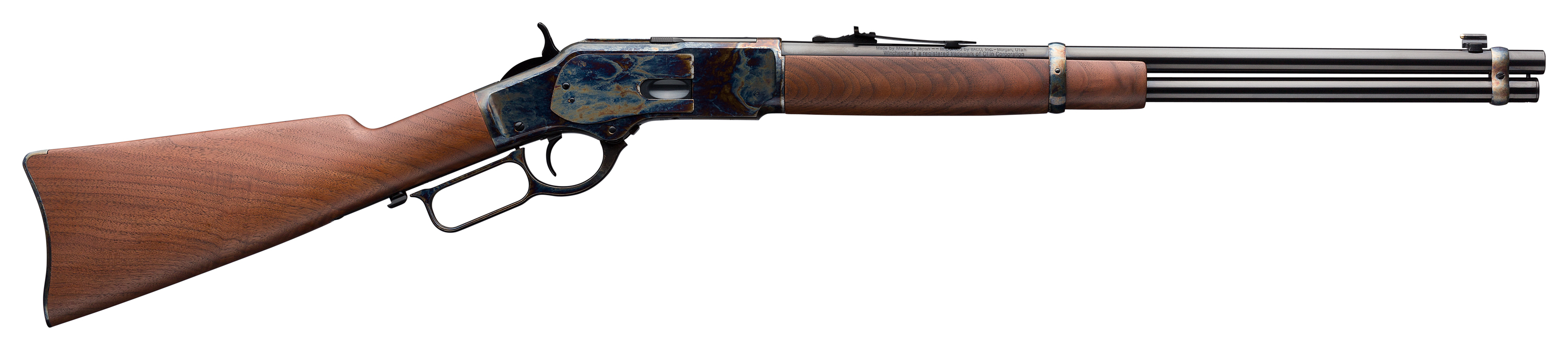

Photo source: winchesterguns.com, americanrifleman.org, media.mwstatic.com
Model 1873
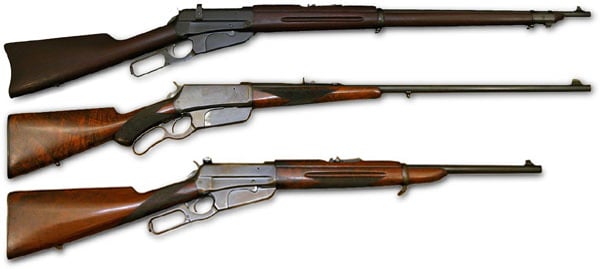
Model 1873 rifle in .44-40 Winchester: specs, history, ammo and Colorado legal notes from the CO Boots gun library. Want hands-on time with a firearm like the Model 1873? Our certified instructors cover safe handling, operation and marksmanship in every firearms training class.
| Library ID | GT-276 |
|---|---|
| Manufacturer | Winchester |
| Type | Rifle |
| Caliber | .44-40 Winchester |
| Action | Lever-action |
| Barrel Length | 20 inches (508 mm) |
| Country of Origin | United States |
| Year of Production | 1873 |
| Production Status | In production |
| Typical Users | Civilians, Military |
| Rating | 4.5 |
Model 1873: Technical Specifications
The Model 1873, commonly known as the Winchester 1873, is a lever-action rifle renowned for its role in American history.
Caliber: It was originally chambered in .44-40 Winchester, but variants include .38-40 and .32-20.
Barrel Length: Standard barrel lengths range from 24 to 30 inches, with shorter 20-inch options available.
Weight: The rifle typically weighs around 8 to 9 pounds, depending on the configuration.
Material: The receiver is made of steel, while the barrel and magazine tube are also steel. The stock is usually crafted from walnut.
Unique Engineering Aspects: The Model 1873 features a distinctive toggle-link action, allowing for smooth operation. It was one of the first rifles to utilize a full-length magazine tube, significantly increasing ammunition capacity. Its design contributed to its reputation as "The Gun That Won the West," blending reliability with aesthetic appeal. The firearm's versatility and innovative engineering made it a favorite among frontiersmen and lawmen alike.
Model 1873: Performance Characteristics
The Model 1873, often referred to as the "Winchester Rifle," is renowned for its performance characteristics. Accuracy is notable, with a maximum effective range of around 200 yards, benefiting from a rifled barrel that stabilizes projectiles well. Reliability is one of its standout features; designed to function in various conditions, it has a robust mechanism that handles dirt and debris effectively.
Handling is smooth, with a lever-action design that allows for quick cycling of rounds. The rifle typically holds 6 to 15 rounds, depending on the caliber, contributing to a decent rate of fire for its time. While the rate of fire is not as high as modern semi-automatics, skilled users can achieve rapid follow-up shots.
Other metrics include a moderate weight that aids stability but can be cumbersome for prolonged carry. The Model 1873's design also promotes ease of maintenance, making it a favorite among sport shooters and collectors. Overall, it embodies a blend of historical significance and practical performance.
Model 1873: Design Features
The Model 1873, often referred to as "The Gun That Won the West," is a lever-action rifle designed by Winchester. Its ergonomic design features a straight-grip stock, allowing for a natural hold and quick handling. The rifle's lever mechanism is smooth and facilitates rapid follow-up shots, making it user-friendly.
Safety features include a half-cock notch, which prevents accidental discharge when the hammer is lowered. The rifle also has a robust locking system that secures the action when closed.
Aesthetically, the Model 1873 showcases a classic wooden stock, often made from walnut, complemented by a blued steel finish, exuding a vintage charm. Its octagonal barrel adds to its distinctive silhouette.
Innovatively, the rifle introduced a tubular magazine, allowing for multiple rounds to be loaded, enhancing firepower. The combination of these features made the Model 1873 not only functional but also a symbol of American frontier history.
Model 1873: Historical Context
The Model 1873, often called "The Gun That Won the West," was developed by Winchester Repeating Arms Company, with its design attributed primarily to Benjamin Tyler Henry and later improvements by Thomas Bennett. Introduced in 1873, it was a lever-action rifle chambered initially for the .44-40 cartridge, allowing for rapid fire and reloading.
Key milestones include its production during the post-Civil War era, where it became synonymous with westward expansion. It was widely used by settlers, lawmen, and outlaws, featuring prominently in events such as the Indian Wars and the famous gunfight at the O.K. Corral.
The Model 1873's design influenced subsequent firearms, promoting the lever-action mechanism and the integration of metallic cartridges. Its legacy endures in American culture and firearms design, representing innovation in reliability and efficiency in repeating rifles. Over 700,000 units were produced, solidifying its place in history.
Model 1873: User Experience
The Model 1873, often referred to as "The Gun That Won the West," is praised for its iconic design and historical significance. Users appreciate its comfortable grip and balanced weight, which enhance shooting stability. The lever action mechanism is generally considered easy to operate, making it suitable for both novice and experienced shooters. Durability is a notable feature; many users report that the firearm withstands extensive use with minimal wear.
However, some users express concerns about the trigger pull, noting it can be heavy or gritty, affecting accuracy. Additionally, the rifle's historical design may lead to occasional issues with modern ammunition compatibility. While many appreciate its classic look, some find it less practical compared to more modern firearms. Overall, the Model 1873 garners high praise for its craftsmanship and aesthetic appeal, with criticisms mainly centered around its trigger and some functionality aspects in contemporary contexts.
Model 1873: Ammunition Information
The Model 1873, often referred to as the "Winchester 1873," is a lever-action rifle that primarily utilizes .44-40 Winchester, .38-40 Winchester, and .32-20 Winchester calibers.
The .44-40, designed for both revolvers and rifles, was particularly popular in the Old West and offers a good balance of power and accuracy. The .38-40 and .32-20 calibers were favored for their lighter recoil and were commonly used for target shooting and small game hunting.
Compatibility with other brands varies; while .44-40 ammunition can be found from multiple manufacturers, it's crucial to ensure that the ammunition is specifically designed for lever-action rifles to avoid feeding issues.
For optimal performance, flat-nosed or round-nosed lead bullets are recommended, as they feed more reliably in the tubular magazine. Handloaders often prefer using slightly lighter bullets to enhance accuracy and reduce recoil, ensuring a smooth cycling action in the Model 1873.
Model 1873: Usage Tips and Best Practices
Model 1873 Usage Tips and Best Practices:
Cleaning and Maintenance:
1. Disassembly: Follow the manufacturer's guidelines to safely disassemble the firearm for cleaning.
2. Cleaning: Use a quality bore brush and patch to clean the barrel. Ensure to remove powder residues and fouling.
3. Lubrication: Apply a light coat of gun oil to moving parts. Avoid over-lubrication to prevent attracting dirt.
4. Inspection: Regularly inspect all components for wear and ensure screws are tight.
Shooting Tips:
1. Stance: Use a stable stance, feet shoulder-width apart, and lean slightly forward for balance.
2. Sight Alignment: Focus on the front sight for better accuracy; ensure the rear sight aligns correctly.
3. Trigger Control: Apply steady pressure on the trigger to avoid jerking, which can affect shot placement.
Common Mistakes to Avoid:
1. Neglecting Maintenance: Regular cleaning is crucial for reliable operation.
2. Incorrect Grip: Ensure your grip is firm but not too tight to maintain control.
3. Ignoring Safety: Always follow safety protocols, including keeping the muzzle pointed in
Legal Considerations in Colorado
The Model 1873, a lever-action rifle produced by Winchester, is classified as a firearm under U.S. law. Its legal status varies by state, with some states imposing restrictions on magazine capacity or specific features. Generally, it is legal for civilian ownership across the U.S., but states like California and New York have regulations that may restrict its use or require modifications.
Militarily, the Model 1873 was used in the late 19th century, but it is not currently issued by any military forces. Notable legal cases involving the Model 1873 are rare, but discussions around historical firearms sometimes arise in the context of gun rights, such as in challenges to bans on specific types of firearms or arguments regarding the Second Amendment. Always consult local laws for the most current regulations, as firearm laws can frequently change.
Model 1873: Reviews and Ratings
User reviews for the Model 1873 firearm reflect a generally positive sentiment, with many praising its reliability and historical significance. Reviewers frequently highlight its accuracy, noting that it performs well at various distances, making it suitable for both hunting and sport shooting.
A common theme is the firearm's smooth action and comfortable handling, which contributes to a satisfying shooting experience. However, some users mention minor issues with loading and ejection, suggesting occasional quality control inconsistencies.
Customer service experiences vary; while some users report prompt and helpful support, others express frustration with delays and unresponsive representatives. Overall, satisfaction levels are high, with many enthusiasts appreciating the blend of classic design and modern performance. Collectors particularly value the craftsmanship and aesthetic appeal, making the Model 1873 a favored choice among both historical firearm lovers and practical users.
Model 1873: Appearances in Media
The Model 1873, often referred to as the "Peacemaker" or "Single Action Army," is a famous revolver known for its association with the American Old West. It has appeared in various movies, TV shows, and video games. Here’s a brief list:
Movies:
1. The Good, the Bad and the Ugly (1966) - Clint Eastwood's character, Blondie, is seen using a Model 1873.
2. True Grit (1969 & 2010) - Both versions of the film feature characters using the revolver.
3. Django Unchained (2012) - Various characters are depicted using the Model 1873.
4. The Magnificent Seven (1960 & 2016) - The revolver is used by several characters in both versions.
TV Shows:
1. Deadwood (2004-2007) - The Model 1873 is depicted as one of the firearms used in the series.
2. Gunsmoke (1955-1975) - Many characters, including Marshal Matt Dillon, use the Model 1873 throughout the series.
3. Bonanza (1959-1973) - The revolver appears frequently, used by several characters.
Video Games:
1. Red Dead Redemption series (2010, 2018) - The Model 1873 is a prominent weapon featured in both games.
2. Call of Juarez: Gunslinger (2013) - The revolver is included as a collectible weapon.
3. Fallout: New Vegas (2010) - The Model 1873 is represented as the "Cowboy Repeater."
These examples highlight the Model 1873's iconic status and its frequent portrayal in Western-themed media.
Related Firearms in the Library



More Rifle firearmsMore Winchester manufacturer firearmsMore 44-40 Winchester caliber firearmsMore United States country firearmsBrowse all firearms