


Photo source: images.squarespace-cdn.com, snipercentral.com, upload.wikimedia.org
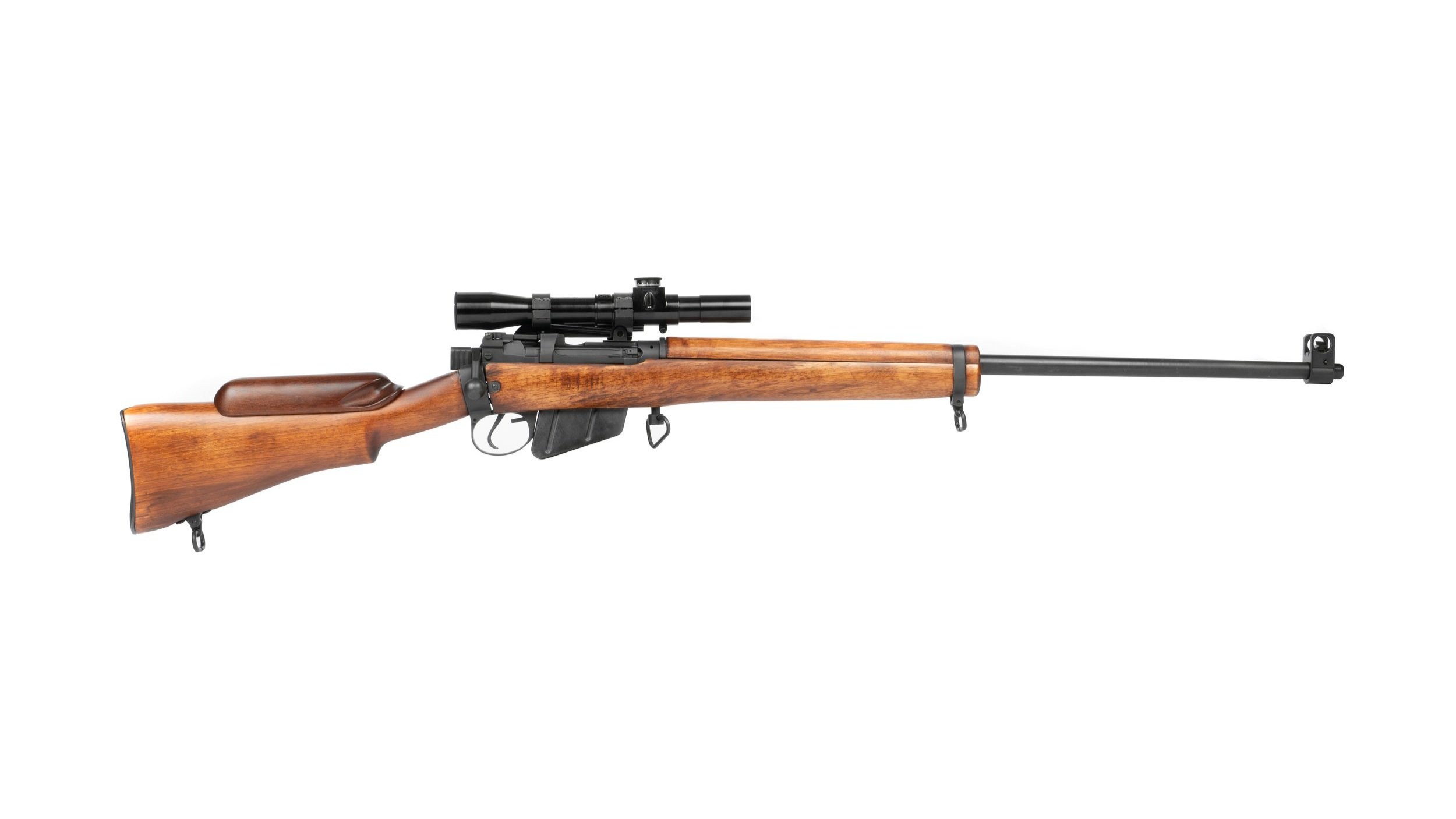
L42A1
L42A1 rifle in .303 inch: specs, history, ammo and Colorado legal notes from the CO Boots gun library. Want hands-on time with a firearm like the L42A1? Our certified instructors cover safe handling, operation and marksmanship in every firearms training class.
| Library ID | GT-254 |
|---|---|
| Manufacturer | Enfield |
| Type | Rifle |
| Caliber | .303 inch |
| Action | Bolt-action |
| Barrel Length | 26 inches (660 mm) |
| Country of Origin | Canada |
| Year of Production | 1970 |
| Production Status | Discontinued |
| Typical Users | Military |
| Rating | 4.2 |
L42A1: Technical Specifications
The L42A1 is a British sniper rifle introduced in the early 1960s, primarily used by the British armed forces. It is chambered in .303 British caliber, utilizing the same ammunition as the Lee-Enfield rifles. The rifle features a barrel length of 25.2 inches (640 mm), optimizing accuracy and range.
Weighing approximately 10.5 pounds (4.8 kg), the L42A1 is relatively heavy, which aids in stability during firing. The construction predominantly consists of steel and wood, with a distinctive wooden stock that provides durability and a classic aesthetic.
Unique engineering aspects include its use of a modified Lee-Enfield action, allowing for smooth cycling and reliability. The L42A1 is equipped with a 3.5x telescopic sight, enhancing long-range accuracy. Additionally, it features a bipod for improved stability during shooting. Overall, the L42A1 represents a blend of traditional design and effective performance in a military sniper role.
L42A1: Performance Characteristics
The L42A1 is a British bolt-action rifle designed for precision shooting, primarily used by sniper units. Its accuracy is notable, with effective range typically extending to 800 meters, facilitated by a heavy barrel and a 4x telescopic sight. The rifle's reliability is high, as it operates with a robust, simple mechanism that minimizes failures, even in adverse conditions.
Handling is commendable; the L42A1 is well-balanced, though its weight (approximately 4.5 kg) can be a factor during prolonged carry. The bolt-action design allows for controlled follow-up shots, but the manual operation limits the rate of fire to about 10 rounds per minute.
The L42A1 fires .308 Winchester (7.62x51mm NATO) cartridges, which provide effective terminal ballistics. Other metrics include a five-round internal magazine and a decent recoil management, contributing to its overall performance as a reliable and accurate marksman’s rifle.
L42A1: Design Features
The L42A1 is a British bolt-action sniper rifle developed in the early 1950s, primarily based on the Lee-Enfield design. Its ergonomic features include a straight-grip hardwood stock, providing a natural hold and stability during aiming. The stock is fitted with a rubber recoil pad for comfort during firing.
Safety mechanisms include a manual safety catch located on the right side of the rifle, ensuring the firing mechanism is locked when not in use. The rifle features a robust, adjustable rear sight and a front post sight, enhancing accuracy at various ranges.
Aesthetically, the L42A1 has a utilitarian design, characterized by its wood and metal construction, with a matte finish to reduce glare. Innovative features include a detachable magazine for easier reloading and a bipod attachment point for improved stability during shooting. Overall, the L42A1 combines classic design elements with functional enhancements suited for precision shooting.
L42A1: Historical Context
The L42A1 is a British sniper rifle developed in the early 1960s, based on the Lee-Enfield No. 4 rifle. Designed to provide enhanced accuracy for British Army marksmen, it featured a heavy barrel, a modified stock, and a scope mount, accommodating the 7.62×51mm NATO cartridge.
Key milestones include its adoption in 1966 and deployment during conflicts such as the Troubles in Northern Ireland and various Cold War engagements. The rifle was favored for its robustness and accuracy, significantly influencing military sniping tactics.
Despite being replaced by the L96A1 in the late 1970s, the L42A1's design principles—reliability, simplicity, and modularity—paved the way for future sniper systems. Its legacy lives on in contemporary British military firearms, emphasizing the importance of precision in modern warfare.
L42A1: User Experience
The L42A1, a British bolt-action rifle, is often praised for its robust construction and historical significance. Users appreciate its durability, as the rifle is built to withstand harsh conditions, making it reliable in various environments. Comfort-wise, the L42A1 features a sturdy wooden stock that some find ergonomic, while others note it can be heavy, leading to fatigue during prolonged use.
Ease of use is generally rated positively, with its straightforward bolt-action mechanism allowing for effective operation, although some beginners may require practice to master it. Users often commend the rifle’s accuracy, particularly at range, which enhances the shooting experience.
Common complaints include its weight, which can make it cumbersome for extended carry, and the limited magazine capacity, which some find inconvenient. Additionally, the rifle's historical context means that parts can be harder to find, leading to concerns about maintenance and repair. Overall, the L42A1 is appreciated for its reliability and accuracy, though it may not suit everyone due to its heft.
L42A1: Ammunition Information
The L42A1 is a British sniper rifle chambered for the 7.62×51mm NATO caliber, which is known for its accuracy and effective range. This rifle was primarily used during the 1960s and 1970s by the British Army and is compatible with various ammunition brands that manufacture 7.62×51mm NATO cartridges.
Recommended ammunition types for optimal performance include match-grade cartridges, which provide superior accuracy, such as the Lapua Scenar or Federal Gold Medal Match. These types typically feature boat-tail projectiles and can offer enhanced consistency and precision over standard military ball ammunition.
While the L42A1 can also fire surplus military ammunition, using high-quality, match-grade rounds is advisable for competitive shooting or precision tasks. Additionally, shooters should ensure their ammunition matches the rifle's specifications to maintain reliable feeding and extraction. Overall, the 7.62×51mm NATO provides versatility and effectiveness for the L42A1.
L42A1: Usage Tips and Best Practices
The L42A1 is a British sniper rifle, known for its accuracy and reliability. Here are usage tips and best practices:
Cleaning and Maintenance:
1. Regular Cleaning: After each use, clean the barrel with a cleaning rod and appropriate solvent to remove fouling. Use a bore brush followed by patches.
2. Lubrication: Lightly lubricate moving parts with gun oil, particularly the bolt and trigger mechanisms, to prevent rust and ensure smooth operation.
3. Inspect Components: Regularly check the scope mounts, stock, and metal parts for signs of wear or damage.
Shooting Tips:
1. Stable Position: Always shoot from a stable position, using a bipod or sandbags for support.
2. Breath Control: Practice controlled breathing to minimize body movement while aiming.
3. Trigger Control: Apply steady pressure on the trigger without jerking to improve accuracy.
Common Mistakes to Avoid:
1. Neglecting Maintenance: Failing to clean and inspect the rifle can lead to malfunctions.
2. Poor Shooting Technique: Avoid rushing shots; focus on form and proper alignment.
3. Ignoring Ballistics: Understand your amm
Legal Considerations in Colorado
The L42A1 is a British bolt-action sniper rifle, primarily used by military forces in the mid-20th century. Its legal status varies significantly by country and jurisdiction.
In the U.S., the L42A1 is classified as a Curio and Relic (C&R) firearm under the National Firearms Act (NFA), allowing its transfer to C&R license holders. However, state laws vary widely; some states restrict or ban military surplus firearms, while others have no specific restrictions.
Civilian ownership is generally legal, but modifications that alter its configuration can lead to regulatory issues. States like California and New York impose stricter regulations, potentially complicating ownership.
Notable legal cases involving the L42A1 are scarce, but cases concerning military surplus firearms often focus on restrictions under state laws rather than specific model litigation. Always consult local laws for precise regulations.
L42A1: Reviews and Ratings
User reviews for the L42A1 firearm model highlight several recurring themes:
- Reliability: Many users praise the L42A1 for its dependable performance in various conditions, with minimal reported malfunctions. Its robust design contributes to a sense of trust among owners.
- Accuracy: Reviewers frequently commend the accuracy of the L42A1, noting its impressive precision at both short and long ranges. Shooters appreciate its consistent grouping and effective sighting system.
- Customer Service: Feedback regarding customer service experiences is mixed. While some users report positive interactions and support, others mention delays or unsatisfactory responses when seeking assistance or parts.
- Overall Satisfaction: Overall, the L42A1 receives favorable ratings from users who enjoy its historical significance and solid construction. Many express a sense of pride in ownership, though a few note that its weight can be a drawback for extended use.
In summary, the L42A1 is generally well-regarded for reliability and accuracy, with varied experiences concerning customer support.
L42A1: Appearances in Media
The L42A1 is a British sniper rifle that has appeared in various media. Here’s a brief list of movies, TV shows, and video games where the L42A1 has been featured:
Movies:
1. "The Spy Who Came In from the Cold" (1965) - The L42A1 is used as a sniper rifle in this Cold War espionage film.
2. "The Battle of Britain" (1969) - The rifle appears in scenes depicting British forces during World War II.
TV Shows:
1. "The Professionals" (1977-1983) - The L42A1 is used by characters in this British action series about a pair of detectives.
2. "Sharpe" (1993-2006) - Although primarily set during the Napoleonic Wars, some later adaptations feature the L42A1.
Video Games:
1. "Call of Duty: World at War" (2008) - The L42A1 is featured as a multiplayer weapon.
2. "Battlefield 4" (2013) - The rifle appears as a collectible weapon in the game.
This list is not exhaustive, but it highlights some notable appearances of the L42A1 in various forms of media.
Related Firearms in the Library


More Rifle firearmsMore Canada country firearmsBrowse all firearms