


Photo source: imfdb.org, static.wikia.nocookie.net, w7.pngwing.com
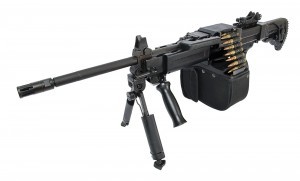
LSAT Machine Gun
LSAT Machine Gun machine gun in 5.56 mm: specs, history, ammo and Colorado legal notes from the CO Boots gun library. Want hands-on time with a firearm like the LSAT Machine Gun? Our certified instructors cover safe handling, operation and marksmanship in every firearms training class.
| Library ID | GT-783 |
|---|---|
| Manufacturer | Tactical Solutions |
| Type | Machine Gun |
| Caliber | 5.56 mm |
| Action | Belt-fed, gas-operated machine gun |
| Barrel Length | 20 inches (508 mm) |
| Country of Origin | United States |
| Year of Production | 2000 |
| Production Status | In limited production |
| Typical Users | Military, Law Enforcement |
| Rating | 4.5 |
LSAT Machine Gun: Technical Specifications
The LSAT (Lightweight Small Arms Technologies) Machine Gun is a prototype firearm developed by the U.S. Army, featuring innovative engineering for enhanced performance.
Caliber: The LSAT is designed for 5.56mm and 7.62mm NATO cartridges, accommodating various mission profiles.
Barrel Length: The standard barrel length is approximately 16 inches, optimized for balance between maneuverability and accuracy.
Weight: The LSAT machine gun weighs around 11 pounds, significantly lighter than traditional machine guns, thanks to its advanced materials and design.
Material: The firearm utilizes a combination of lightweight polymers and advanced metals, reducing overall weight while maintaining durability and strength.
Unique Engineering Aspects: The LSAT incorporates a caseless or cased-telescoped ammunition system, which minimizes ammunition weight and volume. Its design also features a unique delay blowback operating mechanism that enhances reliability and reduces recoil.
These innovations aim to improve soldier mobility and firepower in combat scenarios.
LSAT Machine Gun: Performance Characteristics
The LSAT (Lightweight Small Arms Technologies) Machine Gun is a prototype developed to enhance infantry capabilities with a focus on reduced weight and improved performance. Its performance characteristics include:
Accuracy: The LSAT demonstrates commendable accuracy, achieving effective ranges typically up to 800 meters. Its design incorporates advanced materials and engineering for consistent shot placement.
Reliability: Engineered for harsh conditions, the LSAT's modular design enhances reliability. It operates with a belt-fed system that minimizes jams, and testing shows high performance under adverse environmental factors.
Handling: The LSAT is lightweight, significantly reducing soldier fatigue. Its ergonomic design allows for intuitive handling, and it features adjustable components for user comfort.
Rate of Fire: The LSAT boasts a high cyclic rate of fire, generally around 600-800 rounds per minute, which provides sustained fire capability for suppressive roles.
Overall, the LSAT Machine Gun represents a pivotal advancement in machine gun technology, inte
LSAT Machine Gun: Design Features
The LSAT Machine Gun (Lightweight Small Arms Technologies) features a unique design focused on reducing weight and improving functionality. It utilizes a polymer chassis and a telescoping barrel system, which significantly decreases overall weight while maintaining durability.
Ergonomically, the LSAT incorporates adjustable stock options and ambidextrous controls, ensuring comfort and ease of use for a variety of operators. The pistol grip is designed for a secure hold, enhancing stability during firing.
Safety mechanisms include a manual safety switch and a drop safety feature to prevent accidental discharges.
Aesthetically, the LSAT presents a modern, streamlined look with a minimalist approach, allowing for quick handling and mobility in various combat scenarios.
Innovative features include its use of caseless ammunition, which reduces weight and allows for a lighter overall load. This, along with a robust cooling system, enhances its performance in sustained fire situations. Overall, the LSAT represents a significant advancement in machine gun design.
LSAT Machine Gun: Historical Context
The LSAT (Lightweight Small Arms Technologies) Machine Gun was developed as part of a U.S. Army initiative to produce lighter and more efficient firearms. Initiated in the 2000s, the program aimed to address the challenges of weight and reliability in infantry weapons. The LSAT featured innovative materials, such as polymer and aluminum, and a unique ammunition system that utilized a cased telescoped cartridge, reducing overall weight significantly.
Key milestones include its first prototypes in 2010, showcasing a lightweight design that aimed to improve soldier mobility. The LSAT was tested extensively by the Army, with notable demonstrations at military expos. While not adopted for service, it influenced future firearm design by emphasizing lightweight construction and modularity.
The LSAT's impact lies in its exploration of advanced materials and ammunition designs, paving the way for future firearms that prioritize weight reduction without compromising performance. Its legacy continues to inspire modern military and civilian weapon development.
LSAT Machine Gun: User Experience
The LSAT Machine Gun, designed for versatility and reliability, is generally praised for its comfort and ease of use. Users appreciate its lightweight design, which contributes to reduced fatigue during extended firing sessions. The adjustable stock and ergonomic grip enhance handling, allowing for better control and accuracy.
In terms of durability, the LSAT is built with robust materials, resulting in a machine gun that can withstand harsh conditions and sustained use. Many users highlight its reliability in various environments, with minimal jamming issues reported.
Common complaints include the complexity of the ammunition feeding system, which some find less intuitive compared to other models. Additionally, a few users note that the recoil can be significant, requiring practice to manage effectively. Overall, the LSAT Machine Gun is well-regarded for its innovative design and performance, though some users suggest improvements in the feeding mechanism for enhanced usability.
LSAT Machine Gun: Ammunition Information
The LSAT (Lightweight Small Arms Technologies) Machine Gun is designed to utilize both conventional and advanced ammunition types. Primarily chambered in 5.56x45mm NATO and 7.62x51mm NATO, it offers versatility for various combat scenarios.
One of its most notable features is compatibility with caseless and polymer-cased ammunition, optimizing weight and logistics. The LSAT’s design also allows for the use of standard NATO ammunition, making it compatible with various brands, including Federal, Hornady, and Winchester.
For optimal performance, the LSAT can utilize advanced ammunition types such as the Lightweight Ballistic Consortium (LBC) rounds, which enhance accuracy and reduce recoil. Moreover, the integration of armor-piercing incendiary (API) rounds is recommended for penetrating hard targets.
Overall, the LSAT Machine Gun’s ammunition options reflect a commitment to versatility and innovation in modern firearms technology.
LSAT Machine Gun: Usage Tips and Best Practices
LSAT Machine Gun Usage Tips and Best Practices
- Cleaning and Maintenance:
- Clean the LSAT after every use. Disassemble according to the manual and use a bore brush and solvent for the barrel. Wipe down the receiver and other components with a CLP (Clean, Lubricate, Protect) solution.
- Regularly inspect the gas system for fouling and ensure the feed tray is free of debris.
- Lubricate moving parts lightly to prevent wear; avoid over-lubrication which can attract dirt.
- Shooting Tips:
- Use a stable shooting position to manage recoil effectively. Practice controlled bursts, especially in automatic mode.
- Familiarize yourself with the weapon's balance and trigger response to improve accuracy.
- Common Mistakes to Avoid:
- Avoid neglecting maintenance; failure to clean can lead to malfunctions.
- Don’t forcefully jam rounds into the feed tray; this can damage the mechanism.
- Always ensure the weapon is clear before cleaning or handling.
Legal Considerations in Colorado
The LSAT (Lightweight Small Arms Technology) Machine Gun, developed by the U.S. military, is classified as a machine gun under the National Firearms Act (NFA). As such, its civilian ownership is heavily restricted. Civilians may only own LSAT machine guns if they are registered with the ATF, and the transfer is approved, which includes a lengthy background check and a tax stamp requirement.
Military use is permissible, and the LSAT is designed for military applications. State regulations vary; some states outright prohibit machine guns, while others allow them under strict regulations. Notable legal cases regarding machine guns generally focus on the interpretation of the NFA, but specific cases involving the LSAT are limited as it is primarily a military asset.
In states like California and New York, ownership is largely banned, while states like Texas allow ownership under NFA regulations. Always check local laws as they can change frequently.
LSAT Machine Gun: Reviews and Ratings
User reviews for the LSAT Machine Gun generally highlight several recurring themes.
Reliability: Many users praise the LSAT for its reliability, noting that it performs well under various conditions without frequent jams or malfunctions. Some reviews mention that regular maintenance is crucial for optimal performance.
Accuracy: The accuracy of the LSAT is frequently commended, with users reporting tight groupings at various ranges. Shooters appreciate its stability and manageable recoil, contributing to improved shooting precision.
Customer Service: Experiences with customer service are mixed; while some users report prompt and helpful responses, others express frustration with delayed support or difficulty in obtaining parts.
Overall Satisfaction: Satisfaction levels tend to be high, with users appreciating the innovative design and versatility of the LSAT. However, a few reviews mention concerns about weight and bulkiness, which can affect maneuverability.
Overall, the LSAT Machine Gun is viewed positively, especially for those prioritizing reliability and accuracy in their firearm choice.
LSAT Machine Gun: Appearances in Media
The LSAT Machine Gun, a lightweight and versatile firearm, has appeared in various forms of media, particularly in video games. Here’s a brief list of notable appearances:
Video Games
1. Call of Duty: Modern Warfare 3 - The LSAT is featured as a weapon that players can use during multiplayer modes.
2. Battlefield 4 - The LSAT appears as a playable weapon in the game.
3. Call of Duty: Ghosts - The LSAT is included in the weapon roster for multiplayer gameplay.
TV Shows
- The LSAT has not prominently appeared in any mainstream TV shows as of my last update, but various military or tactical-themed series may feature similar firearm models in a generic sense.
Movies
- The LSAT does not have notable appearances in mainstream films, although it might be seen in military-themed productions or action films in the background or as a prop.
The LSAT is primarily recognized in the gaming community, particularly in military and shooter genres, rather than in films or television.
Related Firearms in the Library


More Machine Gun firearmsMore 5.56×45mm NATO caliber firearmsMore United States country firearmsBrowse all firearms