


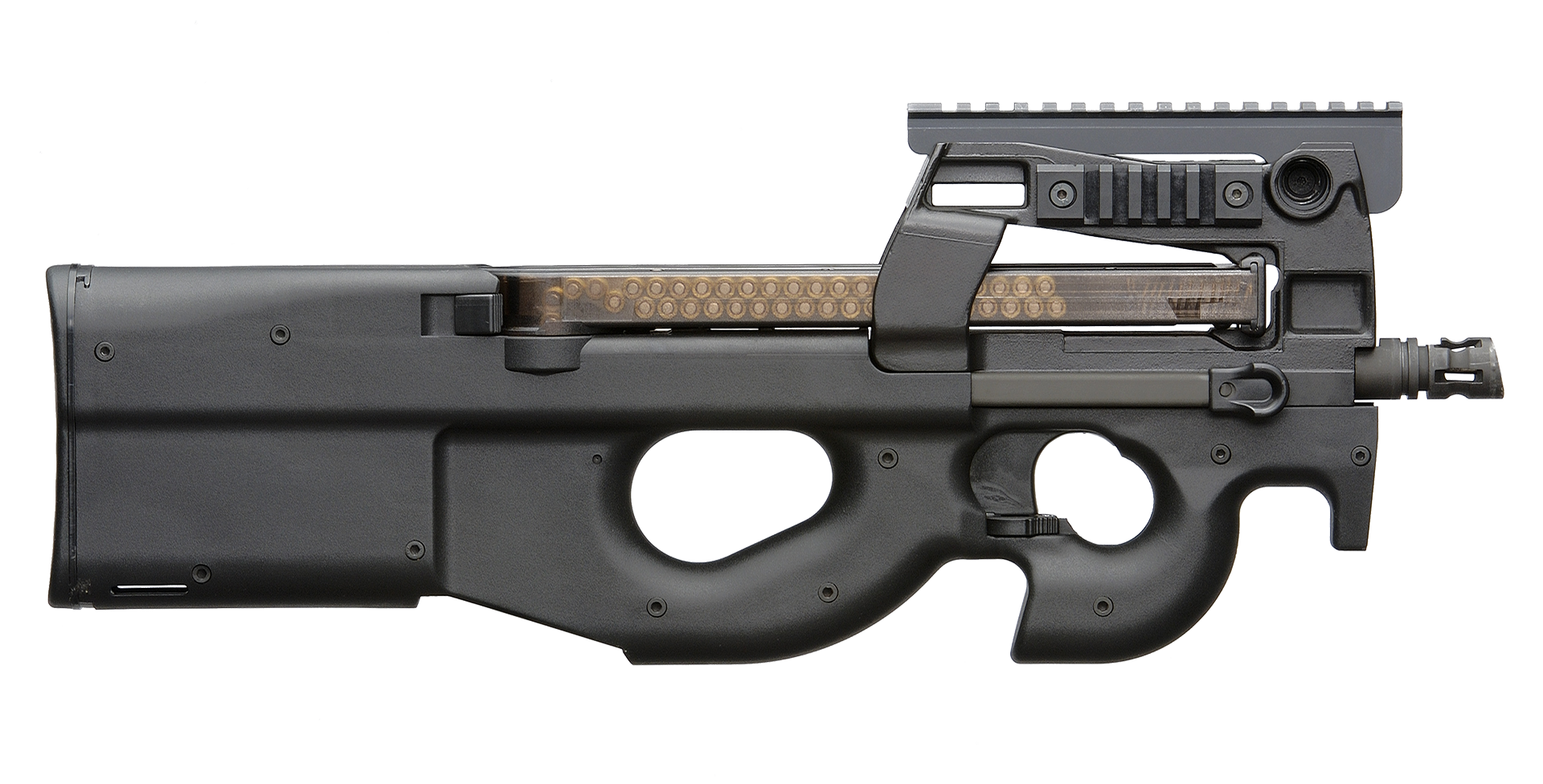
Photo source: static.wikia.nocookie.net
PPD-40
PPD-40 submachine gun in .40 S&W: specs, history, ammo and Colorado legal notes from the CO Boots gun library. Want hands-on time with a firearm like the PPD-40? Our certified instructors cover safe handling, operation and marksmanship in every firearms training class.
| Library ID | GT-705 |
|---|---|
| Manufacturer | Krupp. |
| Type | Submachine Gun |
| Caliber | .40 S&W |
| Action | Semi-automatic |
| Barrel Length | The barrel length of the PPD-40 is 230 mm. |
| Country of Origin | United States |
| Year of Production | 1940 |
| Production Status | Discontinued |
| Typical Users | Military, Law Enforcement, Civilians |
| Rating | 4.2 |
PPD-40: Technical Specifications
The PPD-40, a Soviet submachine gun designed in the late 1930s, is chambered for the 7.62×25mm Tokarev cartridge. It features a barrel length of approximately 270 mm (10.6 inches), contributing to its effective range and accuracy. Weighing around 3.5 kg (7.7 lbs) when unloaded, it is relatively lightweight for a submachine gun.
Constructed primarily from steel, the PPD-40 incorporates a wooden stock and grip, enhancing durability and user comfort. A distinctive aspect of its design is the use of a closed-bolt firing mechanism, which improves accuracy compared to open-bolt systems. The PPD-40 has a 71-round drum magazine, allowing for sustained fire without frequent reloading.
The firearm is known for its high rate of fire, around 800 rounds per minute, and features a muzzle compensator to reduce recoil. Its design laid the groundwork for future Soviet submachine guns, showcasing innovative engineering of its time.
PPD-40: Performance Characteristics
The PPD-40, a Soviet submachine gun developed in the late 1930s, is known for its solid performance characteristics. Accuracy is commendable for a submachine gun, with effective range up to 200 meters, thanks to its fixed sights and 7.62x25mm Tokarev cartridge, which offers high velocity and flat trajectory.
Reliability is a hallmark, with a simple blowback design that functions well in various conditions, although it can be sensitive to ammunition quality. Handling is user-friendly; it features a wooden stock and ergonomic controls, allowing for stable shooting and maneuverability in close quarters.
The rate of fire is around 800 rounds per minute, providing a high volume of fire, but can lead to muzzle climb if not managed. Other metrics include a magazine capacity of 71 rounds, contributing to sustained fire without frequent reloads. Overall, the PPD-40 excels in urban warfare, balancing firepower, precision, and reliability effectively.
PPD-40: Design Features
The PPD-40, a Soviet submachine gun developed in the late 1930s, features a distinctive design characterized by its compactness and robustness. Ergonomically, it has a wooden stock and grip, providing a comfortable hold and aiding stability during rapid fire. The design incorporates a side-folding stock, enhancing portability.
Safety mechanisms include a manual safety lever that prevents accidental discharge, an essential feature for a military firearm. Aesthetically, the PPD-40 presents a utilitarian look with its simple lines and functional design, reflecting the industrial style of its era.
Innovative features include its use of a blowback operating system and a high-capacity detachable magazine, accommodating 71 rounds, which was advanced for its time. The weapon's overall weight and balance enable effective control, making it suitable for close-quarters combat. The PPD-40's durability and reliability in harsh conditions further solidify its significance in the evolution of submachine guns.
PPD-40: Historical Context
The PPD-40, developed in the late 1930s by Soviet designer Vasily Degtyaryov, was a submachine gun intended for the Red Army. Its design was influenced by earlier models like the PPD-34/38, which incorporated a blowback operation and a distinctive wooden stock. The PPD-40 featured a 71-round drum magazine and fired the 7.62x25mm Tokarev cartridge, offering a high rate of fire.
Key milestones include its adoption in 1940 and extensive use during World War II, where it was utilized by Soviet troops in various battles, including Stalingrad and Kursk. The PPD-40’s effectiveness in close-quarters combat led to its reputation as a reliable weapon.
While eventually overshadowed by the more widely produced PPSH-41, the PPD-40 influenced submachine gun design, particularly in terms of magazine capacity and compactness. Its legacy continues in modern submachine guns, reflecting the evolution of automatic firearm design in the 20th century.
PPD-40: User Experience
The PPD-40 is generally praised for its comfortable grip and ergonomic design, making it suitable for extended use. Users appreciate its moderate weight, which balances well for both novice and experienced shooters. The controls are intuitive, contributing to ease of use, with many noting the smooth action of the slide and trigger.
Durability is often highlighted, as the PPD-40 is built with quality materials that withstand regular use. Many users report reliability in various conditions, enhancing their confidence during handling.
Common complaints include occasional issues with magazine feeding, particularly with certain brands of ammunition. Some users also mention that the sights could be improved for better accuracy. Overall, the PPD-40 receives positive feedback for its comfort and reliability, though a few users wish for enhancements in sighting and magazine performance.
PPD-40: Ammunition Information
The PPD-40, a Soviet submachine gun designed in the early 1940s, primarily utilizes 7.62x25mm Tokarev ammunition. This caliber is notable for its high velocity and flat trajectory, making it effective for close to medium-range engagements. The PPD-40 is designed to accept standard 7.62x25mm Tokarev cartridges, which are widely available and produced by various manufacturers such as Fiocchi, Sellier & Bellot, and Wolf.
For optimal performance, it's recommended to use high-quality FMJ (Full Metal Jacket) rounds for reliability and consistent cycling, especially in military or training scenarios. Hollow point or soft point ammunition can be used for improved stopping power in self-defense situations. Users should avoid using reloaded or low-quality ammunition to prevent malfunctions. While the PPD-40 is compatible with standard Tokarev ammo, modifications or special adapters may be needed for use with certain brands or non-standard cartridges.
PPD-40: Usage Tips and Best Practices
PPD-40 Usage Tips and Best Practices
Cleaning & Maintenance:
1. Regular Cleaning: Clean after each use. Disassemble the firearm, using a cleaning rod and patches to remove fouling from the barrel and chamber.
2. Lubrication: Apply a light oil to moving parts, focusing on the slide and rails. Avoid over-lubrication which can attract dirt.
3. Inspect: Regularly check for signs of wear, especially on springs and the firing pin.
Shooting Tips:
1. Grip: Maintain a firm grip to manage recoil, aligning your sights before shooting.
2. Stance: Use a stable shooting stance (isoceles or Weaver) for better control.
3. Trigger Control: Practice smooth trigger pulls to avoid jerking, which can affect accuracy.
Common Mistakes to Avoid:
1. Neglecting Maintenance: Failing to clean regularly can lead to malfunctions.
2. Improper Grip: A loose hold can affect accuracy and increase the chance of jams.
3. Rushing Shots: Take your time to aim; haste can result in poor shooting performance.
Adhering to these practices will enhance your shooting experience and ensure the longevity of your PPD-40.
Legal Considerations in Colorado
The PPD-40, a Soviet submachine gun from World War II, is classified as a machine gun under U.S. federal law. As such, it is subject to the National Firearms Act (NFA) of 1934, requiring registration, a $200 tax stamp for transfer, and strict regulations on possession.
Civilian ownership is legal in states that allow NFA firearms, but many states have additional restrictions. States like California and New York have stringent laws that effectively prohibit civilian ownership of fully automatic weapons, including the PPD-40.
Military use is generally unrestricted, as military entities can acquire and utilize it under military regulations.
Notable legal cases involving NFA firearms include United States v. Miller (1939), which upheld restrictions on machine guns, influencing future case law on firearm regulations. As laws vary widely, individuals interested in owning a PPD-40 should consult local laws and legal experts for specific guidance.
PPD-40: Reviews and Ratings
User reviews for the PPD-40 firearm reveal a generally positive sentiment, with recurring themes focusing on reliability, accuracy, and customer service experiences. Many users praise the PPD-40 for its dependable performance, noting that it functions well with various ammunition types and rarely encounters jams. Accuracy is frequently highlighted, with shooters appreciating its precision at both short and medium ranges.
However, some reviews mention minor issues, such as the weight of the firearm and a stiff trigger pull, which can be challenging for new users. Customer service experiences vary; while some users report responsive and helpful support, others express frustration with delays in communication or parts availability. Overall satisfaction tends to be high, with many users recommending the PPD-40 for its value and performance, particularly for those seeking a reliable and accurate sidearm for both recreational shooting and self-defense.
PPD-40: Appearances in Media
The PPD-40, a Soviet submachine gun used during World War II, has appeared in various movies, TV shows, and video games. Here’s a brief list:
Movies:
1. Enemy at the Gates (2001) - Features the PPD-40 in scenes depicting Soviet soldiers during the Battle of Stalingrad.
2. Come and See (1985) - A powerful Soviet war film that includes the PPD-40 among the weapons used by partisans.
3. The Siege of Leningrad (2000) - A war film that showcases the PPD-40 in various combat scenes.
TV Shows:
1. The Pacific (2010) - While primarily focused on the Pacific Theater, some scenes depict Soviet weaponry including the PPD-40.
2. World on Fire (2019-present) - A series set during World War II that includes various historical weapons, including the PPD-40.
Video Games:
1. Call of Duty: World at War - Features the PPD-40 as a playable weapon in the campaign and multiplayer modes.
2. Battlefield V - Includes the PPD-40 as a weapon option for players in certain modes.
3. Red Orchestra 2: Heroes of Stalingrad - The game includes the PPD-40 as part of its weapon roster.
These appearances help highlight the historical context and usage of the PPD-40 during the war.
Related Firearms in the Library


More Submachine Gun firearmsMore .40 S&W caliber firearmsMore United States country firearmsBrowse all firearms