


Photo source: i.ytimg.com, collections.theautry.org, auctions.morphyauctions.com
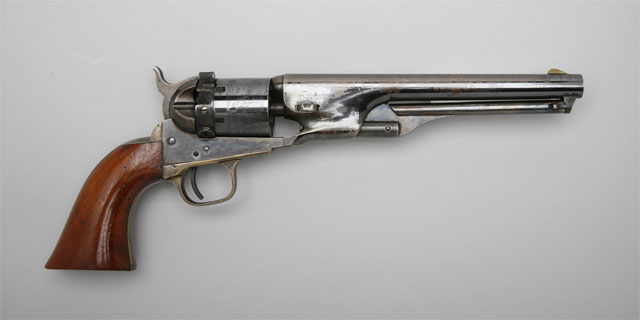
Colt Thuer Conversion
Colt Thuer Conversion revolver in .22 Short: specs, history, ammo and Colorado legal notes from the CO Boots gun library. Want hands-on time with a firearm like the Colt Thuer Conversion? Our certified instructors cover safe handling, operation and marksmanship in every firearms training class.
| Library ID | GT-123 |
|---|---|
| Manufacturer | Colt's Manufacturing Company |
| Type | Revolver |
| Caliber | .22 Short |
| Action | Single-action |
| Barrel Length | 7.5 inches |
| Country of Origin | United States |
| Year of Production | 1871 |
| Production Status | Discontinued |
| Typical Users | Civilians, Collectors |
| Rating | 4.2 |
Colt Thuer Conversion: Technical Specifications
The Colt Thuer Conversion, developed in the mid-19th century, is a significant firearm that transformed the Colt 1851 Navy revolver into a cartridge-firing weapon.
Caliber: It typically fired .38 rimfire cartridges, transitioning from the original cap-and-ball design.
Barrel Length: The barrel length of the Thuer Conversion is generally around 7.5 inches, similar to the original Navy model.
Weight: The revolver weighs approximately 2.5 pounds (around 1.1 kg), maintaining a balance suitable for its design.
Material: The frame and barrel are primarily made of steel, with brass components for the trigger guard and backstrap, characteristic of Colt's craftsmanship.
Unique Engineering Aspects: The Thuer Conversion features a unique hinged loading gate on the right side, allowing cartridges to be loaded directly into the cylinder. The conversion used a special cylinder with an integral recoil shield and a redesigned hammer to accommodate the new cartridge type, ensuring reliability and ease of use. This adaptation marked a significant evolution in revolver design
Colt Thuer Conversion: Performance Characteristics
The Colt Thuer Conversion, developed in the 1870s, is a notable adaptation of the Colt revolvers to fire metallic cartridges.
Accuracy: The Thuer Conversion features a rifled barrel designed for improved precision, making it capable of delivering respectable accuracy at typical engagement distances, typically 25 to 50 yards.
Reliability: As a conversion of the cap-and-ball Colt revolvers, the Thuer system exhibits good reliability when properly maintained. However, users may encounter issues with fouling and misfires if cleanliness is neglected.
Handling: Weighing in at around 2.5 pounds, the revolver offers a balanced feel for its size. The single-action mechanism requires a deliberate cocking motion, which can slow down follow-up shots but enhances control.
Rate of Fire: The manual operation limits the rate of fire, typically around 6 rounds per minute, contingent on the shooter's proficiency.
Other Metrics: The Thuer Conversion provides a solid historical value and unique shooting experience, though it lacks the modern refinements seen in contemporary fir
Colt Thuer Conversion: Design Features
The Colt Thuer Conversion, developed in the 1870s, is a notable revolver that transformed the Colt 1860 Army model by converting it from cap-and-ball to a cartridge system.
Ergonomics: The revolver typically features a smooth, rounded grip that provides comfort and control, allowing for effective handling. Its overall weight balances well for stability during firing.
Safety Mechanisms: The Thuer Conversion employs a half-cock safety notch, which prevents accidental discharge when the hammer is at half-cock, ensuring a safer carry method.
Aesthetic Design: The firearm showcases a classic 19th-century style with elegant lines, a blued finish, and brass or silver accents, reflecting the craftsmanship of the era. The cylinder often exhibits intricate engraving.
Innovative Features: The conversion introduced a more reliable and efficient loading mechanism, utilizing metallic cartridges, which improved firing consistency and safety compared to earlier models. The design represents a significant transition in firearm technology during its time.
Colt Thuer Conversion: Historical Context
The Colt Thuer Conversion, developed in the early 1870s, was a pivotal advancement in firearm technology, transitioning revolvers from cap-and-ball to metallic cartridges. Designed by Charles Thuer, it converted Colt's popular 1860 Army revolver into a breech-loading firearm, enhancing reliability and rate of fire.
Introduced in 1873, it marked a shift towards modern cartridge firearms, as it utilized a .44 caliber metallic cartridge. This conversion was particularly significant during the Indian Wars and the American Civil War, where rapid-fire capabilities were crucial.
The Thuer Conversion influenced later designs, paving the way for the widespread adoption of cartridge revolvers. Its impact on firearm design is evident in subsequent models, fostering innovations in reliability and ease of use—elements that remain foundational in modern firearms. The Colt Thuer Conversion thus represents a critical evolution in the history of revolvers, bridging the gap between 19th-century technology and the modern era of firearms.
Colt Thuer Conversion: User Experience
The Colt Thuer Conversion is recognized for its unique blend of historical significance and functionality. Users appreciate the comfort of its grip, which is shaped for ergonomic handling, allowing for extended shooting sessions without discomfort. The conversion system, which allows for the use of metallic cartridges instead of cap and ball, provides ease of use, making it simpler to load and fire compared to older models.
Durability is generally praised, with many users noting the robust construction that withstands regular use. However, some complaints arise regarding its weight, which can be cumbersome for prolonged carrying. Additionally, a few users report issues with the reliability of the firing mechanism, particularly with older models or those not well-maintained.
Overall, the Colt Thuer Conversion is celebrated for its innovative design and historical appeal, though potential buyers should consider its weight and ensure proper maintenance for optimal performance.
Colt Thuer Conversion: Ammunition Information
The Colt Thuer Conversion, introduced in the 1870s, was designed to adapt Colt's cap-and-ball revolvers to use metallic cartridges, specifically .44 caliber rimfire cartridges. The most common caliber for the Thuer Conversion is .44 Short Rimfire, which was designed for use in revolvers of the era.
This conversion allowed for the use of commercially available ammunition, enhancing reliability and ease of use compared to traditional black powder caps. The Thuer Conversion is compatible primarily with Colt revolvers, particularly the Model 1860 Army and Model 1851 Navy, but it can also work with other similar revolvers modified to accept .44 Short cartridges.
For optimal performance, it is recommended to use high-quality, modern reproductions of .44 Short Rimfire cartridges, as these provide better reliability and accuracy. It's important to ensure that any ammunition used is within the specifications for the Thuer Conversion to avoid potential damage or malfunctions.
Colt Thuer Conversion: Usage Tips and Best Practices
The Colt Thuer Conversion, a historic revolver, requires careful handling and maintenance.
Cleaning & Maintenance:
1. Disassembly: Follow the manual to safely disassemble the revolver for thorough cleaning.
2. Cleaning: Use a soft brush and patches with gun solvent to clean the barrel and cylinder. Avoid harsh chemicals that can damage finishes.
3. Lubrication: Apply a light coat of gun oil on moving parts and the cylinder pin to ensure smooth operation, avoiding excess oil that can attract dirt.
4. Inspection: Regularly check for wear on springs and the cylinder latch; replace any worn parts to maintain reliability.
Shooting Tips:
1. Grip: Maintain a firm grip to manage recoil effectively. Practice proper stance for stability.
2. Ammunition: Use only recommended loads; avoid excessive pressure loads that could damage the firearm.
3. Practice: Regularly practice to familiarize yourself with the trigger pull and sight alignment.
Common Mistakes:
1. Neglecting Maintenance: Failing to clean after shooting can lead to corrosion.
2. Using Incorrect Ammo: Ensure compatibility with the Th
Legal Considerations in Colorado
The Colt Thuer Conversion, a revolver modified to use metallic cartridges in the 19th century, is classified as a curio and relic under the National Firearms Act, allowing civilian ownership without special restrictions in most states. However, state laws vary significantly. For example, in California, antique firearms are generally exempt from many regulations, while in New York, an antique firearm may still require registration if used for certain purposes.
Military use of the Colt Thuer Conversion was limited, primarily due to its age and the evolution of firearms technology. Notable legal cases specifically involving the Colt Thuer Conversion are scarce, but general cases concerning antique firearms often address ownership rights and restrictions on sales. Collectors must ensure compliance with both federal and state laws, particularly regarding transfers and sales. Always check local laws for the most current regulations, as they can change frequently.
Colt Thuer Conversion: Reviews and Ratings
User reviews for the Colt Thuer Conversion generally reflect a mix of admiration and frustration. Many reviewers praise its historical significance and craftsmanship, noting its unique design and aesthetic appeal. However, reliability emerges as a common concern, with some users reporting issues such as misfires and inconsistent performance. Accuracy is often highlighted positively, with several users expressing satisfaction with its precision at the range, though others mention that it requires careful handling and maintenance to achieve optimal results.
Customer service experiences vary, with some users reporting prompt and helpful support, while others have faced delays or unresponsive representatives. Overall satisfaction is moderate; many enthusiasts appreciate the Colt Thuer Conversion for its collectible value and vintage charm, but they also caution potential buyers about the reliability concerns and the need for regular upkeep.
Colt Thuer Conversion: Appearances in Media
The Colt Thuer Conversion, a revolver model from the 19th century, has appeared in various media, including movies, TV shows, and video games. Here’s a brief list:
Movies:
1. The Good, the Bad and the Ugly (1966) - Features period firearms, including variations of Colt revolvers.
2. The Outlaw Josey Wales (1976) - Features historical revolvers, which may include models similar to the Thuer Conversion.
TV Shows:
1. Deadwood (2004-2007) - This series is known for its accurate depiction of firearms from the Old West, including various Colt models.
2. Hell on Wheels (2011-2016) - Another Western series that showcases historical firearms.
Video Games:
1. Red Dead Redemption (2010) - Although the specific model may not be explicitly named, the game features various revolvers inspired by historical models.
2. Call of Juarez: Gunslinger (2013) - Features a variety of Old West firearms, including revolvers reminiscent of the Colt Thuer Conversion.
These appearances often reflect the historical context in which the Colt Thuer Conversion was used, enhancing the authenticity of the setting.
Related Firearms in the Library


More Revolver firearmsMore Colt manufacturer firearmsMore United States country firearmsBrowse all firearms